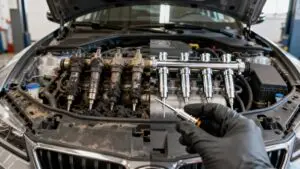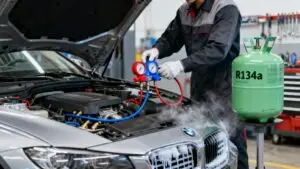




Preventive vehicle maintenance is the routine care and service performed on your car to keep it running efficiently and avoid unexpected failures. Also called scheduled or proactive maintenance, it covers everything from oil changes and tire rotations to brake inspections and fluid checks. The goal is simple: address small issues before they become expensive problems. Consumer Reports puts it plainly: consistent maintenance habits are the difference between a car that reaches 200,000 miles and one that leaves you stranded. Car repair costs rose 44% between 2019 and 2025, making proactive care more financially critical than ever.
What is preventive vehicle maintenance and why does it matter?
Preventive vehicle maintenance is defined as any scheduled service performed before a problem occurs, not after. It follows a manufacturer-set schedule based on mileage, time, or both. Think of it like a physical exam for your car. You go when you’re healthy so your doctor can catch anything early, not only when something hurts.
The core areas covered include engine oil, tires, brakes, fluids, filters, and belts. Each of these systems degrades at a predictable rate. Catching wear early costs far less than replacing a failed component. A routine oil change, for example, costs a fraction of what an engine replacement runs after oil starvation causes internal damage.

The importance of vehicle maintenance goes beyond cost. Worn brakes, low tire pressure, and degraded fluids all create real safety risks on the road. Proper tire inflation can improve fuel economy by up to 6% and extend tire life by about 4,700 miles. That single habit saves money at the pump and reduces blowout risk at highway speeds.
What maintenance tasks should every car owner perform?
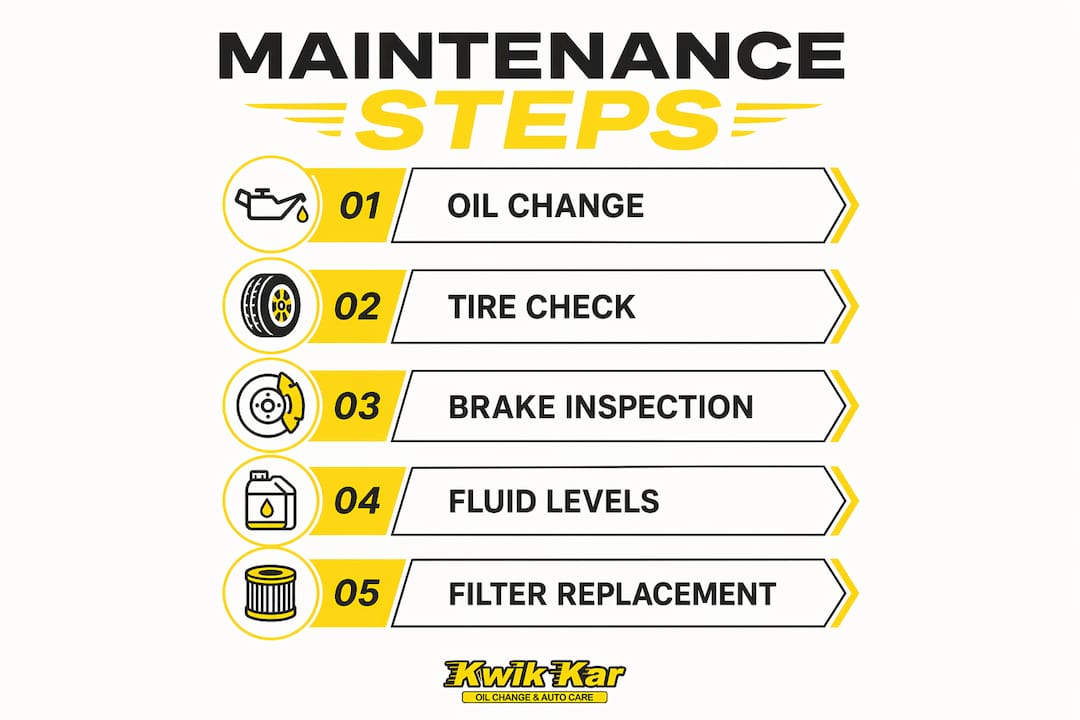
A solid vehicle maintenance checklist covers both time-based and mileage-based services. Here are the tasks every car owner should know:
- Oil and filter changes: Engine oil lubricates moving parts and carries away heat. Dirty oil thickens and loses its protective properties. Change it on the interval listed in your owner’s manual, typically every 5,000–7,500 miles for conventional oil or longer for full synthetic.
- Tire pressure checks: Check tire pressure monthly and before long trips. Underinflated tires wear unevenly, reduce fuel efficiency, and increase stopping distance.
- Tire rotation: Rotate tires every 5,000–7,500 miles to even out wear across all four tires and extend their usable life.
- Brake inspection: Have brakes inspected at least once a year. Squealing, grinding, or a soft pedal are signs that pads or rotors need attention now.
- Air filter replacement: A clogged engine air filter restricts airflow and reduces fuel efficiency. Most manufacturers recommend replacement every 15,000–30,000 miles.
- Fluid level checks: Coolant, brake fluid, power steering fluid, and transmission fluid all need regular monitoring. Low or degraded fluid leads to component failure.
- Battery inspection: Terminals corrode and batteries lose capacity over time. Have yours tested annually, especially before winter.
Pro Tip: Before agreeing to any shop-recommended service, cross-check it with your owner’s manual. Many fluid flushes and package services sold at shops are not required by manufacturers. Paying for services your car does not need wastes money without adding protection.
You can download a car maintenance checklist PDF to track these tasks by date and mileage. Keeping a written record also helps when you sell the vehicle, since documented service history adds real resale value.
How does preventive maintenance save money and improve safety?
The financial case for preventive car maintenance is straightforward. Drivers who follow routine maintenance spend around $900 annually and avoid expensive unplanned repairs. Skipping that routine care does not save money. It defers costs and multiplies them.
“It is either pay now or pay more later.” — Consumer Reports
The table below shows how preventive tasks compare to the repairs they prevent:
| Preventive task | Typical cost | Repair it prevents | Repair cost |
|---|---|---|---|
| Oil change | $50–$100 | Engine replacement | $4,000–$10,000 |
| Tire rotation | $20–$50 | Premature tire replacement | $400–$1,200 |
| Brake inspection | $0–$50 | Rotor and caliper replacement | $500–$1,500 |
| Coolant flush | $80–$150 | Overheated engine or head gasket | $1,500–$4,000 |
| Air filter replacement | $20–$40 | Reduced fuel economy over time | Ongoing fuel waste |
The safety benefits are equally concrete. Worn brake pads increase stopping distance. Low tire pressure reduces traction in wet conditions. Degraded coolant causes overheating, which can leave you stranded on a highway. Routine maintenance prevents these failures before they put you or others at risk.
Ignoring minor warning signs, such as unusual noises, odd smells, or small fluid leaks, frequently precedes major mechanical failures. A small oil leak caught early is a gasket repair. Left alone, it becomes an engine rebuild.
What special conditions require adjusting your maintenance schedule?
Not every driver follows the same maintenance interval. Your driving conditions directly affect how fast your vehicle wears. Severe driving conditions require shorter service intervals and include:
- Frequent short trips under 5 miles, which prevent the engine from reaching full operating temperature
- Stop-and-go city traffic, which puts constant stress on brakes, transmission, and cooling systems
- Towing or hauling heavy loads regularly
- Driving in extreme heat, like Fort Worth summers, or extreme cold
- Operating on dusty or unpaved roads
Many car owners assume the standard mileage interval applies to them. If your driving fits any of the conditions above, your car is working harder than average and needs more frequent service.
Time matters as much as mileage. Fluids degrade over time even when a car sits in the garage. Brake fluid absorbs moisture and loses its boiling point. Coolant becomes acidic and corrodes metal. Tires should be inspected for replacement after 6 years regardless of tread depth, because rubber hardens and cracks with age.
Electric vehicle owners are not exempt from preventive care. EVs still require regular inspections of suspension, powertrain, cooling, and brake systems. The absence of oil changes does not mean the absence of maintenance. Brake fluid, cabin air filters, and tire rotation all apply to EVs on the same general schedule as gas-powered vehicles.
Pro Tip: Your manufacturer’s maintenance schedule includes a “severe service” section that most owners never read. Check it. If your driving matches those conditions, follow that tighter schedule instead of the standard one. Your auto service intervals should reflect how you actually drive, not how the average driver does.
How to build a preventive maintenance schedule that fits your life
A maintenance schedule only works if you actually follow it. Here is a practical way to set one up and stick to it:
- Pull out your owner’s manual. Find the maintenance schedule section. It lists every service by mileage and time interval. This is your baseline. Everything else is secondary.
- Note your current mileage and last service dates. Write down when you last changed your oil, rotated your tires, and replaced your air filter. Gaps become obvious fast.
- Set calendar reminders. Use your phone to set alerts for upcoming services. A reminder 500 miles before an oil change due date gives you time to schedule without rushing.
- Use a vehicle service reminder system. Many shops and apps track your service history and send alerts automatically. This removes the mental load of remembering intervals.
- Budget monthly, not per visit. Divide your estimated annual maintenance cost by 12 and set that amount aside each month. When a service comes due, the money is already there.
- Avoid over-servicing. Changing oil more often than needed wastes money without adding protection. Stick to the manufacturer’s interval unless your driving qualifies as severe service.
Busy car owners often skip maintenance because scheduling feels like one more task. Time-saving car care tips like combining services, such as an oil change and tire rotation in one visit, cut the number of trips you need to make each year. A budget-friendly car care checklist can also help you prioritize which services to handle first when money is tight.
Key Takeaways
Preventive vehicle maintenance is the most cost-effective way to extend your car’s life, protect your safety, and avoid the financial shock of major repairs.
| Point | Details |
|---|---|
| Definition of preventive maintenance | Scheduled service performed before problems occur, based on mileage and time intervals. |
| Core financial benefit | Routine maintenance costs around $900 per year and prevents repairs that can cost thousands. |
| Safety impact | Maintaining brakes, tires, and fluids directly reduces accident risk and roadside breakdowns. |
| Driving conditions matter | Severe conditions like short trips, towing, and extreme heat require shorter service intervals. |
| Time-based service is real | Fluids degrade and rubber ages regardless of mileage. Calendar-based service is not optional. |
What I’ve learned after years of seeing what skipped maintenance actually costs
At Kwik Kar Oil Change & Auto Care, we see the same pattern repeat itself. A car owner skips a few oil changes to save money. Six months later, they’re looking at sludge buildup and a bill that dwarfs what those oil changes would have cost combined. The math never works in favor of skipping.
The misconception I hear most often is that newer cars need less maintenance. That is not accurate. New cars still need maintenance from day one. Modern engines run tighter tolerances, which actually makes clean oil and proper fluid levels more critical, not less.
The other thing I want car owners to understand: not every service a shop recommends is one your car actually needs. Always cross-check with your owner’s manual. A trustworthy shop will welcome that question. One that pushes back on it is telling you something important about how they operate.
The habit that makes the biggest difference is treating maintenance like a bill, not a surprise. Schedule it, budget for it, and show up before the warning light comes on. Waiting for the light means the problem has already started.
— Kwik Kar
Preventive care you can count on at Kwik Kar Oil Change & Auto Care
Kwik Kar Oil Change & Auto Care serves Fort Worth drivers with transparent pricing, certified technicians, and a full range of preventive services including oil changes, tire rotations, brake inspections, and fluid checks. Every recommendation we make is grounded in your manufacturer’s schedule, not upsell pressure.
If cost is a concern, Kwik Kar offers auto repair financing options that make it easier to stay on schedule without straining your budget. You can also review our affordable maintenance services list to see exactly what each service covers and what it costs. Protecting your vehicle does not have to wait for the perfect financial moment. Schedule your next service with Kwik Kar and keep your car running the way it should.
FAQ
What is preventive vehicle maintenance in simple terms?
Preventive vehicle maintenance is scheduled service performed on your car before problems develop, including oil changes, tire rotations, brake inspections, and fluid checks. The goal is to catch wear early and avoid costly repairs.
How often should I perform preventive maintenance on my car?
Service intervals vary by vehicle and driving conditions, but most manufacturers recommend an oil change every 5,000–7,500 miles and a full inspection at least once a year. Check your owner’s manual for your specific schedule.
Does preventive maintenance really save money?
Drivers who follow routine maintenance spend around $900 annually and avoid major unplanned repairs. Skipping routine care defers costs and typically multiplies them when a larger failure occurs.
Do electric vehicles need preventive maintenance?
Yes. EVs require regular inspections of suspension, brakes, cooling systems, and powertrain components even without oil changes. Tire rotation and brake fluid replacement still apply on standard intervals.
What happens if I only fix my car when something breaks?
Reactive repairs cost significantly more than preventive ones. Waiting for warning lights often means the damage has already progressed, turning a minor adjustment into a major repair.