


A budget friendly car care checklist is a curated set of affordable, practical maintenance steps that keeps your vehicle running reliably without draining your wallet. Routine upkeep is the single most effective way to avoid expensive repairs, and the numbers prove it. DIY maintenance saves $500 to $1,000 annually compared to relying entirely on professional services. The tasks on this checklist require no advanced mechanical training. With the right tools, a copy of your owner’s manual, and a free afternoon, you can handle the majority of scheduled vehicle maintenance yourself. This guide covers the tools you need, the tasks that deliver the most savings, and the smart habits that protect your car long-term.
1. Build your budget friendly car care checklist with the right tools
The right tools are the foundation of any cost-effective auto maintenance plan. Basic tools under $100 cover up to 90% of beginner-level car maintenance jobs and pay for themselves after just one or two DIY services. That is a return on investment most savings accounts cannot match.
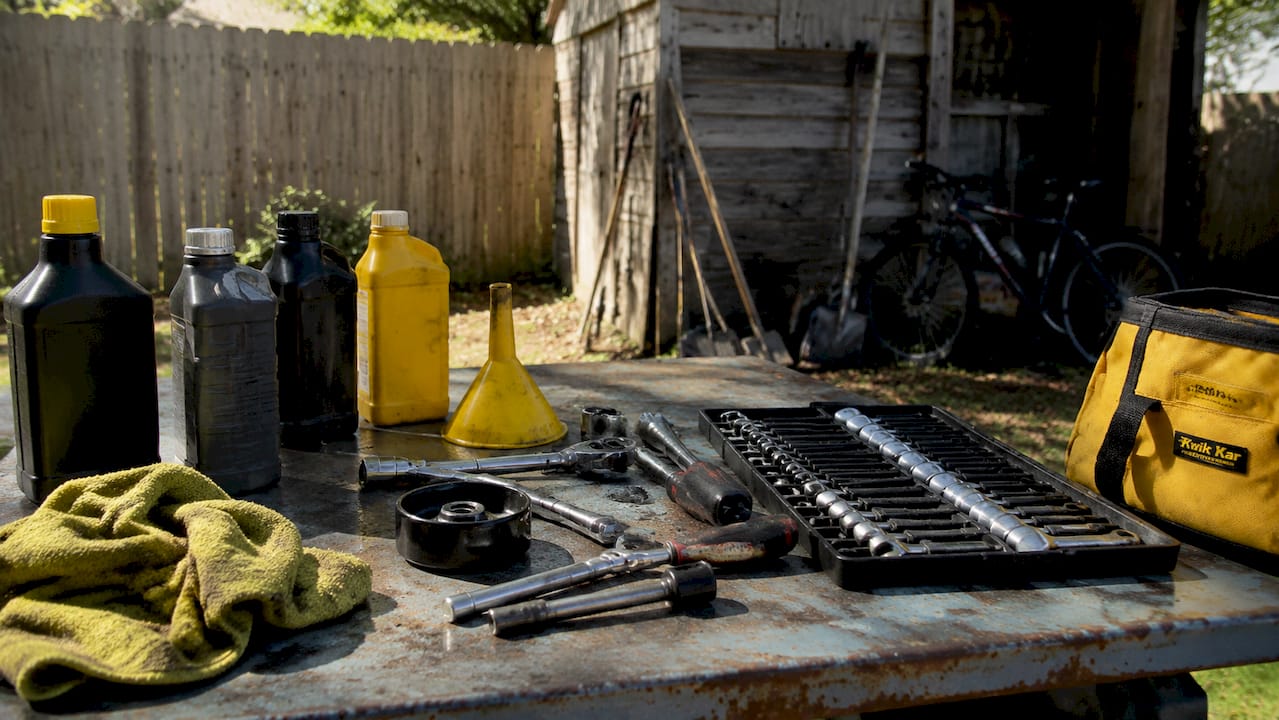
Here is what your starter kit should include:
- Socket set: A Craftsman 102-piece set covers nearly every fastener on a passenger vehicle and costs around $60 to $80 at Lowe’s or Home Depot.
- Torque wrench: Prevents over-tightening on oil drain plugs, lug nuts, and spark plugs. A 3/8-inch drive model from Tekton or Pittsburgh runs $25 to $40.
- Jack stands: A pair rated for your vehicle’s weight is non-negotiable for any under-car work. Torin Big Red stands are a reliable budget pick under $30.
- Oil drain pan: A 15-quart drain pan from Lumax or FloTool costs under $15 and handles every oil change you will ever do.
- OBD-II scanner: An inexpensive OBD-II scanner costing around $60 lets you read check-engine codes yourself, saving $100 to $200 in diagnostic fees per visit. Many fault codes turn out to be simple fixes like a loose gas cap.
Pro Tip: Buy tools from Harbor Freight, Walmart, or Amazon Basics for everyday jobs. Save premium brands like Snap-on or Wera for tools you use constantly, like a ratchet or screwdriver set. The savings on a single oil change cover most of your starter kit.
For readers just getting started, the car maintenance for beginners guide from Kwik Kar Oil Change & Auto Care walks through exactly which tools to buy first and why.
2. Prioritize these simple tasks on your vehicle maintenance checklist
Simple maintenance tasks deliver the highest return on your time and money. These jobs require no special skills, take under 30 minutes each, and prevent failures that cost hundreds of dollars to fix.
- Replace cabin and engine air filters. DIY cabin air filter replacement costs $12 to $28 versus $80 to $120 at a dealership, and the job takes under 10 minutes. Engine air filters are equally straightforward. Both filters directly affect fuel efficiency and air quality inside the cabin.
- Swap windshield wiper blades. Worn blades reduce visibility in rain and cost you nothing to replace yourself. Bosch ICON and Rain-X Latitude are two reliable brands available at AutoZone or O’Reilly Auto Parts for $15 to $30 per blade. Follow a step-by-step wiper blade installation guide to avoid snapping the arm.
- Clean battery terminals. Corrosion on battery terminals causes hard starts and premature battery failure. A wire brush, baking soda, and water remove buildup in five minutes. This prevents a $150 to $200 battery replacement call you did not need.
- Inspect belts and hoses. A cracked serpentine belt or a soft, spongy coolant hose costs $20 to $50 to replace yourself. Left unchecked, either one can strand you on the side of the road with a repair bill over $300.
- Check all fluid levels monthly. Engine oil, coolant, brake fluid, power steering fluid, and windshield washer fluid each take 60 seconds to check. Low brake fluid is a safety issue. Low coolant causes overheating. Neither problem announces itself until it is expensive.
Pro Tip: Set a recurring phone reminder on the first of each month to run through your fluid checks. It takes five minutes and catches problems before they compound.
3. How to safely perform DIY oil changes and brake pad replacement
Oil changes and brake pad replacements represent the two highest-value DIY jobs on any low-cost vehicle care plan. Together, they account for a large portion of the annual savings gap between DIY and shop-dependent owners.
DIY synthetic oil change: what you need
- Correct grade of synthetic oil (check your owner’s manual, not the sticker on the windshield)
- New oil filter compatible with your vehicle (Fram, Mobil 1, or Purolator are proven options)
- Oil drain pan, socket set, and torque wrench
- Funnel and clean rags
DIY synthetic oil changes cost $30 to $45 in parts versus $80 to $120 at a shop, saving $50 to $150 per service. Labor costs make up 60% or more of traditional repair bills, so removing that variable adds up fast. A full step-by-step walkthrough is available in the DIY oil change guide from Kwik Kar Oil Change & Auto Care.
Brake pad replacement: the basics
Replacing brake pads and rotors yourself saves $150 to $300 per axle. You need jack stands, a torque wrench, a C-clamp or brake piston tool, and a basic socket set. Work on one side at a time so you always have the other side as a reference. Torque every bolt to the manufacturer’s specification.
Safety first: Never compress brake fluid back into the reservoir without checking the master cylinder level first. Overfilling causes brake fluid to overflow and damage paint. If your brake pedal feels soft or spongy after replacement, do not drive the vehicle. Bleed the brakes or take it to a certified technician immediately.
Choosing quality parts and following manufacturer guidelines are the two factors that separate a successful DIY job from an expensive mistake. Avoid bargain-bin brake pads from unknown brands. Akebono, Wagner, and Bosch QuietCast are reliable mid-range options available at most auto parts stores.
4. Smart strategies to optimize your budget car upkeep over time
One-time DIY tasks save money. Consistent habits and smart decision-making save thousands over the life of your vehicle. These strategies turn a checklist into a long-term system.
- Keep a maintenance log. Record every service, part number, mileage, and cost in a notebook or a free app like Fuelly or Car Minder. This log prevents duplicate services, helps you spot patterns, and adds resale value to your vehicle.
- Use your owner’s manual as the primary guide. Following the owner’s manual scheduled maintenance intervals is the most effective way to extend vehicle life and avoid paying for services you do not need. Many shops upsell more frequent oil changes or transmission flushes that your manual does not require.
- Buy parts online. RockAuto, Amazon, and eBay Motors consistently price parts 20% to 40% below retail auto parts stores. Order ahead of your scheduled maintenance window so you are not paying rush prices.
- Build a relationship with one trusted mechanic. A reliable local mechanic provides better consistent care and cost oversight than rotating between quick-lube shops chasing discounts. Quick-lube chains sometimes recommend unnecessary add-on services and use lower-quality parts. One mechanic who knows your car’s history is worth more than a coupon.
- Use your OBD-II scanner before every shop visit. Read the codes yourself first. You will know exactly what the problem is before a technician quotes you a diagnosis fee.
Pro Tip: Many vehicles do not qualify for the “severe duty” maintenance schedule unless you regularly tow heavy loads, drive in extreme heat, or make constant short trips under five miles. Check your manual before agreeing to any accelerated service interval a shop recommends.
| Strategy | Annual savings potential |
|---|---|
| DIY oil changes (3x per year) | $150 to $450 |
| DIY cabin and engine air filters | $130 to $180 |
| OBD-II scanner (avoids 2 diagnostic fees) | $200 to $400 |
| Buying parts online vs. retail | $50 to $150 |
| Avoiding unnecessary upsells | $100 to $300 |
For a complete list of services worth doing yourself versus outsourcing, the affordable maintenance services list from Kwik Kar Oil Change & Auto Care breaks it down by cost and complexity.
Key takeaways
A consistent budget friendly car care checklist, built around DIY tasks and smart purchasing habits, saves the average car owner $500 to $1,000 per year while extending vehicle life.
| Point | Details |
|---|---|
| Start with the right tools | A $100 starter kit covers 90% of beginner jobs and pays for itself after one oil change. |
| Prioritize simple tasks first | Air filters, wiper blades, and fluid checks deliver immediate savings with zero mechanical experience required. |
| DIY oil changes and brakes | These two jobs alone save $200 to $450 per year in labor costs. |
| Follow your owner’s manual | Manufacturer intervals prevent unnecessary services that shops routinely upsell. |
| Use an OBD-II scanner | A $60 scanner eliminates $100 to $200 diagnostic fees and gives you negotiating power at the shop. |
What years of watching car owners spend money taught us
At Kwik Kar Oil Change & Auto Care, we see the same pattern repeatedly. A customer comes in after paying $400 at a quick-lube chain for services their vehicle did not need. The cabin air filter was replaced at 8,000 miles when the manual calls for 15,000. The transmission fluid was flushed on a car with 30,000 miles and no towing history. These are not edge cases. They happen every week.
The honest truth is that most car owners are one owner’s manual read away from saving hundreds of dollars a year. The manual tells you exactly what your car needs and when. It is the most underused tool in any vehicle maintenance plan.
We also see the other side. Customers who do their own oil changes, check their fluids monthly, and come to us only for the jobs that genuinely require a lift or specialized equipment. Those customers spend less, their cars last longer, and they never get surprised by a repair bill they did not see coming. That confidence comes from starting small. Replace a cabin air filter once. Change your wiper blades. Check your battery terminals. Each small win builds the skill and judgment to take on bigger jobs.
The time-saving car care tips we share with customers consistently show that 20 minutes of monthly attention prevents 80% of the avoidable breakdowns we see. That ratio holds up year after year.
— Kwik Kar
Get the most from your maintenance plan with Kwik Kar
Kwik Kar Oil Change & Auto Care supports both DIY car owners and those who prefer professional service. For jobs that go beyond your comfort level, our RepairPal-certified technicians in Fort Worth handle everything from oil changes to brake replacements with transparent pricing and no upsell pressure. Start with our oil change and tire rotation guide to see exactly what a professional service covers and what it costs. You can also download a car maintenance checklist to track every service interval in one place. When you need a professional, our team is ready. When you want to do it yourself, we have the resources to help you do it right.
FAQ
How much can I save with a DIY car care checklist?
Most car owners save $500 to $1,000 per year by handling basic maintenance themselves instead of paying shop labor rates for every service.
What is the first task to add to a budget car upkeep plan?
Start with a DIY oil change. It saves $50 to $150 per service and teaches you the fundamentals of working under your vehicle safely.
Do I need mechanical experience to follow a vehicle maintenance checklist?
No. Tasks like replacing air filters, checking fluids, and swapping wiper blades require no prior experience and take under 30 minutes each.
How often should I check my car’s fluid levels?
Check engine oil, coolant, brake fluid, and windshield washer fluid once a month. Low brake fluid is a safety issue that requires immediate attention.
When should I stop doing DIY and call a certified mechanic?
Stop DIY work when a brake pedal feels soft after pad replacement, when warning lights return after clearing codes, or when a job requires specialized equipment like an alignment rack or transmission lift.