



Preventive auto maintenance is the single most effective strategy to avoid expensive vehicle repairs and keep your car running reliably for years. The average U.S. passenger vehicle is now 12.6 years old, which means more cars on the road are operating closer to the edge of major component failure. This prevent costly auto repairs guide covers the exact tasks, warning signs, and habits that separate car owners who spend hundreds from those who spend thousands. Whether you drive a daily commuter or a weekend vehicle, the strategies here apply directly to your situation.
Which routine maintenance tasks prevent costly auto repairs?
Routine preventive maintenance is defined as the scheduled care your vehicle needs to avoid breakdowns before they happen. Staying on top of maintenance and addressing small issues early is the single most effective way to avoid costly repairs, according to Consumer Reports’ chief mechanic. The tasks below form the foundation of any solid auto maintenance plan.
Oil changes: the non-negotiable starting point
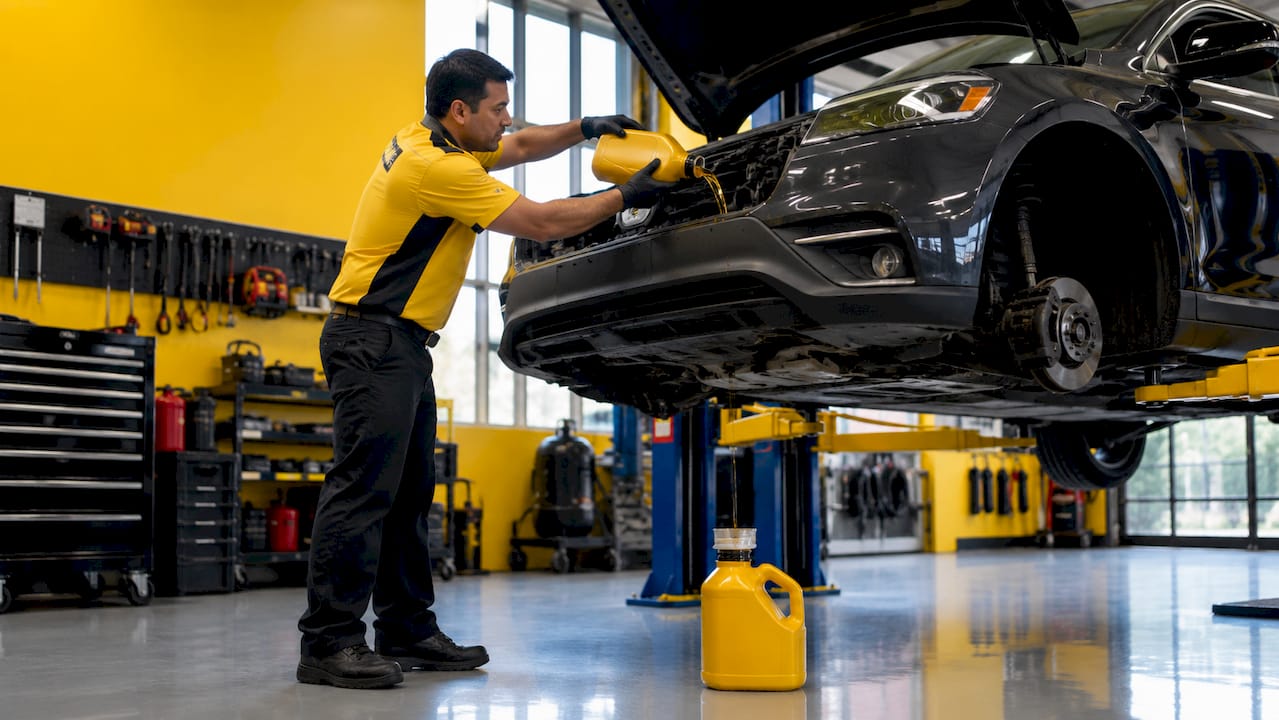
Fresh engine oil lubricates hundreds of moving parts and prevents metal-on-metal wear that can destroy an engine over time. Follow the interval listed in your owner’s manual, which for most modern vehicles falls between 5,000 and 10,000 miles depending on oil type and driving conditions. Skipping oil changes is like ignoring a slow leak in a dam. The damage is invisible until it is catastrophic.
Tire maintenance and brake inspections
Tires and brakes are your vehicle’s primary safety systems, and both degrade silently until they fail at the worst moment.
- Tire rotation: Rotate tires every 5,000 to 7,500 miles to distribute wear evenly across all four tires, extending their usable life significantly.
- Tire pressure: Check pressure monthly. Under-inflated tires increase fuel consumption and accelerate tread wear on the outer edges.
- Tread depth: Use the penny test. Insert a penny into the tread groove with Lincoln’s head pointing down. If you see the top of his head, the tire needs replacing.
- Brake pads and rotors: Brake replacements cost between $250 and $800 per axle. Catching worn pads early, before they score the rotors, keeps you at the lower end of that range.
- Brake fluid: Flush every two years or per manufacturer guidance. Moisture-contaminated brake fluid reduces stopping power and corrodes internal components.
Fluid maintenance beyond oil
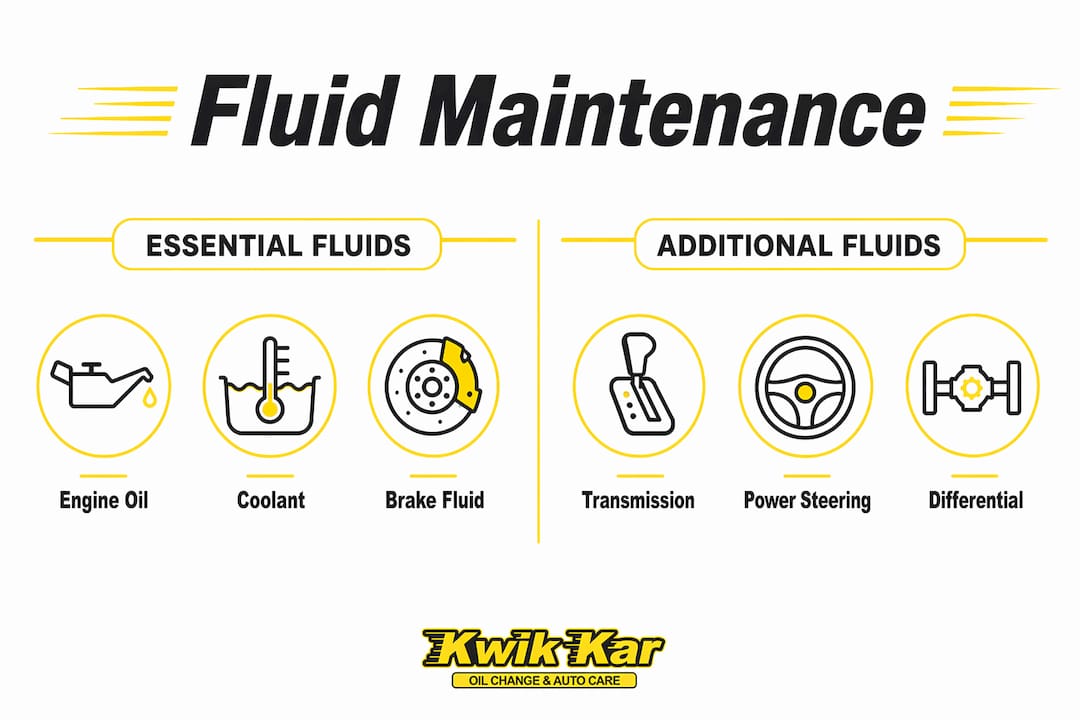
Coolant, transmission fluid, differential fluid, and power steering fluid each protect specific systems. Neglecting any one of them can produce repair bills that dwarf the cost of a simple fluid service. Coolant prevents overheating and corrosion inside the engine block. Transmission fluid keeps gear shifts smooth and prevents the kind of internal damage that makes a transmission feel like you are driving over rumble strips.
Pro Tip: Follow your owner’s manual fluid specifications exactly. Using non-mandated synthetic fluids often results in overpaying without any added protection for your specific vehicle.
How can you identify early warning signs to avoid expensive repairs?
Early diagnosis is where most car owners save the most money. A $50 inspection today can prevent a $2,000 repair next month. Your vehicle communicates problems through lights, sounds, smells, and changes in how it drives. Learning to read those signals is a core part of any essential car care guide.
Watch for these warning signs and act on them promptly:
- Dashboard warning lights: The check engine light, oil pressure light, and temperature gauge are not suggestions. Each signals a specific system under stress. A check engine light tied to a loose gas cap costs nothing to fix. The same light tied to a failing catalytic converter costs significantly more if ignored.
- Grinding or squealing brakes: Squealing typically means brake pads are worn to their wear indicators. Grinding means metal is already contacting metal, which damages rotors and raises repair costs immediately.
- Rattling or knocking sounds: A rattle under the car often points to a loose heat shield or exhaust component. A knock from the engine, especially on acceleration, can signal low oil pressure or worn rod bearings.
- Fluid leaks: Any puddle under your parked car deserves attention. Brown or black fluid is oil. Bright green or orange fluid is coolant. Pink or red fluid is transmission fluid. Each leak points to a specific system that needs service.
- Performance changes: Hesitation during acceleration, rough idling, or a transmission that feels like the engine is working harder than the car is moving all indicate systems that need professional diagnosis before they worsen.
Proactive attention to minor issues prevents major component failures and the repair bills that follow. Schedule a professional inspection at the first sign of any symptom above.
DIY maintenance vs. professional service: how to balance both
Knowing what you can handle at home versus what requires a certified technician is one of the most practical cost-saving vehicle upkeep skills you can develop. The goal is not to do everything yourself. The goal is to avoid paying a shop for tasks that take five minutes in your driveway.
Here is a clear breakdown of how to divide your maintenance responsibilities:
- Check tire pressure monthly. A quality tire gauge costs under $15 and takes two minutes per tire. Simple DIY tasks like this, along with replacing wiper blades and topping up fluids, reduce repair risk and save real money over time.
- Inspect wiper blades every six months. Streaking or skipping blades are a safety issue in rain. Replacement blades cost $10 to $25 and install without tools.
- Top up washer fluid and check coolant level. Both are visible in clearly labeled reservoirs under the hood. Neither requires draining or special equipment.
- Leave fluid flushes, brake repairs, and diagnostics to professionals. These tasks require specific tools, technical knowledge, and the ability to identify secondary issues that an untrained eye will miss.
- Get a second opinion on major repairs. Rising labor costs in 2026 make it critical to compare quotes before authorizing expensive work. A second opinion on a transmission repair, for example, can reveal a $300 difference in labor estimates for identical work.
Finding a shop you trust matters as much as the tasks themselves. A trustworthy mechanic and an ongoing relationship with one shop improves service quality and reduces the risk of being sold services you do not need. Kwik Kar Oil Change & Auto Care holds a RepairPal certification, which means pricing and service standards are independently verified. That kind of transparency removes the guesswork from every visit. You can also use a resource like finding a reliable mechanic to understand exactly what to look for before committing to a shop.
Pro Tip: Stick to one trusted shop for routine maintenance. A consistent service history allows your mechanic to spot gradual changes in your vehicle that a first-time technician would miss entirely.
What habits extend your car’s life and reduce high-cost repairs?
The best how-to-avoid-car-repairs strategy goes beyond scheduled services. Daily driving habits, record keeping, and environmental awareness all affect how quickly your vehicle ages and how often it needs major work.
- Drive smoothly. Smooth acceleration and braking measurably prolong vehicle life by reducing stress on the drivetrain, brakes, and suspension. Aggressive driving is not just hard on fuel economy. It accelerates wear on components that cost hundreds to replace.
- Keep detailed maintenance records. Detailed service records help maintain vehicle value and make it easier to stay on schedule. A simple folder with receipts or a free app like Drivvo or AUTOsist gives you a complete picture of what has been done and what is coming due.
- Protect against corrosion. In climates with road salt, washing the undercarriage regularly prevents rust from eating through brake lines, exhaust components, and frame members. Rust repair is expensive and often irreversible.
- Schedule seasonal checks. Before summer, inspect the cooling system and air conditioning. Before winter, check battery health, tire tread, and antifreeze concentration. Seasonal preparation prevents the kind of breakdowns that happen at the worst possible time.
- Book a pre-trip inspection. Before any long road trip, have a technician check tires, fluids, belts, and hoses. A $30 inspection before a 1,000-mile drive is far cheaper than a roadside breakdown and tow.
The table below shows how car maintenance by mileage intervals align with common repair prevention goals:
| Mileage interval | Recommended service | Repair risk prevented |
|---|---|---|
| Every 5,000 miles | Oil change, tire rotation | Engine wear, uneven tire wear |
| Every 15,000 miles | Air filter, cabin filter | Reduced engine efficiency, poor air quality |
| Every 30,000 miles | Brake inspection, coolant check | Brake failure, overheating |
| Every 60,000 miles | Transmission fluid, spark plugs | Transmission damage, misfires |
| Every 100,000 miles | Timing belt, water pump | Catastrophic engine failure |
Key takeaways
Consistent preventive maintenance, combined with early warning sign recognition and a trusted mechanic relationship, is the most reliable way to prevent costly auto repairs and extend vehicle life.
| Point | Details |
|---|---|
| Follow your owner’s manual | Manufacturer schedules are the most accurate guide for your specific vehicle’s needs. |
| Act on warning signs early | Dashboard lights, unusual sounds, and leaks cost far less to fix when caught immediately. |
| Balance DIY and professional care | Handle simple checks at home; leave fluid flushes, brakes, and diagnostics to certified technicians. |
| Drive smoothly and keep records | Gentle driving habits and detailed service logs reduce wear and support resale value. |
| Choose a certified, trusted shop | A consistent mechanic relationship reduces upselling risk and improves long-term service quality. |
What we have learned from years of preventive maintenance service
At Kwik Kar Oil Change & Auto Care, the pattern we see most often is this: car owners who come in only when something is wrong almost always pay more than those who follow a regular schedule. The gap is not small. A customer who delays an oil change by 4,000 miles and ignores a minor coolant leak can turn a $120 service visit into a $1,400 engine repair within a single season.
The advice I would give every car owner is to resist the temptation to skip a service because the car “seems fine.” Vehicles rarely announce problems loudly until the damage is already done. The grinding brake, the knocking engine, the slipping transmission. These are not the beginning of the problem. They are the end of the window where the fix was affordable.
One thing that surprises many customers is how much money they lose by over-servicing, not just under-servicing. Paying for synthetic oil when your manual specifies conventional, or flushing fluids at half the recommended interval, adds cost without adding protection. The owner’s manual is not a suggestion. It is the most accurate maintenance document your vehicle has.
Trust matters more than price when choosing a shop. An honest mechanic who tells you a repair can wait three months is worth more than a cheap shop that recommends four services you do not need. We built our reputation in Fort Worth on that principle, and it is the same standard we hold every technician to.
— Kwik Kar
Keep your car healthy with Kwik Kar Oil Change & Auto Care
If this guide has shown you anything, it is that small, consistent actions protect you from large, unexpected bills. The most important step you can take right now is scheduling your next oil change before your current interval runs out.
At Kwik Kar Oil Change & Auto Care in Fort Worth, certified technicians handle everything from routine oil changes to full brake inspections, with transparent pricing and no unnecessary upsells. Not sure if your car is due? Start with our guide on oil change warning signs to know exactly when to come in. For a full picture of what your vehicle needs this year, browse our affordable maintenance services and find the right service for your mileage and budget.
FAQ
What is the most important maintenance task to prevent costly repairs?
Regular oil changes are the single most impactful task. Fresh oil prevents engine wear that leads to repairs costing thousands of dollars, and the service itself typically costs under $100.
How often should I have my brakes inspected?
Brake inspections should occur at least once a year or every 12,000 miles. Catching worn pads early keeps repair costs in the $250 to $800 range rather than higher when rotors are damaged.
Can I really save money by doing some maintenance myself?
Yes. Checking tire pressure, replacing wiper blades, and topping up fluids are tasks any car owner can handle at home. These simple DIY steps reduce repair risk without requiring mechanical expertise.
How do I avoid being overcharged at a repair shop?
Compare quotes from at least two shops before authorizing major repairs, and always reference your owner’s manual to verify whether a recommended service is actually required for your vehicle.
How do maintenance records help reduce repair costs?
Detailed service records help you stay on schedule, avoid duplicate services, and demonstrate consistent upkeep to mechanics and future buyers, which supports both reliability and resale value.