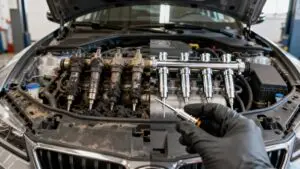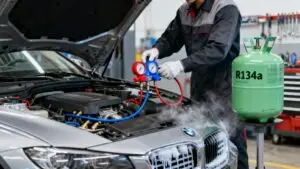




A car maintenance schedule is a manufacturer-recommended timetable that specifies when to perform key vehicle services to keep your car safe, reliable, and running at its best. Most vehicles follow milestone intervals at 30,000, 60,000, and 90,000 miles, with smaller service tasks due every few thousand miles in between. Most vehicles on American roads are around 12.6 years old, which means proper upkeep is the single biggest factor separating a car that lasts from one that becomes a money pit. When you understand car maintenance schedule basics, you stop guessing and start protecting your investment.
What are the typical car maintenance intervals?
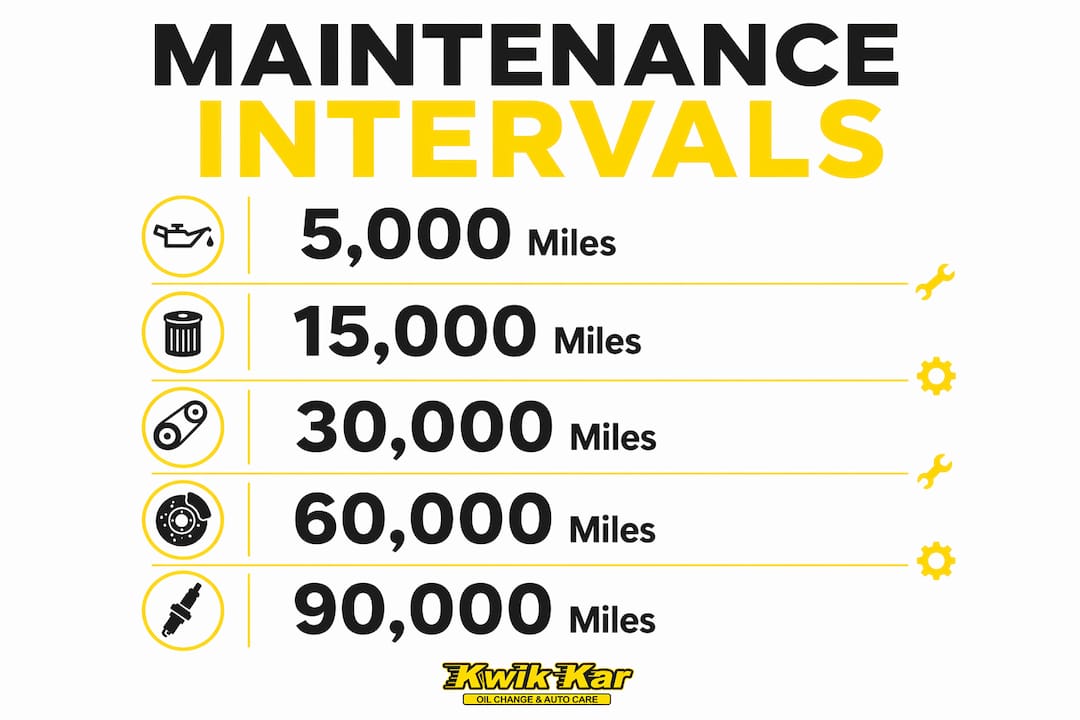
Vehicle service intervals follow a predictable pattern once you know what to look for. The table below maps the most common mileage checkpoints to their required tasks.
| Mileage Interval | Key Service Tasks |
|---|---|
| Every 5,000–7,500 miles | Oil change, tire rotation, visual inspection |
| Every 15,000–30,000 miles | Cabin air filter, engine air filter, battery check, brake inspection |
| Every 30,000–60,000 miles | Coolant flush, transmission fluid, spark plugs (some models) |
| Every 60,000–100,000 miles | Timing belt, brake fluid, coolant replacement |
| Every 90,000+ miles | Major drivetrain service, full fluid audit, suspension check |
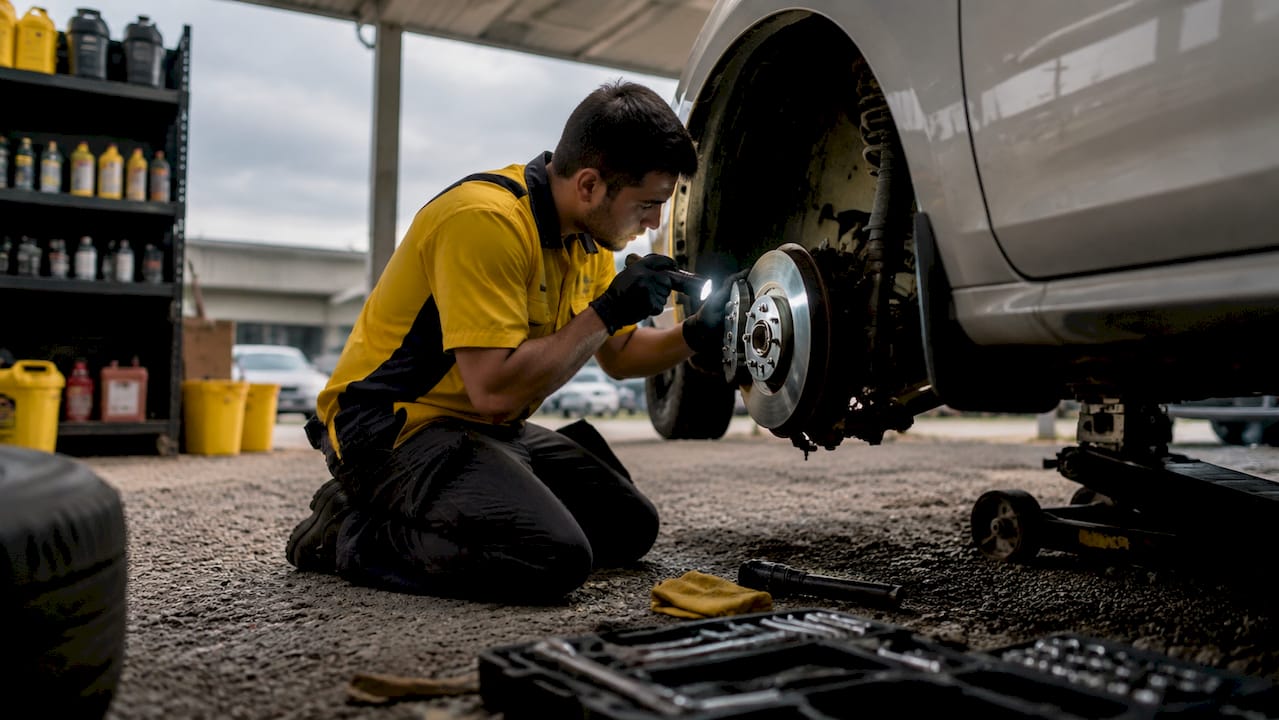
Oil change intervals typically range between 5,000 and 10,000 miles, depending on whether your vehicle uses conventional or synthetic oil. Synthetic oil lasts longer, but that does not mean you skip the interval entirely. Tire rotations are due every 5,000 to 7,500 miles. Rotating tires on schedule prevents uneven wear that shortens tire life and compromises handling.
Here is what a solid car care checklist covers at each major milestone:
- 5,000–7,500 miles: Oil and filter change, tire rotation, check fluid levels and tire pressure
- 15,000–30,000 miles: Cabin air filter replacement, battery test, brake pad measurement, wiper blade check
- 30,000 miles: Fuel filter (on applicable models), coolant inspection, transmission fluid check
- 60,000 miles: Spark plugs (most models), brake fluid flush, serpentine belt inspection
- 90,000+ miles: Timing belt replacement (interference engines), full suspension inspection, major fluid overhaul
Fluid flushes like coolant and brake fluid are occasional but non-negotiable. Coolant replacement typically falls between 60,000 and 100,000 miles, while brake fluid should be changed every 2–3 years regardless of mileage. Brake fluid absorbs moisture over time, which lowers its boiling point and reduces stopping power. That is a safety issue, not just a maintenance box to check.
For a deeper look at how maintenance varies by mileage, the interval breakdowns shift based on your specific engine and drivetrain.
How do driving conditions change your service schedule?
Most drivers assume they fall under the “normal” driving category. The reality is the opposite. Severe driving conditions are more representative for urban and suburban drivers than the normal schedules manufacturers often highlight.
Severe duty driving includes conditions that accelerate wear on fluids, brakes, and engine components. Manufacturers define it as any combination of the following:
- Frequent short trips under 5 miles, where the engine never fully warms up
- Stop-and-go traffic common in cities like Fort Worth or Dallas
- Towing or hauling heavy loads regularly
- Driving in extreme heat or cold
- Operating on dusty, unpaved roads
Severe duty conditions can shorten recommended service intervals by 40–50%. That means an oil change due at 7,500 miles under normal conditions may be needed at 3,750–5,000 miles if you drive in stop-and-go traffic daily. Ignoring this distinction is one of the most expensive mistakes a car owner can make.
Short trips are particularly damaging. When your engine does not fully warm up, moisture and combustion byproducts accumulate in the oil rather than burning off. This accelerates wear on rings, bearings, and cylinder walls. Think of it like running a dishwasher on a cold rinse cycle every time. The dishes never really get clean.
Pro Tip: If you commute less than 10 miles each way or live in a climate with temperature extremes, default to the severe duty schedule in your owner’s manual. It costs a little more upfront and saves significantly on repairs down the road.
How to read your vehicle’s specific maintenance schedule
Your owner’s manual is the most authoritative car maintenance guide you own. Most drivers never open it after the first week. That is a mistake that costs real money.
Follow these steps to read and use your vehicle’s maintenance schedule correctly:
- Locate the maintenance section. In most owner’s manuals, it appears under “Scheduled Maintenance” or “Service Intervals.” It lists tasks by mileage and time, whichever comes first.
- Identify your driving category. The manual will present a normal schedule and a severe duty schedule. Read the definitions carefully and choose the one that matches your actual habits.
- Use a VIN-based lookup tool. VIN-based tools help owners avoid unnecessary service upsells and confirm the exact manufacturer schedule for their specific vehicle. Two cars of the same model year can have different requirements based on engine type or drivetrain.
- Cross-reference with mileage and time. Some services are mileage-triggered. Others are time-triggered. Brake fluid, for example, is due every 2–3 years even if you have not hit the mileage threshold.
- Track what has been done. Create a simple log in a notebook or a free app like Drivvo or AUTOsist. Record the date, mileage, and service performed every time work is done.
Maintenance schedules vary by engine type and drivetrain, even within the same model line. A Ford F-150 with a 2.7-liter EcoBoost has different spark plug and timing chain requirements than the same truck with a 5.0-liter V8. Using a generic schedule instead of your VIN-specific one is a common and avoidable error.
Documented maintenance records substantially increase a vehicle’s resale value. Buyers pay more for cars with a verified service history. Keeping records is not just good practice. It is a financial asset.
Pro Tip: Take a photo of your odometer and the service receipt every time you get work done. Store them in a dedicated folder in your phone’s photos app. You will have a timestamped, searchable record without any extra effort.
How auto service intervals are determined involves engineering data from the manufacturer, not guesswork. Trusting that process protects your engine.
What are the most common car maintenance mistakes?
Knowing the schedule is only half the battle. Avoiding these common errors is what separates car owners who spend wisely from those who face surprise repair bills.
Trusting the dashboard oil life monitor too much. Dashboard oil life monitors can mislead drivers because these systems do not accurately reflect harsh real-world conditions. Environmental factors like extreme heat, frequent short trips, and towing accelerate oil degradation faster than the algorithm accounts for. Use the monitor as a general guide, not the final word.
Skipping services because the car feels fine. Brake pads wear gradually. Coolant degrades silently. Transmission fluid breaks down without any obvious symptom until the transmission slips. Waiting for a problem to announce itself is the most expensive maintenance strategy there is.
Accepting upsells without verification. Following the owner’s manual is the best baseline for service intervals. If a mechanic recommends a service not listed in your manual and your driving is not severe, ask for a clear explanation before agreeing. A reputable shop will welcome the question.
Ignoring time-based intervals. Many drivers track mileage but forget that some services are time-dependent. Brake fluid absorbs moisture whether you drive 500 miles or 5,000 miles in a year. A car that sits in a garage still needs periodic attention.
“The owner’s manual is the single most underused tool in vehicle ownership. Every service recommendation in it exists because engineers tested your specific engine to failure. That knowledge is free and already in your glove box.”
Vehicle service reminders fill the gap between manual checks and dashboard alerts, giving you a more reliable system for staying on schedule.
Key takeaways
A car maintenance schedule is the most cost-effective tool you have for protecting vehicle safety, performance, and long-term value.
| Point | Details |
|---|---|
| Follow mileage and time intervals | Services are triggered by both mileage and elapsed time, whichever comes first. |
| Most drivers qualify as severe duty | Stop-and-go traffic and short trips shorten service intervals by up to 50%. |
| Use your VIN for exact schedules | Generic schedules miss model-specific requirements for timing belts, fluids, and spark plugs. |
| Keep documented service records | A verified maintenance history increases resale value and proves responsible ownership. |
| Do not rely solely on dashboard alerts | Oil life monitors underestimate wear in harsh conditions; cross-check with your manual. |
What we have learned from years of keeping cars on the road
At Kwik Kar Oil Change & Auto Care, we see the same pattern repeat itself constantly. A customer comes in with a vehicle that has been “running fine” for years without a single scheduled service. Then one day it is not fine. The repair bill is three to five times what consistent maintenance would have cost over the same period.
The honest truth is that most major mechanical failures are not sudden. They are the result of small neglect compounding over time. A timing belt that fails at 110,000 miles because it was never replaced at 90,000 miles does not just cost you the belt. It can destroy the engine entirely. That is a $4,000 to $8,000 lesson that a $300 service would have prevented.
We also see the opposite problem: customers who have been talked into services every 3,000 miles on a vehicle that uses full synthetic oil and is rated for 7,500 miles between changes. Over-servicing wastes money just as surely as under-servicing damages engines. Knowing your schedule protects you from both directions.
The single habit that makes the biggest difference is simple. Write down what was done and when. Then set a reminder for the next service before you leave the shop. That two-minute habit is worth more than any app or dashboard light.
— Kwik Kar
Stay on schedule with the right support
Keeping up with your vehicle’s service schedule is straightforward when you have the right team and tools behind you.
Kwik Kar Oil Change & Auto Care in Fort Worth offers transparent pricing, certified technicians, and a RepairPal certification that backs every service we perform. Whether you need a routine oil change, a brake inspection, or a full fluid overhaul, we tell you exactly what your vehicle needs and why. Browse our affordable maintenance services to see what is due for your vehicle right now. If an unexpected repair comes up, our auto repair financing options make it easier to handle costs without delaying critical work. You can also download a car maintenance checklist to keep a printed record in your glove box.
FAQ
What does a car maintenance schedule include?
A car maintenance schedule includes all manufacturer-recommended services organized by mileage and time intervals, covering oil changes, tire rotations, fluid flushes, filter replacements, and major component inspections. Your owner’s manual contains the complete list specific to your vehicle.
How often should i get an oil change?
Standard oil change intervals range between 5,000 and 10,000 miles, depending on oil type and driving conditions. Drivers in severe duty conditions, including frequent short trips or extreme heat, should change oil closer to the lower end of that range.
What counts as severe driving conditions?
Severe driving conditions include frequent short trips under 5 miles, stop-and-go city traffic, towing, extreme temperatures, and dusty environments. Most urban and suburban drivers qualify as severe duty, which means shorter service intervals apply.
Can i trust my car’s oil life monitor to tell me when to change oil?
Oil life monitors provide a useful estimate but do not accurately reflect all real-world conditions like extreme heat or frequent short trips. Always cross-check the monitor reading against your owner’s manual interval.
Why does my maintenance schedule differ from my neighbor’s same-year car?
Maintenance schedules vary by engine type and drivetrain, even within the same model. A VIN-based lookup confirms the exact requirements for your specific configuration, preventing both missed services and unnecessary ones.