

Auto repair fraud is defined as any deceptive practice by a mechanic or shop that results in a car owner paying for work that was unnecessary, incomplete, or never performed. The Better Business Bureau recorded 1,455 complaints and nearly 2,000 scam reports related to auto repair in Washington state alone over 12 months, with over $110,000 in consumer losses. That figure represents just one state. The national picture is far worse. Common auto repair scams thrive because most car owners cannot verify what happens under the hood, and dishonest shops exploit that gap every day.
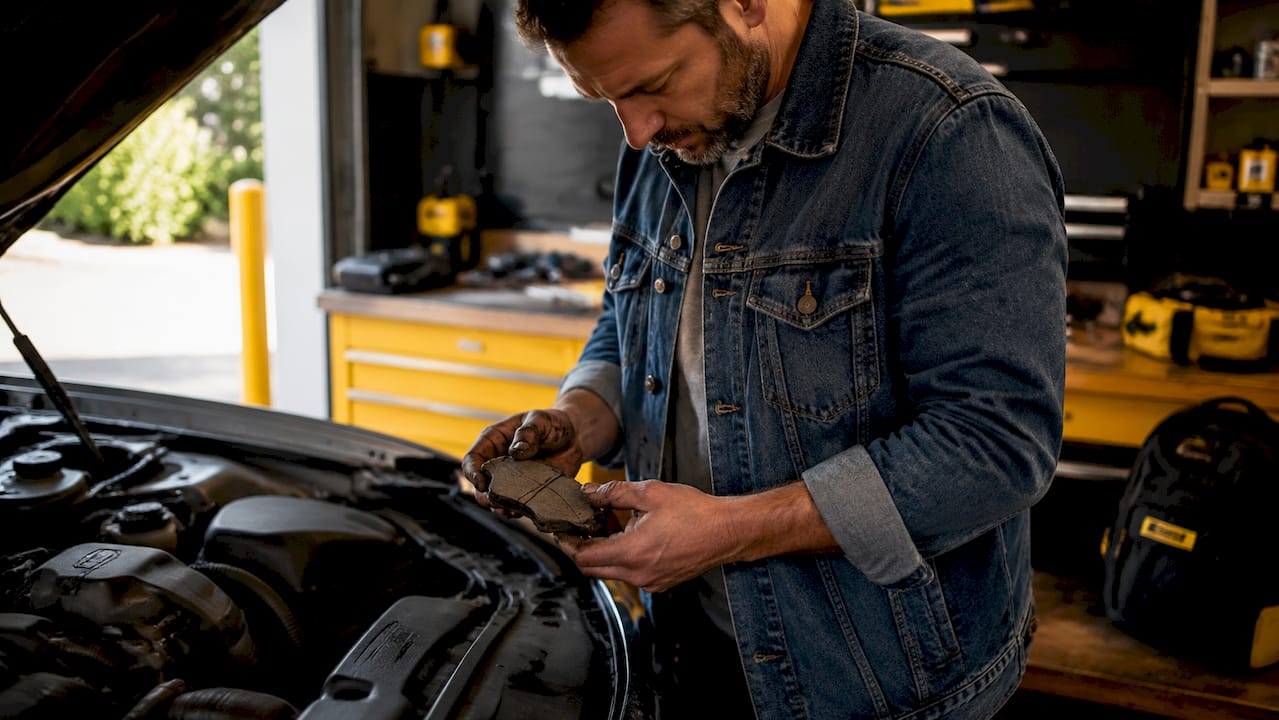
1. What are the most common auto repair scams?
Car repair scams fall into recognizable patterns. Knowing the names and mechanics of each one is your first line of defense.
- Unnecessary repairs. A shop diagnoses a minor sensor fault and presents it as a critical failure. Complex vehicle diagnostics make it easy to misrepresent small issues as expensive emergencies.
- Phantom repairs. You are charged for parts and labor that were never performed. The car looks the same because nothing actually changed.
- Bait-and-switch pricing. A low advertised price draws you in, then the final bill doubles with vague line items.
- Diagnostic teardown trap. A shop disassembles part of your engine or transmission to diagnose a problem, then demands full payment before reassembling. Teardown fees trap customers into paying for repairs they never approved.
- Surprise add-on fees. Tax season is a peak period for this tactic. Shops target car owners spending tax refunds on deferred maintenance, then pile on upsells and surprise charges after the car is already in the bay.
- Lifetime fluid replacement claims. A mechanic insists your transmission fluid, coolant, or brake fluid needs immediate replacement, calling it a “lifetime” service. Manufacturers publish specific fluid change intervals, and those schedules are the only authority that matters.
- Fraudulent lien schemes. A Miami body shop placed fraudulent liens on at least 16 vehicles, collecting over $409,000 illegally. This organized fraud prevents owners from reclaiming their own cars without paying inflated fees.
- Inflated parts pricing. A shop charges retail price for a part while using a cheaper aftermarket substitute, pocketing the difference.
- Vague labor charges. Line items like “miscellaneous shop fees” or “environmental surcharge” with no explanation are often pure profit padding.
- Credential misrepresentation. A shop claims its technicians are certified when they hold no recognized credentials such as ASE certification.
Pro Tip: Before authorizing any repair, ask the shop to show you the failed part on your vehicle. A legitimate technician will walk you to the car and point to the exact problem.
2. How to detect suspicious auto repair shop practices
Detection starts before you hand over your keys. The most effective protection is a written estimate reviewed before any work begins.
- Request a written estimate. Get every cost itemized in writing before work starts. Verbal quotes are unenforceable and easy to inflate.
- Know your state’s authorization rules. Massachusetts regulation 940 CMR 5.05 requires shops to notify and get permission if the final cost exceeds the estimate by more than $10. Many states have similar rules. Look up your state’s consumer protection statute before your next visit.
- Ask for your old parts back. Requesting old parts after replacement is the single most effective way to confirm a phantom repair did not occur. A shop that refuses to return your parts is a red flag.
- Verify technician credentials. ASE certification correlates strongly with honest service. Ask to see the certification before authorizing work.
- Watch for pressure tactics. Phrases like “you need this done today or your car is unsafe to drive” are designed to prevent you from getting a second opinion. Legitimate shops give you time to decide.
- Check for itemized billing. Every part and every labor charge should appear as a separate line. A single lump sum with no breakdown is a warning sign.
- Get a second opinion on large repairs. Any estimate over $500 warrants a call to at least one other shop. Price differences of 30–50% on the same job are common and revealing.
Pro Tip: Take photos of your car’s condition, odometer reading, and any visible components before leaving it at a shop. This creates a timestamped record that protects you if damage or phantom repairs are later disputed.
Understanding what a complete repair estimate should include gives you a clear standard to hold any shop accountable to.
3. What to do if you suspect you are a victim of auto repair fraud
Suspecting a scam is not enough. You need a documented record and a clear path to resolution.
- Document everything immediately. Keep your written estimate, final invoice, and any text or email communication with the shop. Photograph the car before and after service.
- Return to the shop in writing. Send a written complaint by email or certified mail. This creates a paper trail and often prompts resolution without legal action.
- File a complaint with the BBB. The Better Business Bureau tracks patterns across shops. Your complaint may connect to others against the same business.
- Contact your state attorney general’s consumer protection office. State agencies have authority to investigate auto repair fraud and can compel restitution. A Georgia auto shop owner pleaded guilty to 18 felony counts and was ordered to pay $40,000 in restitution after charging customers for unrepaired vehicles. That outcome started with consumer complaints.
- Dispute the charge with your credit card company. If you paid by credit card, a chargeback is available for services not rendered. This is one reason paying by card is safer than cash for large repairs.
- Consult a consumer protection attorney. For losses above a few hundred dollars, small claims court or a formal legal complaint may recover your money.
- Check the shop’s license status. Most states require auto repair shops to hold a valid business license. A shop operating without one has no legal standing to collect payment.
Knowing how to find a trustworthy mechanic before a problem occurs is the most effective way to avoid needing these steps entirely.
4. How fair pricing and financing options protect you from auto service rip-offs
Transparent pricing is the clearest signal that a shop operates honestly. When a shop posts labor rates, parts costs, and service fees openly, there is no room to hide inflated charges.
| Protection Tool | How It Works | Benefit to You |
|---|---|---|
| Written itemized estimate | Lists every part and labor charge before work begins | Prevents surprise fees and unauthorized add-ons |
| Published labor rates | Shop posts hourly rate publicly | Lets you compare against regional averages |
| Financing options | Spreads repair costs over time with set terms | Reduces pressure to accept unnecessary bundled repairs |
| Price comparison resources | Use guides to benchmark fair repair costs | Identifies outlier quotes immediately |
| RepairPal certification | Third-party verification of fair pricing | Confirms shop meets pricing transparency standards |
Fair auto repair pricing follows regional labor rate benchmarks and manufacturer-suggested parts costs. A shop that cannot explain how it arrived at a number is one you should leave.
Financing options serve a protective function beyond convenience. Smart payment plans let you budget for a legitimate repair without feeling financially cornered. When a shop senses you are desperate or cash-strapped, the risk of upselling and unnecessary add-ons increases. Having a financing option removes that pressure entirely.
Independent shops face fewer regulatory checks than franchise dealers, which means the burden of verification falls on you. Choosing a shop with third-party certification, published pricing, and financing options is the most reliable way to avoid being overcharged.
Key takeaways
Auto repair fraud is best prevented by demanding written estimates, verifying credentials, and requesting old parts back as proof that work was actually performed.
| Point | Details |
|---|---|
| Written estimates are non-negotiable | Get every cost itemized before authorizing any work to prevent surprise fees. |
| Request old parts after replacement | Physical proof of replaced parts is the most direct defense against phantom repair scams. |
| Verify ASE certification | Certified technicians are more likely to provide honest, accurate diagnoses and fair pricing. |
| Report fraud through official channels | File complaints with the BBB and your state attorney general to trigger investigations and recover losses. |
| Financing reduces scam vulnerability | Having a payment plan removes financial desperation that dishonest shops exploit to push unnecessary repairs. |
What I have learned about auto repair scams after years in this industry
The sophistication of car repair scams has grown in direct proportion to vehicle complexity. Modern cars carry dozens of sensors and control modules. A scan tool can generate a list of fault codes that looks alarming to anyone without technical training. Dishonest shops use that list as a menu, recommending every flagged item regardless of whether it affects safety or performance.
What I find most troubling is the recidivism pattern. Shops caught in fraud often reopen under new names because independent repair businesses face limited centralized oversight. A felony conviction in one county does not automatically prevent someone from opening a new shop across town. That reality puts the responsibility squarely on car owners to verify every shop they use.
The trust-but-verify approach is not cynicism. It is the standard any informed car owner should apply. Ask questions. Request documentation. Walk away from any shop that treats your questions as an inconvenience. A shop with nothing to hide will welcome scrutiny.
The car owners who avoid mechanic scams consistently are not the ones who know the most about engines. They are the ones who know the right questions to ask and refuse to be rushed into decisions. That skill is learnable, and it costs nothing.
— Kwik Kar
Honest auto care at Kwik Kar Oil Change & Auto Care
Kwik Kar Oil Change & Auto Care serves Fort Worth car owners with transparent pricing, itemized estimates, and certified technicians on every job. Every service starts with a clear written quote, and no work begins without your approval.
For car owners concerned about repair costs, Kwik Kar Oil Change & Auto Care offers flexible financing options that make legitimate repairs affordable without financial pressure. RepairPal certification means pricing is verified against regional benchmarks, so you know the number on your estimate is fair. Whether you need a routine oil change or a more involved repair, the team at Kwik Kar Oil Change & Auto Care gives you the documentation and explanation you deserve at every step.
FAQ
What are the most common auto repair scams in 2026?
The most frequent auto repair scams include unnecessary repairs, phantom parts charges, bait-and-switch pricing, diagnostic teardown traps, and surprise add-on fees. Complex vehicle diagnostics make it easier for dishonest shops to misrepresent minor sensor faults as major failures.
How do I know if a mechanic is trying to scam me?
Key warning signs include vague verbal estimates, pressure to approve repairs immediately, refusal to return old parts, and a final bill that significantly exceeds the written estimate. Any shop that will not explain charges in plain language is a red flag.
What should I do if I was overcharged for auto repairs?
Document the estimate and final invoice, then file a complaint with the Better Business Bureau and your state attorney general’s consumer protection office. If you paid by credit card, a chargeback for services not rendered is also available.
Does ASE certification protect me from auto repair fraud?
ASE certification correlates strongly with honest service and accurate diagnostics. It does not guarantee fraud will never occur, but certified shops operate under professional standards that reduce the risk significantly.
Are independent repair shops riskier than dealerships?
Independent shops face fewer centralized regulatory checks than franchise dealers, which creates more opportunity for undetected fraud. Choosing an independent shop with third-party certification, published labor rates, and a verifiable complaint history reduces that risk considerably.