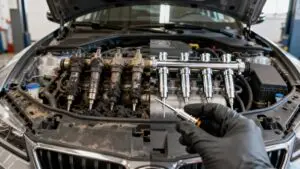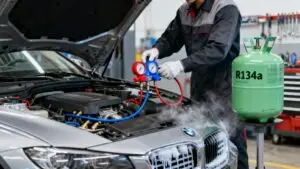



Servicing a European car locally is defined as using a qualified independent specialist shop with brand-specific tools, OEM-quality parts, and manufacturer-aligned service intervals to maintain your vehicle’s performance outside of a dealership. Fort Worth owners of BMW, Audi, Mercedes-Benz, Volvo, and similar vehicles can access dealership-quality maintenance at 30–50% lower cost by choosing the right local shop. The key is knowing exactly what to look for before you book an appointment. This guide walks you through the prerequisites, the step-by-step process, and the red flags to avoid.
What do you need before servicing a European car locally?
Getting European car maintenance right starts before the car ever pulls into a bay. Two things separate a qualified local shop from a general repair shop: the right equipment and the right parts sourcing.
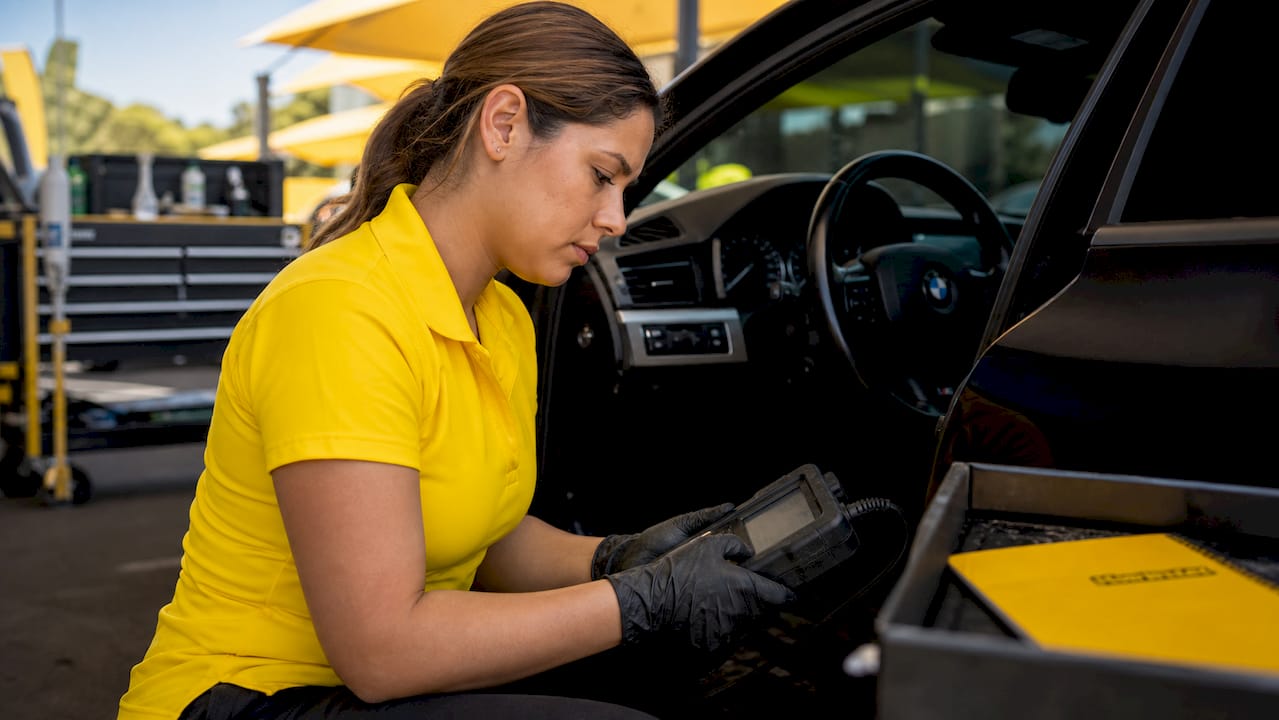
Brand-specific diagnostic tools
Modern European vehicles use integrated electronic systems that require brand-specific diagnostic software, not generic OBD-II scanners. A generic scanner may read a fault code but cannot perform live data analysis, module coding, or adaptation resets that European systems require. Missing this step leads to misdiagnosis and parts replaced unnecessarily.
OEM or OEM-equivalent parts and fluids
European manufacturers engineer their vehicles to tight tolerances. Using generic fluids instead of manufacturer-specified types causes chemical degradation of seals and premature system failures within months. Always confirm the shop sources OEM or OEM-equivalent parts before authorizing any work.
Transparent documentation from the shop
A reputable shop provides a detailed itemized estimate before any work begins, along with a clear warranty on both parts and labor. This is an industry standard, not a bonus. If a shop cannot produce a written estimate upfront, that is a disqualifying sign.
| Prerequisite | Why it matters |
|---|---|
| Brand-specific diagnostic software | Reads live data and performs module coding generic tools cannot |
| OEM or OEM-equivalent fluids | Prevents seal degradation and premature system failure |
| Itemized written estimate | Protects you from surprise charges and undisclosed work |
| Parts and labor warranty | Confirms accountability for the quality of repairs |
| Technician brand training | Reduces diagnostic errors on complex European systems |
Pro Tip: Ask the shop which diagnostic platform they use for your vehicle’s brand. Shops that specialize in European vehicles will name it immediately. Hesitation is a red flag.
How to service a European car at a local shop: step by step
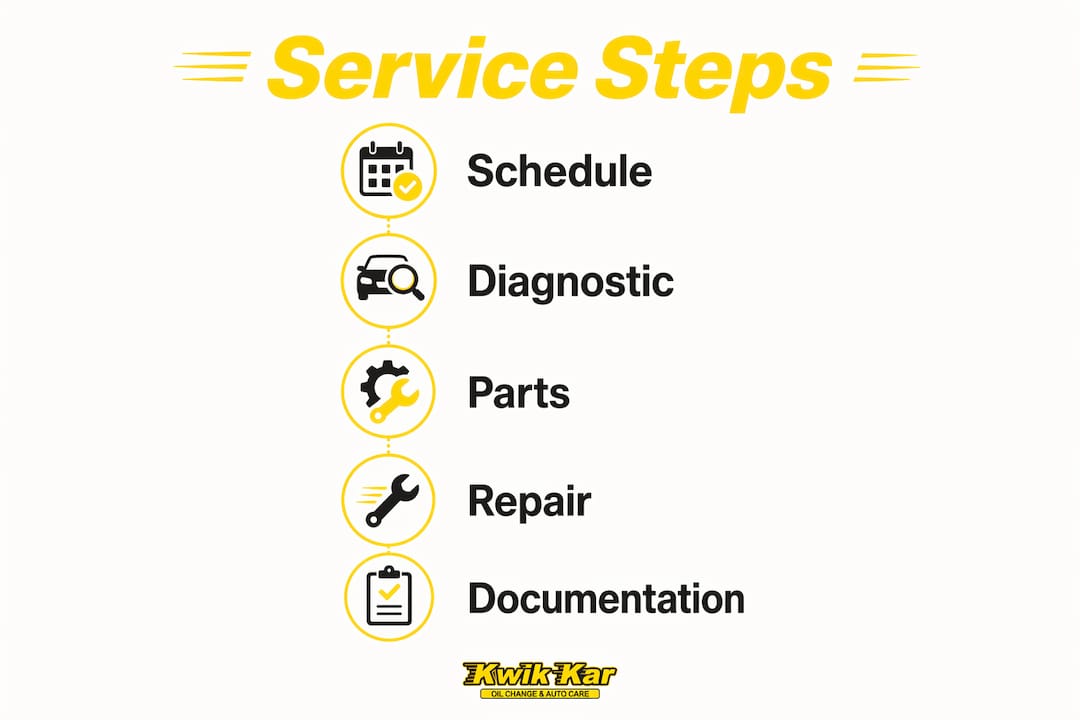
The process for local European car servicing follows a clear sequence. Skipping any step creates gaps that show up as expensive failures later.
- Schedule at the correct interval. European manufacturers recommend 10,000-mile service intervals, but specialists advise oil changes every 5,000–7,500 miles to protect turbocharged engines and high-temperature cooling systems. Fort Worth’s stop-and-go traffic and summer heat make the shorter interval the smarter choice. Understanding how service intervals are determined for your specific model helps you plan ahead.
- Run a full diagnostic scan. The shop should connect brand-specific software to your vehicle before touching anything mechanical. This scan identifies active fault codes, pending codes, and any modules requiring software updates. It sets the baseline for every repair decision that follows.
- Inspect and replace fluids and filters. Engine oil, transmission fluid, coolant, and power steering fluid all have manufacturer-specified grades. Brake fluid deserves special attention: European vehicles use DOT4 or DOT5.1, which is hygroscopic and absorbs moisture over time. Brake fluid should be tested and replaced every two years to prevent brake fade and internal corrosion.
- Check brakes, tires, and suspension components. European vehicles use tighter suspension geometry than most domestic cars. A thorough inspection covers brake pad thickness, rotor condition, control arm bushings, and tire wear patterns. Uneven tire wear often signals an alignment or suspension issue before it becomes a safety problem.
- Verify OEM parts are used for replacements. Before any component is installed, confirm the part number matches your vehicle’s manufacturer specification. Ask for the old parts back if you want visual confirmation. This is standard practice at quality shops and costs you nothing to request.
- Complete a final quality check and test drive. After all work is done, the shop should clear fault codes, run a post-repair scan, and perform a road test. A test drive confirms the repair resolved the symptom and that no new issues were introduced during the service.
- Confirm the service is documented in writing with mileage, parts used, and labor performed.
- Keep all service records. They protect your warranty and increase resale value.
- Ask about the next recommended service at checkout so you can plan ahead.
Pro Tip: A luxury car maintenance checklist built around your specific model keeps you ahead of manufacturer-recommended intervals and prevents the kind of deferred maintenance that turns a $300 service into a $3,000 repair.
How to choose the best local European car service in Fort Worth
Choosing the right shop is the single most important decision in this entire process. The wrong shop with the right intentions still causes damage.
- Prioritize brand specialization. Shops that specialize by brand or region, such as German or Swedish vehicles, deliver better service quality and fewer diagnostic errors than generalist shops that advertise working on all makes. A shop that services BMW and Audi daily knows the quirks of those platforms in a way a generalist never will.
- Verify ASE certifications and brand-specific training. Checking ASE certifications and brand-specific training is more reliable than relying on star ratings alone. Experienced specialists invest in ongoing education and OEM parts sourcing. Kwik Kar Oil Change & Auto Care holds a RepairPal certification, which signals verified standards for pricing and repair quality.
- Evaluate transparency in pricing. Fair auto repair pricing means a written estimate before work starts, no hidden fees, and a clear explanation of what each line item covers. Shops that resist giving written estimates upfront are not worth your time.
- Talk directly with the technician. High-quality shops let you speak directly with the technician working on your car, not just the service advisor. Request photo or video documentation of any issue found during inspection. This builds trust and helps you make informed decisions without feeling pressured.
- Confirm the warranty policy. A shop that stands behind its work offers a written warranty on both parts and labor. Ask for the specific terms: how long, what is covered, and what voids it.
What are the most common mistakes when servicing European cars locally?
Most European car service problems are preventable. They come from shortcuts that seem harmless until the repair bill arrives.
- Using generic fluids. This is the most common and most damaging mistake. Generic motor oil, coolant, or transmission fluid does not meet the chemical specifications European manufacturers require. The result is accelerated wear on seals, gaskets, and internal components.
- Ignoring shorter service intervals. European cars are precision machines. Skipping or delaying services accelerates costly failures. Preventive maintenance saves money. Treating a BMW like a domestic truck with a 10,000-mile oil change interval in Texas heat is a reliable path to turbo failure.
- Attempting complex DIY repairs without proper tools. DIY repairs are appropriate only for simple tasks like wiper blades or cabin air filters. Complex diagnostics, brake bleeding, and transmission services require brand-specific tools and software. Without them, you risk creating new faults while trying to fix existing ones.
- Failing to verify warranty protection. Some vehicle warranties require service at certified shops using OEM parts. Using an uncertified shop or non-OEM parts can void your powertrain warranty. Confirm your shop’s certification status before authorizing work.
“Reputable shops must provide clear warranties on parts and labor, use manufacturer-level diagnostic equipment, and offer detailed itemized quotes before any work begins. These are not optional extras. They are the baseline standard for any shop working on a European vehicle.”
Key Takeaways
Choosing a qualified local specialist with brand-specific tools, OEM parts, and transparent pricing is the most reliable way to maintain a European vehicle’s performance and protect its long-term value.
| Point | Details |
|---|---|
| Use brand-specific diagnostics | Generic OBD-II tools miss faults that European systems require specialized software to read. |
| Follow shorter oil change intervals | Service every 5,000–7,500 miles to protect turbocharged engines in hot or heavy traffic conditions. |
| Insist on OEM or OEM-equivalent parts | Generic fluids and parts degrade seals and cause premature system failures within months. |
| Verify shop credentials before booking | ASE certification and brand-specific training matter more than online star ratings. |
| Replace brake fluid every two years | DOT4 and DOT5.1 fluids absorb moisture and cause brake fade if left unchanged. |
What I’ve learned from years of European car service in Fort Worth
The most expensive European car repairs I see are not caused by bad luck. They are caused by deferred maintenance and the wrong shop. An owner brings in a BMW with a failed turbo, and when you trace it back, the oil was changed at 12,000 miles with a generic synthetic that did not meet BMW Longlife specifications. That is a $4,000 repair that a $90 oil change would have prevented.
Fort Worth’s climate makes this worse than average. Summer temperatures push cooling systems and turbochargers harder than they were designed for in European conditions. The manufacturer’s recommended interval was written for moderate European driving. Local conditions demand more frequent attention.
The other pattern I see constantly is owners who chose a shop based on price alone. A shop that charges less because it uses aftermarket fluids and skips the diagnostic scan is not saving you money. It is borrowing against your future repair budget. The preventive maintenance approach is always cheaper than the reactive one.
My honest advice: find a shop that lets you talk to the technician, shows you photo documentation of what they found, and gives you a written estimate before touching the car. Those three things tell you everything you need to know about whether a shop is worth trusting.
— Kwik Kar
European car service at Kwik Kar Oil Change & Auto Care
Kwik Kar Oil Change & Auto Care serves Fort Worth European car owners with certified technicians, OEM-quality parts, and transparent pricing on every service.
From oil changes calibrated to European manufacturer specifications to full diagnostic scans and brake system service, Kwik Kar Oil Change & Auto Care handles the work your vehicle actually needs. Every estimate is itemized and written before work begins. The RepairPal certification means pricing is verified against industry standards, so you are not guessing what fair looks like. Review fair repair pricing standards before your next appointment, and check available auto repair financing options if you need flexibility on a larger service.
FAQ
What does it cost to service a European car locally vs. at a dealership?
A qualified independent European specialist typically costs 30–50% less than a dealership, with annual maintenance for vehicles like BMW or Audi running $600–$1,200 at an independent shop versus $1,200–$2,500 at a dealership.
How often should I change the oil in my European car?
Specialists recommend oil changes every 5,000–7,500 miles for European vehicles, especially in hot climates or heavy traffic, even though manufacturer documentation may list longer intervals.
Can I use any mechanic for European car repairs near me?
A general mechanic without brand-specific diagnostic software and OEM parts sourcing risks misdiagnosis and improper repairs. Choose a shop that specializes in European brands and holds verifiable certifications.
How do I know if a local shop is qualified for European car servicing?
Ask which diagnostic platform they use for your vehicle’s brand, request proof of ASE certification or brand-specific training, and confirm they provide a written warranty on parts and labor before work begins.
Is DIY service a good option for European cars?
DIY service is appropriate only for simple tasks like wiper blades or cabin air filters. Complex systems including brakes, transmission, and electronics require brand-specific tools and software that most owners do not have access to.