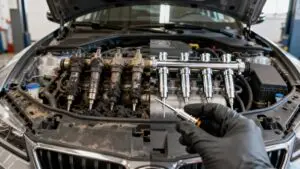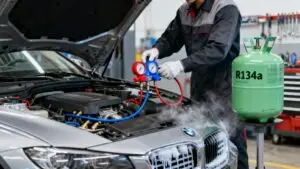





Priority auto service is defined as timely, specialized vehicle maintenance designed for gig economy drivers whose cars function as income-generating tools under severe duty conditions. Your vehicle is not just transportation. It is your workplace, and when it stops running, your income stops too. Gig delivery drivers log 15,000–25,000 miles yearly for work, far exceeding typical personal use mileage. That level of use demands a completely different maintenance approach than what the average driver follows. Kwik Kar Oil Change & Auto Care works with gig drivers in Fort Worth who understand this reality and need a shop that does too.
Why gig drivers need priority auto service more than anyone else
Gig driving is not standard driving. Stop-and-go traffic, constant idling, frequent short trips, and back-to-back shifts create what the automotive industry calls “severe duty” use. This classification matters because it changes every maintenance interval your vehicle needs. Vehicle reliability directly affects your gig income in ways that salaried workers never experience. A breakdown does not just cost you a repair bill. It costs you every fare or delivery you cannot complete while your car sits in a shop.
The importance of priority auto service comes down to one fact: your vehicle degrades faster than the standard maintenance schedule assumes. Most manufacturer recommendations are built around drivers logging 10,000–15,000 miles per year under normal conditions. Gig drivers blow past that mileage in months. Without adjusted service intervals and fast turnaround when problems arise, you are running a business on borrowed time.
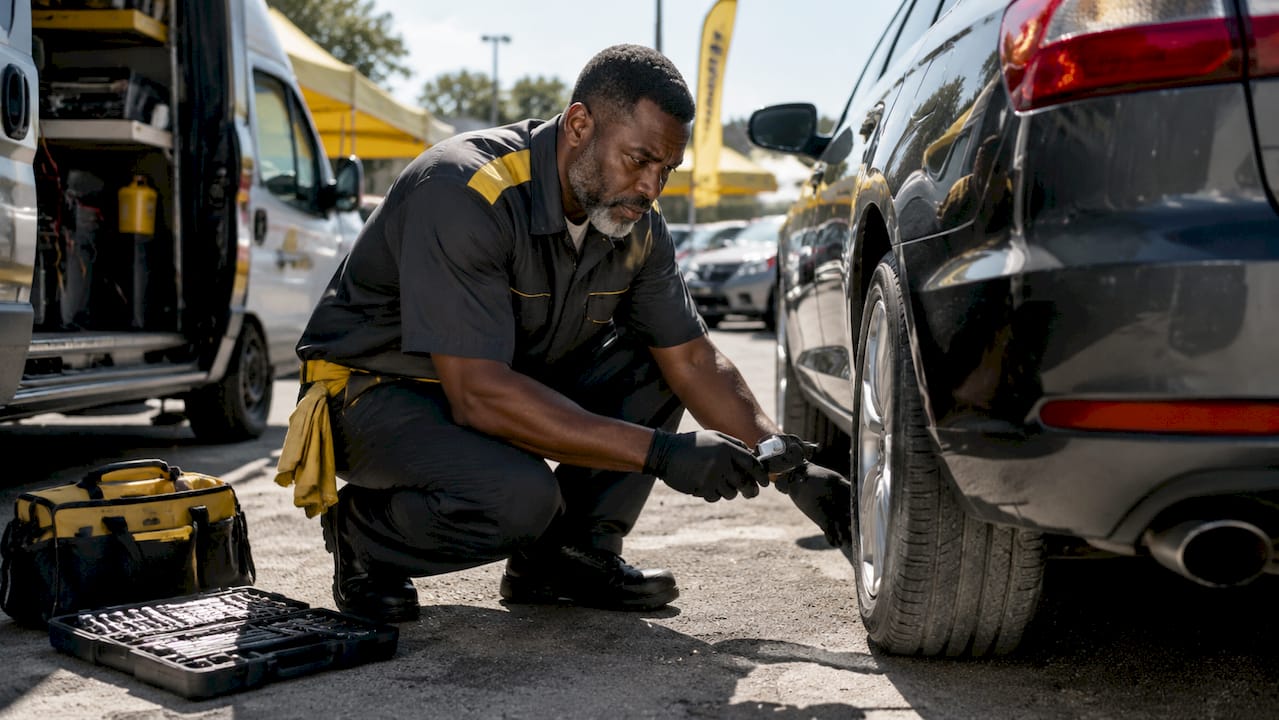
How does gig driving cause faster wear and tear?
Gig driving qualifies as severe duty use, which means your owner’s manual’s severe duty schedule applies, not the standard one. That distinction has real consequences for every major system in your vehicle.
Oil breaks down faster under stop-and-go conditions because the engine never reaches the sustained temperature needed to burn off moisture and contaminants. Tires wear unevenly when you are constantly accelerating, braking, and turning in urban environments. Brakes take a beating during delivery runs in dense neighborhoods. Transmission fluid degrades faster under the constant gear cycling typical of city gig routes, and ignoring transmission fluid intervals leads to catastrophic failures at the worst possible time.
Here is how gig driving service intervals compare to standard recommendations:
| Service | Standard interval | Gig driver interval |
|---|---|---|
| Oil change | 5,000–7,500 miles | 3,000–5,000 miles |
| Tire rotation | 7,500–10,000 miles | 5,000 miles |
| Brake inspection | 12,000 miles | 6,000–8,000 miles |
| Transmission fluid | 30,000–60,000 miles | 15,000–30,000 miles |
| Air filter | 15,000–30,000 miles | 10,000–15,000 miles |
These shorter intervals are not optional. They are the difference between a vehicle that lasts 200,000 miles and one that needs a major repair at 80,000. Car maintenance by mileage is the framework gig drivers should use, not calendar-based reminders.
Pro Tip: Check your oil color and consistency every two weeks. Dark, gritty oil means you are already behind schedule. Do not wait for a dashboard warning light to tell you what your dipstick can show you today.
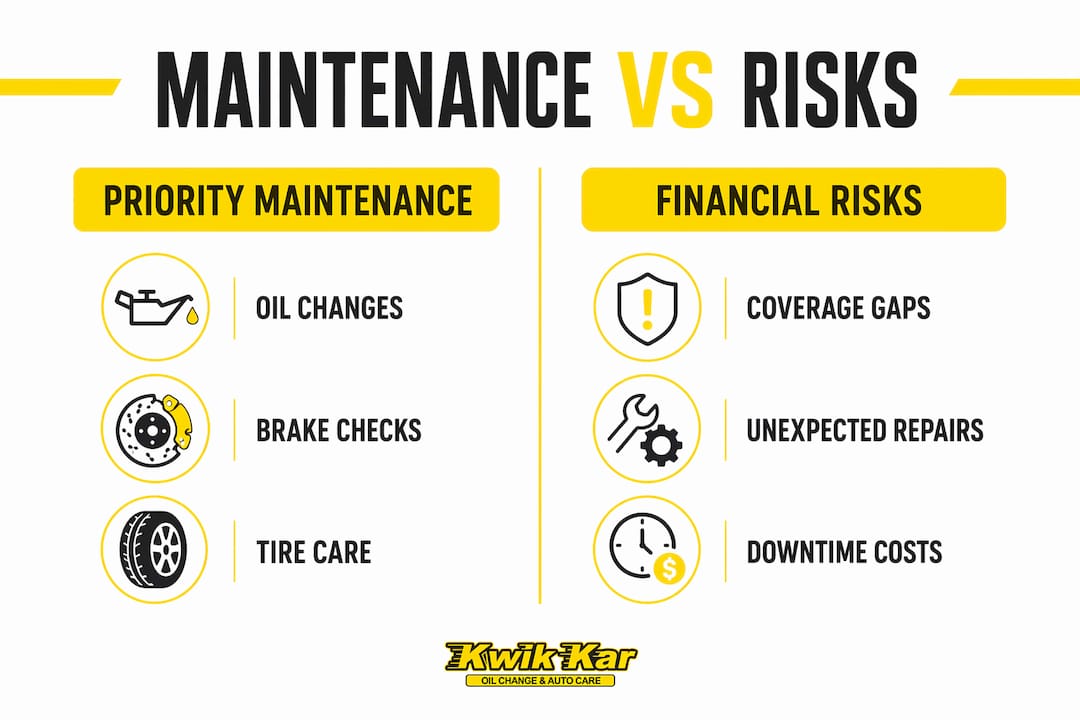
What financial and insurance risks do gig drivers face?
Nearly 42% of gig workers do not carry adequate commercial or hybrid auto coverage, leaving them personally responsible for repair costs and liability during business use. That number is not a minor gap. It means nearly half of all gig drivers are one accident away from a financial crisis their personal policy will not cover.
1 in 4 rideshare and delivery drivers has a coverage gap that voids their personal policy the moment the app is active. Personal auto policies contain business-use exclusions that most drivers never read until they file a claim. Hybrid rideshare policies exist as a middle-ground solution, offering lower cost with broader coverage for drivers working 20–30 hours weekly. Understanding your rideshare dashcam requirements and insurance obligations together gives you a clearer picture of your total risk exposure.
Financial and insurance risks unique to gig drivers include:
- Coverage voids: Personal policies exclude business use, leaving you unprotected during active app sessions.
- Repair cost exposure: Without commercial coverage, all mechanical repairs come directly out of your earnings.
- Income loss during downtime: Every day your car is in the shop is a day you earn nothing.
- Warranty risks: Skipping documented service intervals can void manufacturer warranties on newer vehicles.
- Resale value loss: Documented service history protects resale value on high-mileage gig vehicles, and missing records cost you money when it is time to sell.
Proactive gig economy vehicle maintenance is the most direct way to reduce these risks. A well-maintained vehicle breaks down less, files fewer claims, and holds its value longer.
How to identify urgent versus less urgent auto repairs
Not all auto repairs carry the same urgency, and knowing the difference protects both your safety and your schedule. Treating every warning sign as a crisis wastes money. Ignoring the wrong one can put you and your passengers at serious risk.
Use this framework to sort repairs into three categories:
- Fix immediately (safety-critical): Brake failure, steering pull or looseness, overheating, warning lights for oil pressure or engine temperature, and any fluid leak under the vehicle. These issues make your car unsafe to drive and must be addressed before your next shift.
- Schedule within one week: Worn wiper blades, a weakening battery, minor exhaust noise, and soft brake pedal feel. These are not emergencies, but they will become one if ignored for more than a few days.
- Plan within the month: Cosmetic damage, minor suspension noise on smooth roads, and non-critical sensor codes. These can wait for a scheduled appointment without affecting your ability to work safely.
This three-tier system keeps you from either panicking over a minor issue or dismissing something serious. Distinguishing urgent from less critical repairs helps you protect your repair budget and stay on the road.
Pro Tip: Do a 60-second walkaround before every shift. Check tires for visible low pressure, look under the car for fresh fluid spots, and listen for any new sounds during the first mile. Catching problems early means scheduling a repair on your terms, not the road’s.
What practical steps help gig drivers secure priority auto service?
Building a relationship with a mechanic who understands gig driving needs is the single most effective step you can take. A shop that knows your vehicle history can diagnose problems faster, prioritize your appointment when something urgent comes up, and give you honest guidance on what to fix now versus later. That relationship functions like a business partnership.
Here are the practical steps that protect your income and your vehicle:
- Choose one trusted shop. Spreading your service history across multiple shops means no one knows your vehicle well. A single shop builds a complete record that speeds up every future visit.
- Maintain detailed service records. Proper invoices detailing mileage and repairs create a verifiable maintenance history that protects your warranty and increases resale value.
- Set aside a maintenance fund. Successful gig drivers treat vehicle maintenance as a predictable operational cost. Dedicating a fixed percentage of weekly earnings to a maintenance fund removes the financial shock of routine service.
- Use scheduling flexibility wisely. Book oil changes and tire rotations during your slowest earning hours, not when demand is high. A quick-turnaround shop lets you get in and out without losing a full day of income.
- Know what to DIY and what to outsource. Basic checks like tire pressure, fluid levels, and visual inspections are safe to do yourself. Safety-critical repairs require a certified technician to protect your warranty and legal standing.
Preventive maintenance beats reactive repairs every time for gig drivers. The cost of a scheduled oil change is a fraction of what a seized engine costs, in both repair bills and lost income. Kwik Kar Oil Change & Auto Care provides the kind of thorough, documented service that gig drivers need to keep their vehicles running and their records clean.
Key Takeaways
Gig drivers require priority auto service because severe duty driving conditions accelerate vehicle wear, create insurance coverage gaps, and turn every breakdown into a direct income loss.
| Point | Details |
|---|---|
| Severe duty intervals apply | Gig drivers need oil changes every 3,000–5,000 miles, not the standard 5,000–7,500. |
| Coverage gaps are common | Nearly 42% of gig workers lack adequate commercial or hybrid auto coverage. |
| Urgent repairs cannot wait | Brake, steering, and overheating issues must be fixed before the next shift. |
| Service records protect value | Documented maintenance history preserves warranty coverage and vehicle resale value. |
| One trusted shop is the goal | A consistent mechanic relationship speeds diagnostics and secures priority scheduling. |
The mindset shift that actually keeps gig drivers on the road
We see it constantly at Kwik Kar Oil Change & Auto Care. A driver comes in after ignoring a soft brake pedal for two weeks, and what could have been a $150 pad replacement has turned into a $600 rotor and caliper job. The repair cost doubled. The downtime tripled. And the driver lost two days of earnings on top of it.
The gig economy rewards consistency. Your rating, your acceptance rate, your income all depend on showing up. A reactive approach to vehicle care is incompatible with that model. Drivers who treat their car like a business asset, scheduling maintenance proactively and building a real relationship with their mechanic, consistently outperform those who only visit a shop when something breaks.
The uncomfortable truth is that most gig drivers underestimate what their vehicle actually costs per mile when you factor in accelerated wear. Once you see that number clearly, the decision to invest in time-saving car care becomes obvious. Prevention is not an expense. It is the cheapest form of income protection available to you.
— Kwik Kar
Kwik Kar Oil Change & Auto Care: built for drivers who cannot afford downtime
Gig drivers need a shop that moves as fast as they do. Kwik Kar Oil Change & Auto Care in Fort Worth offers certified technicians, transparent pricing, and thorough service documentation built around the needs of high-mileage drivers. Every visit generates a detailed service record that protects your warranty and supports your vehicle’s resale value.
If repair costs are a concern, Kwik Kar offers auto repair financing options that let you manage maintenance costs without disrupting your cash flow. You can also review what fair auto repair pricing looks like before your appointment so you walk in informed. Book your next service with Kwik Kar Oil Change & Auto Care and keep your vehicle earning.
FAQ
Why do gig drivers need priority auto service specifically?
Gig drivers log 15,000–25,000 miles yearly under severe duty conditions, which accelerates wear far beyond standard maintenance schedules. Priority auto service addresses these shortened intervals and minimizes the downtime that directly cuts into gig income.
How often should gig drivers change their oil?
Gig driving qualifies as severe duty use, so oil changes are recommended every 3,000–5,000 miles rather than the standard 5,000–7,500 miles. Following the severe duty schedule in your owner’s manual prevents premature engine wear.
Does personal auto insurance cover gig driving?
1 in 4 rideshare and delivery drivers has a coverage gap that voids their personal policy once the app is active. Hybrid rideshare policies offer a more affordable solution for drivers working 20–30 hours weekly.
What repairs should a gig driver fix immediately?
Safety-critical issues including brake problems, steering irregularities, overheating, and active fluid leaks require immediate attention before your next shift. Delaying these repairs creates both safety risks and the potential for far more costly damage.
How does documented service history help gig drivers?
Proper invoices detailing mileage and repairs create a verifiable maintenance record that protects manufacturer warranty coverage and increases the vehicle’s resale value when it is time to sell or trade.