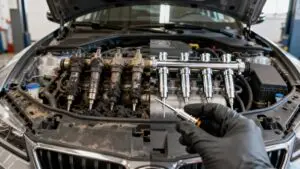





Vehicle maintenance without appointment is defined as professional auto service accepted on a walk-in basis, without prior booking. Most reputable service centers accept walk-ins for routine tasks like oil changes, tire rotations, and brake inspections. The Magnuson-Moss Warranty Act protects your right to use any licensed independent shop for routine maintenance without voiding your manufacturer warranty. Kwik Kar Oil Change & Auto Care is one example of a certified provider that accommodates walk-in customers with transparent pricing and no pressure. Knowing your options means you can keep your vehicle healthy on your own schedule.
1. What services allow vehicle maintenance without appointment?
The most common walk-in vehicle service options are oil changes, tire repairs, battery checks, and brake inspections. These services share one trait: they follow predictable procedures that do not require pre-ordered specialty parts or extended diagnostic time. Complimentary tire, battery, and brake inspections are standard trust-building tools at many walk-in centers, giving you a low-pressure way to assess your vehicle’s condition at no cost.
Here is a practical breakdown of typical walk-in services and their expected time frames:
- Conventional or synthetic oil change: 30–45 minutes
- Tire rotation: 20–30 minutes
- Flat tire repair or plug: 15–30 minutes
- Battery test and replacement: 15–20 minutes
- Brake inspection: 20–30 minutes
- Air filter or cabin filter swap: adds 10–15 minutes to any visit
- Wiper blade replacement: 10–15 minutes
- Fluid top-off (coolant, washer, brake fluid): 10–20 minutes
A quick oil change visit typically takes 30–45 minutes, with additional time added when you combine services. That time estimate assumes the shop is not at peak capacity, which is why timing your visit matters as much as choosing the right service.
Pro Tip: Ask about bundling services. Adding an air filter swap or wiper replacement to your oil change visit costs very little extra time and saves you a separate trip.

You can review a full list of affordable services available at walk-in centers to plan your visit before you arrive.
2. When are the best times to visit for no appointment car repair?
Timing is the single biggest factor in how long you wait at a walk-in shop. Peak demand concentrates between 8:00 AM–10:00 AM and 4:30 PM–6:00 PM, which are the windows when commuters drop off vehicles before and after work. Arriving during these windows means you are competing with both walk-ins and scheduled appointments.
The table below shows how timing affects your expected wait.
| Time Window | Day Type | Expected Wait | Notes |
|---|---|---|---|
| 8:00 AM–10:00 AM | Weekday | 45–90 minutes | Highest walk-in and appointment volume |
| 10:00 AM–12:00 PM | Weekday | 15–30 minutes | Best weekday window |
| 12:00 PM–2:00 PM | Weekday | 20–40 minutes | Moderate, lunch-hour surge possible |
| 2:00 PM–4:00 PM | Weekday | 10–25 minutes | Lowest weekday volume |
| 4:30 PM–6:00 PM | Weekday | 45–75 minutes | Second peak, closing-time rush |
| 9:00 AM–11:00 AM | Saturday | 30–60 minutes | Busy but manageable |
| Early afternoon | Saturday | 15–30 minutes | Often the best weekend window |
Walk-ins face longer waits during peak hours because shops prioritize booked appointments first. That is not a policy against walk-ins. It is simply how shop workflow operates. Calling ahead before you drive over confirms bay availability and technician readiness, which cuts your actual wait time significantly.
Pro Tip: Mid-week afternoons between 2:00 PM and 4:00 PM are consistently the lowest-volume window at most quick-service shops. If your schedule allows any flexibility, that window is your best bet.
For broader guidance on fitting maintenance into a packed schedule, the time-saving car care tips resource covers practical strategies worth bookmarking.
3. How to prepare for same day car service without booking
Calling ahead is the single most effective step you can take before a walk-in visit. Confirming bay capacity before you arrive saves significant wait time and prevents the frustration of being turned away. Shops welcome the heads-up because it helps them manage workflow without overloading their bays.
Bring these items with you to keep the visit efficient:
- Vehicle registration and insurance card: some shops require these for service records
- Owner’s manual or service history: helps technicians confirm the correct oil grade and service intervals
- A written note of any symptoms: unusual sounds, warning lights, or handling changes you have noticed
- Payment method: confirm whether the shop accepts cards, cash, or financing options
- A way to wait comfortably: most shops offer seating, Wi-Fi, and coffee, but bringing headphones or a book helps if the wait runs long
Many shops welcome walk-ins but caution that spot availability depends on current workload. Managing your expectations before you arrive makes the experience far less stressful. If you have a manufacturer warranty, remember that the Magnuson-Moss Warranty Act protects your right to use any licensed independent shop without penalty. You do not need to return to a dealership for routine maintenance to keep your warranty valid.
Understanding what free vehicle inspections cover can also help you take full advantage of complimentary checks offered during walk-in visits.
4. The drop-box option: walk-in service without the wait
A key drop-box is one of the most underused tools available to busy car owners. Drop-box systems facilitate after-hours drop-off and next-morning servicing, meaning your vehicle gets serviced at the earliest available slot without you sitting in a waiting room. You leave your keys in a secure lockbox outside the shop after hours, and the technicians process your vehicle first thing in the morning.
This approach works especially well for owners who cannot afford to wait during business hours. You drop the car off the night before, go home, and pick it up the next day after the work is done. It is the closest thing to an appointment without actually scheduling one. The only requirement is that you call ahead to confirm the shop accepts drop-box vehicles and to leave a note describing the service you need.
Drop-box service suits oil changes, tire rotations, and brake inspections perfectly. These are predictable jobs that do not require a technician to walk you through a diagnosis in real time. For more complex repairs, an in-person conversation with a technician is still the better path.
5. On-demand auto maintenance: mobile mechanics as an alternative
Mobile mechanic services bring the shop to your driveway, parking lot, or workplace. Same-day service without waiting at a shop is the core appeal, and it works for both urgent repairs and routine maintenance like oil changes and filter swaps. You book through a service platform, a technician arrives with the necessary tools and parts, and the work gets done on-site.
The benefits are real, but so are the limitations. Here is an honest breakdown:
Pros of mobile mechanic service:
- No travel time or waiting room required
- Flexible scheduling, including evenings and weekends
- Useful for vehicles that cannot be safely driven to a shop
- Transparent pricing is common on most platforms
Cons of mobile mechanic service:
- Service scope is limited. Major engine work, transmission repairs, and alignment require a lift and specialized shop equipment.
- Geographic coverage varies. Rural areas often have limited or no mobile mechanic availability.
- Cost per service can run higher than a walk-in shop rate, especially for same-day requests.
- Parts availability depends on what the technician carries or can source quickly.
Mobile mechanics are best suited for situations where driving to a shop is inconvenient or unsafe. For routine maintenance on a running vehicle, a walk-in shop visit typically offers faster turnaround and more complete service options.
The right choice depends on your situation. If your car is running fine and you just need an oil change, a walk-in shop visit is faster and usually cheaper. If you are stranded, working remotely, or managing a fleet across multiple locations, mobile service earns its premium.
Key takeaways
Walk-in vehicle maintenance is a fully viable option when you choose the right shop, time your visit well, and arrive prepared.
| Point | Details |
|---|---|
| Walk-in services are widely available | Oil changes, tire rotations, battery checks, and brake inspections are standard walk-in offerings. |
| Timing determines your wait | Visiting between 10:00 AM and 4:00 PM on weekdays cuts wait times significantly. |
| Calling ahead is the top preparation step | Confirming bay availability before you arrive prevents long waits and wasted trips. |
| Drop-box service bypasses the wait entirely | After-hours key drop-off gets your vehicle serviced first thing the next morning. |
| Your warranty is protected | The Magnuson-Moss Warranty Act lets you use any licensed independent shop without voiding your warranty. |
What I have learned about walk-in auto service after years on the shop floor
The customers who have the best walk-in experiences are the ones who treat it like a brief conversation, not a transaction. A quick phone call before you drive over takes two minutes and saves you from sitting in a waiting room for an hour. That single habit separates the frustrated walk-in customer from the one who is back on the road in 35 minutes.
The relationship piece matters more than most car owners realize. When you visit the same shop consistently, even without appointments, the staff learns your vehicle’s history. They flag issues early, remember your preferences, and often move you through the queue faster because they know exactly what your car needs. Building that kind of trust through transparent inspections during walk-in visits is how long-term vehicle health actually gets protected.
The drop-box option is the most underrated tool in this space. Most car owners do not know it exists, or they assume it is only for dealerships. It is not. Many independent shops and certified service centers offer it. Leaving your car overnight and picking it up the next morning is genuinely more convenient than any appointment system I have seen.
My honest advice: stop thinking of walk-in service as a backup plan. When you know your shop, know the timing, and arrive prepared, it is the most efficient form of auto care available.
— Kwik Kar
Kwik Kar Oil Change & Auto Care: walk-in service built for busy schedules
Kwik Kar Oil Change & Auto Care accepts walk-ins for oil changes, tire rotations, battery checks, brake inspections, and a full range of routine maintenance services. Certified technicians handle each visit with transparent pricing and no pressure, so you know exactly what your vehicle needs and what it will cost before any work begins.
If cost is a concern, Kwik Kar offers auto repair financing options that make it easier to handle unexpected repairs without delaying necessary service. RepairPal certification backs every visit with a standard of quality you can count on. Stop by during off-peak hours or call ahead to confirm availability, and your vehicle will be back on the road before your schedule skips a beat.
FAQ
Is vehicle maintenance walk-in available at most auto shops?
Walk-in vehicle service is accepted at most quick-lube centers and many independent repair shops for routine maintenance like oil changes and tire rotations. Availability depends on current workload, so calling ahead is always recommended.
What is the fastest walk-in auto service I can get?
Wiper blade replacement and fluid top-offs typically take 10–20 minutes. A standard oil change runs 30–45 minutes, making it one of the most efficient walk-in options for busy car owners.
Will using a walk-in shop void my car warranty?
No. The Magnuson-Moss Warranty Act protects consumers from warranty voiding when using any licensed independent shop for routine maintenance. You are not required to use a dealership to keep your warranty intact.
How do I avoid long waits during a walk-in visit?
Visit between 10:00 AM and 4:00 PM on weekdays, when shop volume is lowest. Calling ahead to confirm bay availability before you arrive is the single most effective way to reduce your wait time.
What is a key drop-box and how does it work for no appointment car repair?
A key drop-box is a secure lockbox outside the shop where you leave your keys and a service note after hours. The shop processes your vehicle first thing the next morning, giving you same-day results without sitting in a waiting room.