


A free vehicle inspection is a no-cost, visual checkup covering key systems like tires, brakes, fluids, battery, and lights to assess your car’s immediate safety and operational condition. The industry term for this service is a multi-point inspection, and most repair shops, dealerships, and community safety events offer them at no charge. Understanding what free vehicle inspections cover helps you use these offers wisely, catch problems early, and avoid paying for repairs you may not need. These quick visual checks typically last 15–30 minutes and focus on the components most likely to affect your safety on the road.
What does a free vehicle inspection include?
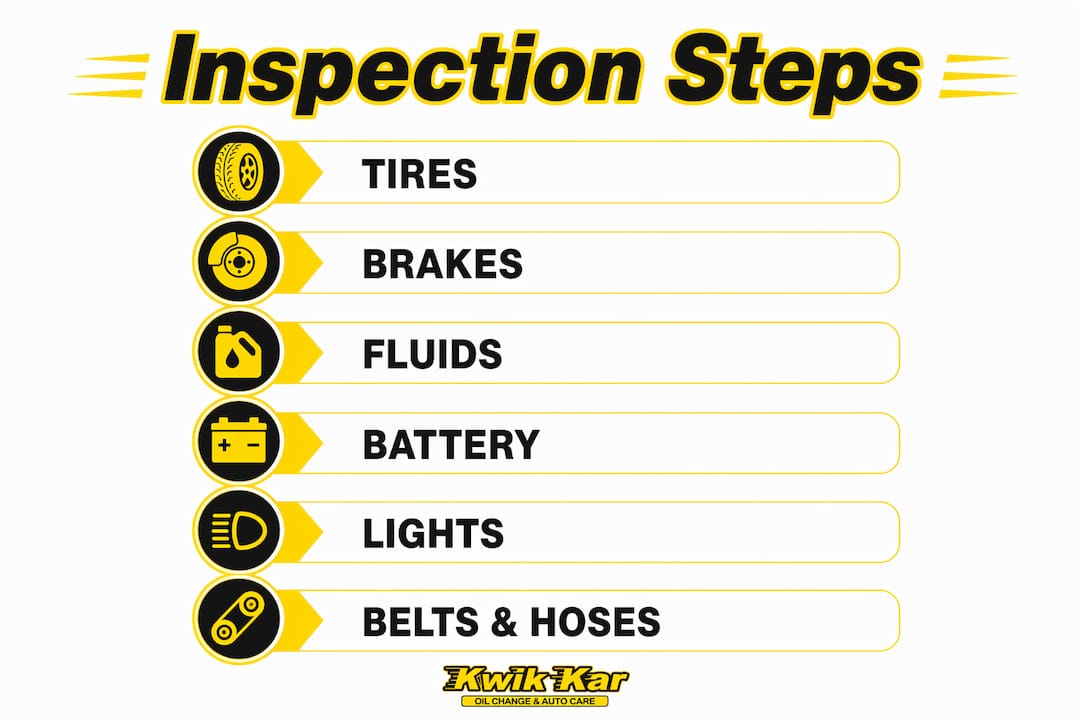
A standard free multi-point inspection covers the systems most directly tied to your safety and day-to-day reliability. Core safety components checked consistently include tires, brakes, fluids, battery, lights, wipers, belts, and hoses. That list may sound short, but each item represents a failure point that can strand you or cause an accident if ignored.
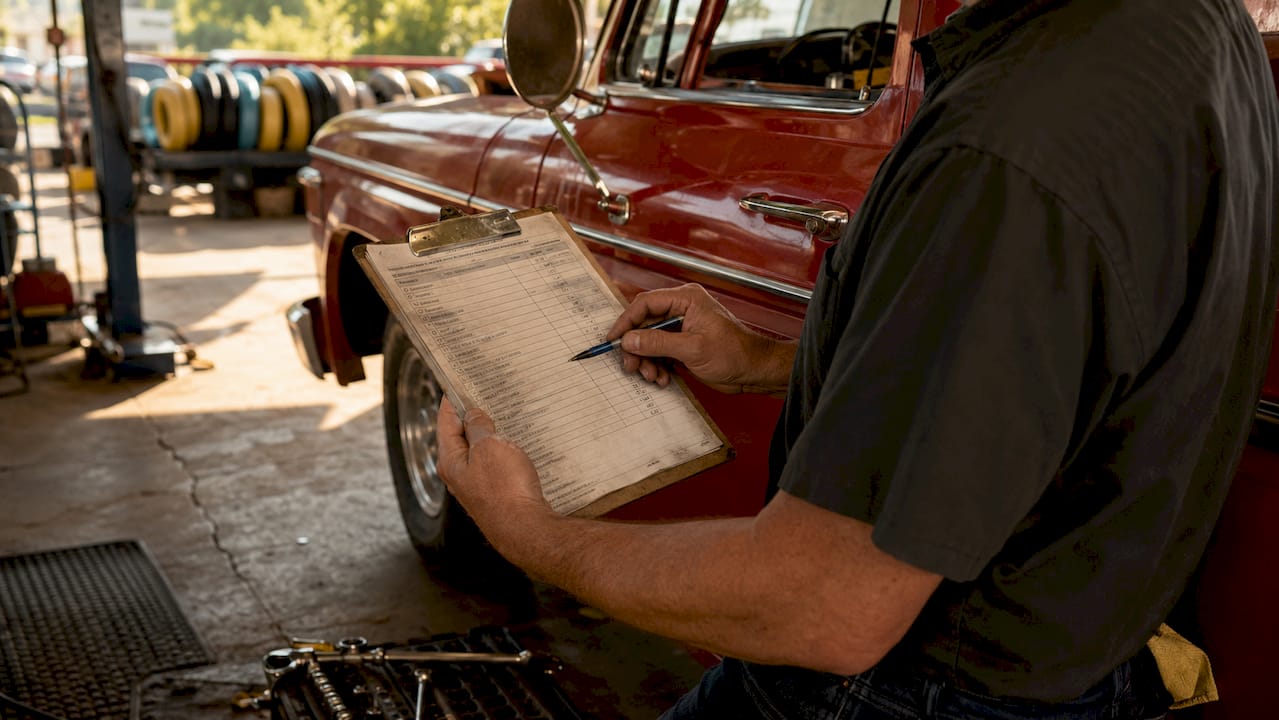
Here is what a technician typically checks during a free inspection:
- Tires: Pressure, tread depth, and visible sidewall damage. Low tread is one of the leading causes of wet-weather accidents.
- Brakes: Visual condition of brake pads and rotors through the wheel spokes. A technician can spot severely worn pads without removing the wheel.
- Fluids: Oil, coolant, transmission fluid, and brake fluid levels, plus any visible leaks under the hood or beneath the vehicle.
- Battery: Voltage and charging performance. A weak battery often shows no warning until it fails on a cold morning.
- Lights and wipers: Headlights, taillights, turn signals, and wiper blade condition. These are quick pass-or-fail checks.
- Belts and hoses: Visual inspection for cracks, fraying, or soft spots. A snapped serpentine belt can disable your entire vehicle instantly.
The full checklist covers major safety-related components without requiring any disassembly. That is the defining feature of a free inspection: it is entirely visual and non-invasive.
Pro Tip: Ask the technician to walk you through each item as they check it. Watching the process in real time helps you understand your car’s condition and builds trust with the shop.
What is not covered in a free vehicle inspection?
Free inspections have clear limits, and knowing those limits prevents frustration. Advanced diagnostics, internal engine or transmission disassembly, suspension alignment testing, and labor-intensive troubleshooting are all excluded from a standard free checkup. These services require specialized equipment, more time, and trained labor, which is why they carry a separate cost.
The following items fall outside the scope of a free inspection:
- OBD-II scan tool diagnostics: Reading fault codes from your car’s computer requires a scan tool and interpretation time. This is a paid service at most shops.
- Internal engine or transmission inspection: No disassembly means no look inside. A technician cannot assess piston rings, valve seals, or clutch packs visually.
- Suspension and alignment testing: Checking camber, caster, and toe angles requires a dedicated alignment rack. A visual glance at tire wear can hint at alignment issues, but it cannot confirm them.
- Detailed electrical testing: Diagnosing intermittent electrical faults, sensor failures, or wiring shorts goes well beyond a visual check.
- Root cause analysis: If a fluid leak is spotted, the free inspection identifies that a leak exists. Finding exactly where it originates often requires a paid diagnostic appointment.
Paid diagnostics typically cost $50–$100. That cost is worth it when a free inspection flags something that needs deeper investigation. Think of the free inspection as a triage tool, not a full diagnosis.
What are the benefits and risks of free vehicle inspections?
Free inspections deliver real value when used correctly. Early detection of worn brake pads, low coolant, or a failing battery can prevent breakdowns and far more expensive repairs down the road. Documented inspection records also help maintain your vehicle’s resale value by showing prospective buyers a history of proactive maintenance.
Transparency is the clearest benefit when a shop does things right. Reputable shops now use digital vehicle inspections (DVIs) to electronically document findings with photos and notes. That kind of written evidence puts you in control of the conversation about repairs.
The risk is equally real. Free inspections can function as a marketing tool designed to generate repair sales rather than purely serve your interests. A technician who flags five “urgent” repairs on a car that drives fine deserves some skepticism.
Here is how to protect yourself:
- Request a written report. Ask for a copy of every item checked and every issue noted. A shop that refuses to provide one is a red flag.
- Demand visual proof. Ask for photos or video of any wear or damage cited. Reputable shops provide this without hesitation.
- Never authorize repairs on the spot. Take the report home, review it, and compare findings to your owner’s manual before committing to anything.
- Verify with your maintenance schedule. Your owner’s manual lists service intervals for every major component. If a shop recommends a service that is not due yet, ask why.
- Get a second opinion. For any repair estimated above $200, a second quote from a different shop is time well spent.
“Free inspections are valuable safety tools, but they require consumer awareness to avoid misleading upsell tactics.” — Mechanic Insights
Pro Tip: Community safety fairs and dealership promotions sometimes offer unbiased free inspections outside of commercial repair shops. These events carry less sales pressure and can be a good starting point for an honest assessment.
How to prepare for a free vehicle inspection
Preparation turns a generic checklist into a targeted evaluation of your specific car. The most effective thing you can do before arriving is write down every symptom your vehicle has shown recently. Providing technicians a detailed symptom list improves inspection focus and reduces the risk of missed intermittent problems.
Follow these steps to get the most out of your appointment:
- List your symptoms in writing. Note any unusual noises, smells, warning lights, or handling changes. A vibration at highway speed and a vibration at low speed point to different problems entirely.
- Note when symptoms occur. “The brakes squeal only when cold” is far more useful than “the brakes make noise.” Specific timing helps the technician replicate the condition.
- Bring your maintenance records. Knowing your last oil change, tire rotation, and brake service helps the technician prioritize what to look at most carefully.
- Ask for explanations, not just conclusions. A good technician can show you a cracked belt or low fluid level directly. If they cannot show you the problem, ask why.
- Request a written checklist. Compare the shop’s findings against your car maintenance schedule to confirm whether recommended services are actually due.
Pro Tip: Before your inspection, check your tire pressure yourself using a gauge from any auto parts store. If the shop reports a very different reading, ask them to show you the measurement. This one step builds your confidence in the shop’s accuracy.
Key Takeaways
Free vehicle inspections cover visual checks of tires, brakes, fluids, battery, lights, belts, and hoses, but exclude advanced diagnostics, making them a reliable early warning tool rather than a complete diagnosis.
| Point | Details |
|---|---|
| Core coverage | Free inspections check tires, brakes, fluids, battery, lights, wipers, belts, and hoses visually. |
| Clear limitations | Advanced diagnostics, alignment testing, and internal disassembly require separate paid appointments. |
| Upsell awareness | Always request a written report and photo evidence before authorizing any repair. |
| Preparation matters | Bring a written symptom list to focus the inspection on your car’s actual concerns. |
| Long-term value | Documented inspection records support vehicle resale value and demonstrate proactive care. |
The honest truth about free inspections
At Kwik Kar Oil Change & Auto Care, we have seen both sides of this conversation. We have watched car owners walk away from free inspections confused, pressured, and no more informed than when they arrived. We have also seen owners catch a failing battery or a cracked belt before it became a roadside emergency, simply because they took 20 minutes for a checkup.
The shops that use free inspections as a pure sales funnel tend to share one trait: they rush through the process and hand you a repair estimate before you have asked a single question. That is not how a trustworthy inspection works. A good technician slows down, shows you what they found, and explains why it matters. They also tell you what looks fine, not just what needs attention.
My honest advice is to treat a free inspection the way you would treat a second opinion from a doctor. It is useful information, not a binding commitment. Verify the findings against your pre-trip vehicle inspection checklist and your owner’s manual. If the shop’s recommendations align with your maintenance schedule and they can show you the evidence, you have found a shop worth trusting. If they cannot explain their findings clearly or push you to approve repairs immediately, walk out and find someone who will.
Free inspections work best when you go in informed and leave with documentation. The inspection itself costs nothing. The knowledge you gain from it is worth far more.
— Kwik Kar
Vehicle maintenance resources from Kwik Kar Oil Change & Auto Care
Kwik Kar Oil Change & Auto Care serves Fort Worth drivers with transparent, certified service designed to take the guesswork out of car care.
After your free inspection, the next step is acting on what you learned. If the technician flagged low oil or mentioned your oil change is overdue, the signs your car needs an oil change guide walks you through exactly what to watch for. For car owners who want to stay ahead of repairs before they become expensive, the 2026 car care guide covers proactive maintenance strategies built around your vehicle’s actual needs. Kwik Kar’s RepairPal-certified technicians are ready to answer your questions and back every recommendation with clear, honest documentation.
FAQ
What does a free multi-point inspection check?
A free multi-point inspection covers tires, brakes, fluids, battery, lights, wipers, belts, and hoses through visual examination. It does not include computer diagnostics, alignment testing, or internal mechanical inspection.
How long does a free vehicle inspection take?
Most free vehicle inspections take between 15 and 30 minutes. The process is entirely visual, so no disassembly or diagnostic equipment is required.
Are free car inspections worth it?
Free inspections are worth it when you use them as an early warning tool and verify findings independently. They become a problem only when you accept repair recommendations without asking for written documentation or a second opinion.
How do I get a free vehicle inspection?
Repair shops, dealerships, and community safety events all offer free inspections. Call ahead to confirm availability, and bring a written list of any symptoms your vehicle has shown recently to focus the technician’s attention.
What should I do after a free vehicle inspection?
Review the written report the shop provides, compare findings to your owner’s manual maintenance schedule, and request photo or video evidence for any issues flagged. Authorize repairs only after you have verified the findings and, for larger jobs, received a second quote.