




When your brake pedal pulses under your foot as you slow for a parking lot, a stop sign or a stoplight, the cause is almost always one of three things: rotors that have uneven thickness, rust or corrosion on the rotor surface, or an ABS (anti-lock braking system) that is reacting to a wheel-speed signal. A shop can tell these apart by measuring the rotors and checking the ABS, and that is the fix that lasts. At Kwik Kar, 9613 White Settlement Rd, Fort Worth, TX 76108, our ASE-certified technicians inspect the whole brake system, not just the pads, so the pulse is traced to its source instead of guessed at.
TL;DR
- A pulsing pedal at low speed usually points to rotor thickness variation, surface rust, or a rotor that wobbles because of how the wheel was installed.
- A mild pulse with a firm pedal, no noises, no pulling and no warning lights is a reason to book an inspection soon. A sinking pedal, a warning light, grinding or a burning smell is a reason to stop driving.
- Machining or replacing rotors without measuring them first is a common reason the pulse returns.
- Fleet vehicles and rideshare cars should have the pulse checked right away, because brake performance affects stopping distance.
- We can inspect your brakes at our White Settlement Road shop, with a digital vehicle inspection that shows what we found.
Table of Contents
- What does a pulsing brake pedal actually mean?
- Why it happens at low speeds in particular
- The most common causes, from most to least likely
- How to tell the likely cause before you call a shop
- Is it safe to keep driving?
- What a proper brake inspection includes
- Resurface or replace? How the decision gets made
- Who should not wait: trucks, SUVs, rideshare and fleets
- Fleet vehicle brake inspection checklist
- Preventing a brake pulse
- Our view: measure first, then repair
- Get your brakes checked in West Fort Worth
- FAQ
- Sources
What does a pulsing brake pedal actually mean?
Your brake pedal is connected to hydraulic fluid. Each time a brake pad squeezes a rotor (the metal disc that spins with the wheel), the caliper piston behind the pad pushes against that fluid. If the rotor surface is not perfectly even, the piston is pushed in and out as the wheel turns, and you feel it as a throb in the pedal.
The pulse tends to get slower as you slow down, because the wheel is turning more slowly. That is why a low-speed stop can feel like a rhythmic thump, almost like driving over rumble strips, while a faster stop feels like a buzz.
Why it happens at low speeds in particular
Technicians separate two things that feel alike from the driver’s seat.
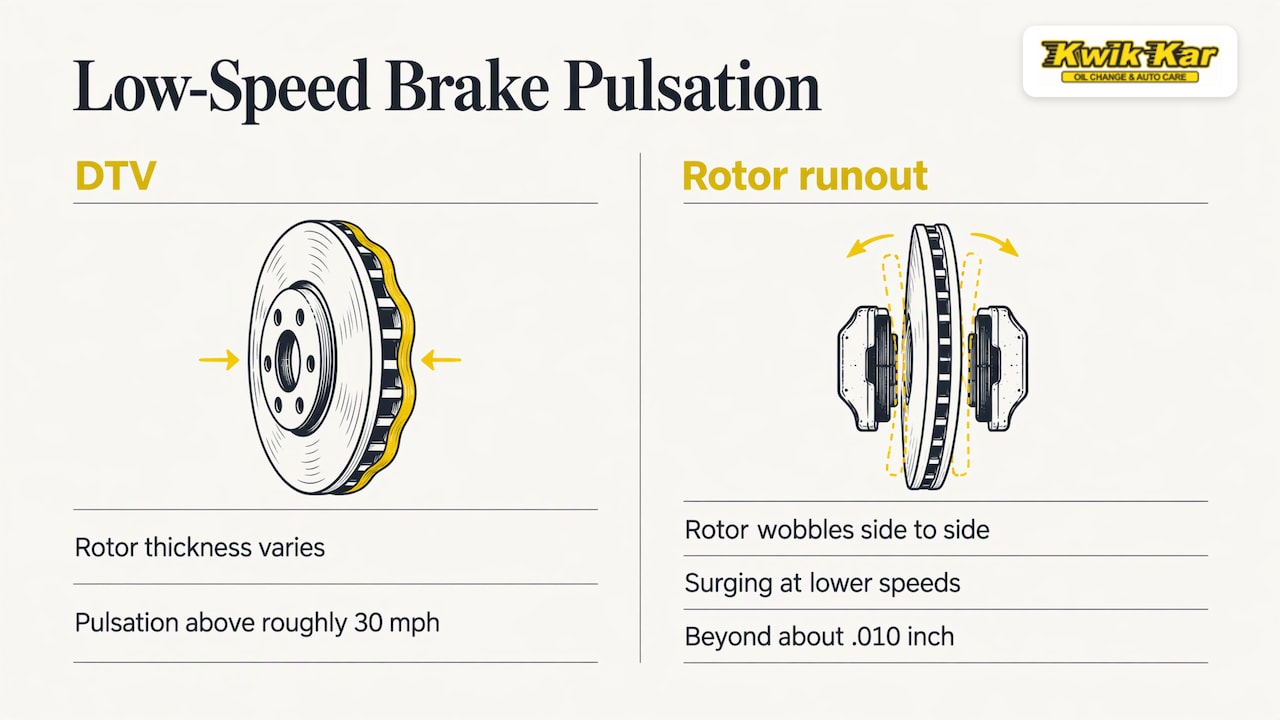
Disc thickness variation (DTV). This is the difference between the thickest and thinnest spots on a rotor as it spins. PowerStop defines it that way, and when thickness varies, the pads oscillate and the pedal pulses. In a classic case it shows up at higher speeds. UnderhoodService’s technical feature describes DTV pulsation as a symptom above roughly 30 mph.
Excess rotor runout. Runout means the rotor wobbles slightly side to side as it spins. The same technical feature explains that runout beyond about .010 inch tends to create a surging feeling at lower speeds. Runout is also how DTV gets started: a rotor that touches the pads at one point every turn wears unevenly over time.
So if your pedal pulses mostly when you are rolling in below 30 mph, runout, rust or a wheel-speed signal problem is more likely than the classic high-speed DTV pattern. A technician has to measure to be sure, which is why guessing and replacing parts rarely solves it.
The most common causes, from most to least likely
Rust and corrosion on the rotor face
Rotors are bare cast iron, so they rust. If a car sits, or if you mostly drive short, gentle trips, the pads never wipe the rotor clean. An Audi of America technical service bulletin filed with NHTSA in 2022 states that corrosion build-up on brake discs from moisture, humidity, prolonged parking or very light brake use can create thickness variation. For the models it covers, the bulletin prescribes a few firm ABS stops from above 50 mph with a cooldown drive in between, and replacing discs and pads if the condition persists.
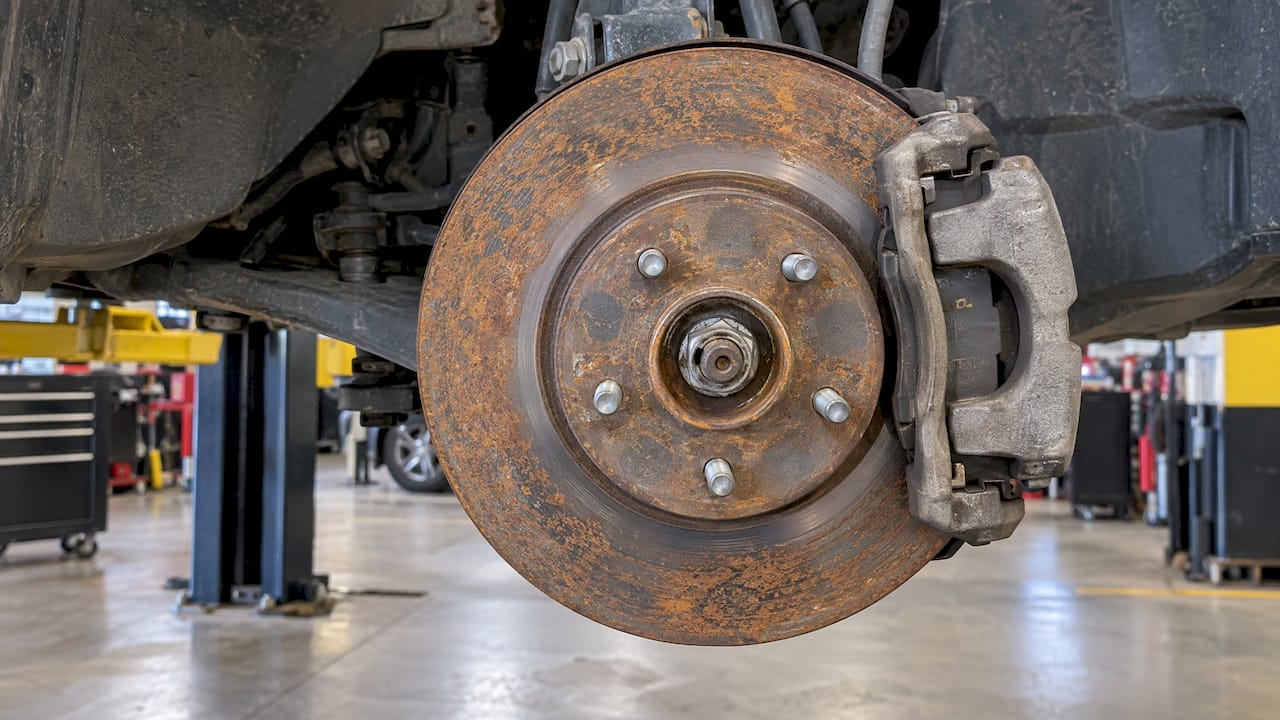
That is a manufacturer procedure for specific vehicles, not something to try on a busy road. Fort Worth’s humid spells, a pickup that sits in the driveway for a week, or a family SUV used mostly for short school runs can all set the stage. If the pulse is worst after a car has been parked and fades after a few stops, rust is a likely suspect. If it stays, the rotors need a proper look.
Rust and corrosion on brake parts are also why some owners look into caliper coating cost and quotes when they refresh their brakes. Coating is cosmetic and protective for the caliper, though. It does not correct a rotor that has already worn unevenly.
Rotors that wobble because of installation
Many drivers hear “warped rotors.” The more accurate story is often about how the wheel went on. Auto Service World, citing General Motors, reports that the single most common cause of warped rotors is improper wheel installation. Modern rotors are thinner, and over-tightened or unevenly torqued lug nuts can distort a rotor by as much as a tenth of a millimeter. That is enough to make it wobble between the pads and pulse the pedal.
A related source, Counter & Service, adds that loose or worn wheel bearings and dirty or corroded mounting flanges can cause the same runout. It also notes that repeat “warping” complaints often point to installation practices rather than defective rotors.
The practical lesson for you: if the pulse started soon after a tire rotation, a tire change or other wheel work, tell the technician. It narrows the search quickly.
Uneven pad material or overheated brakes
If you drive a loaded truck, tow a trailer or sit in heavy stop-and-go traffic on I-30 or Loop 820, the brakes see a lot of heat. Hot pads left pressed against a hot rotor can leave uneven deposits, which add to thickness variation. Heavy use is normal in this area. The point is that it makes regular brake inspections more valuable, not less.
ABS reacting at low speed
The ABS pulses the pedal on purpose when a wheel is about to lock, such as on wet pavement or gravel. If the pedal pulses on a dry, clean road at walking speed, the cause may be a worn rotor, a dirty or damaged wheel-speed sensor, or a damaged tone ring (the toothed ring the sensor reads). If your ABS light is on as well, see our guide on what to do when the ABS light comes on.
Worn or loose suspension and wheel parts
Steering or suspension wear can feel like a brake pulse. If the shake comes through the steering wheel instead of the pedal, or the car pulls to one side, the clue is where you feel it. We explain this in where the shake tells you the cause.
How to tell the likely cause before you call a shop
You cannot diagnose a brake system from the driver’s seat, but your observations help the technician. Note these:
| What you notice | What it often points to |
|---|---|
| Pulse after the car sat for days, fades after a few stops | Surface rust on the rotors |
| Pulse started after wheel or tire work | Uneven lug nut torque or a dirty mounting surface |
| Pulse mostly above 30 mph, buzz in the pedal | Rotor thickness variation |
| Surging feel at parking-lot speeds | Rotor runout |
| Pulse with the ABS light on | Wheel-speed sensor or ABS component |
| Steering wheel shakes, pedal is steady | Suspension, tires, or alignment |
| Pedal feels soft or sinks | Hydraulic problem, stop driving |
If the pedal feels soft, our 30 to 60 second hold test for a soft brake pedal explains what to look for.
Is it safe to keep driving?
A pulsing pedal is a safety issue, not just an annoyance. Auto Service World reports that even mild pulsation can influence ABS performance and lengthen braking distance in a panic stop, and that in marginal traction uneven braking can make a car harder to control.
Here is a simple way to decide:
Book an inspection soon if the pulse is mild, the pedal feels firm, the car stops straight, there are no noises, and no warning lights are on. AutoVerseUSA describes this as generally fine for a short trip to a shop.
Stop driving and arrange a tow if any of these appear:
- The pedal sinks toward the floor or feels spongy
- The brake or ABS warning light is on (see our guide to the brake warning light)
- You smell burning or hear grinding
- The car pulls hard to one side when braking
- The shaking is strong enough that the wheel is hard to control
If you are not sure, treat it as the second list. Brakes are not a part to test for a week.
What a proper brake inspection includes
A pulsing pedal is a measurement problem. The right fix depends on numbers, and a shop that skips them is guessing.
- Road test and symptom check. The technician feels the pulse for themselves and notes the speed and conditions.
- Wheel and hub check. Wheels come off, and the mounting surfaces, wheel bearings and lug nuts are checked, since runout can come from there.
- Rotor measurement. Motor magazine’s brake rotor guide says every rotor inspection should start with thickness readings at eight points around the rotor using a micrometer, compared with the nominal, machine-to and discard thickness. For the General Motors limits it lists, resurfacing is appropriate for lateral runout over 0.003 inch or thickness variation over 0.001 inch, and a rotor at or below discard thickness must be replaced. Specifications differ by manufacturer, so the correct figures come from your vehicle’s service information.
- Pads, calipers and hardware. Sticking caliper slides or uneven pad wear can cause or speed up the problem.
- Brake fluid and ABS check. Old fluid affects pedal feel and braking performance. Our guide to the purpose of brake fluid explains why it matters. If an ABS light is on, the wheel-speed sensors and codes are scanned with diagnostic equipment.
- Repair plan. Depending on the findings: cleaning and proper torque, resurfacing, or replacing rotors and pads as a set.
At Kwik Kar, we use digital vehicle inspections so that you see what the technician saw. If you want to understand the rotor part yourself, we have a walkthrough on how to inspect brake rotors.
Resurface or replace? How the decision gets made
The answer is not “always one or the other.” It follows the measurements.
- Resurfacing removes a thin layer to make the rotor flat and parallel again. It only works when enough metal remains above the minimum thickness stamped on the rotor.
- Replacement is the choice when the rotor is at or below its discard thickness, deeply grooved, or cracked. Motor magazine notes that a below-discard rotor with worn pads can even let the caliper piston fall out of its housing, which is a good reason not to push brake parts past their limits.
- Pads are generally replaced with rotors, since new pads on an uneven rotor can start the cycle again.
A repair is only as good as the setup. UnderhoodService’s author argues that machining done on a lathe with unverified runout is a leading cause of pulsation coming back after a repair. Installing the new parts with clean mounting surfaces and an even, specified lug nut torque protects the repair. For what this typically costs, see our brake rotor replacement cost guide.
Who should not wait: trucks, SUVs, rideshare and fleets
Some vehicles ask more of their brakes.
- Trucks and SUVs are heavier, and towing adds more load. A pulse is a sign to inspect before the next hauling trip or highway road trip.
- Uber, Lyft and delivery drivers make constant stops with passengers or cargo aboard. A pedal pulse means lost time and a safety question you cannot afford.
- European vehicles often have specific rotor and pad requirements and specialized procedures. See why European vehicles need specialized tools.
- Families carrying kids should treat any new brake sensation as a prompt to inspect, not to wait for the pulse to get worse.
Fleet vehicle brake inspection checklist
If you manage vehicles, a pedal pulse reported by a driver should be logged and inspected, not carried along until the next service. A practical checklist for routine and pre-trip checks:
Driver checks before each trip
- Pedal feels firm and does not sink under steady pressure
- No brake or ABS warning lights after startup
- Vehicle stops straight, with no pulling
- No new pulse, grinding, squealing or burning smell
- Brake lights work when the pedal is pressed
- Any change is reported to the fleet manager the same day
Technician checks at scheduled service
- Pad thickness at each wheel (our guide on minimum brake pad thickness explains why we recommend replacing at 3 mm)
- Rotor thickness, runout and surface condition
- Calipers, slides, hoses and brake lines for leaks or damage
- Brake fluid condition
- Wheel bearings, lug nut torque and mounting surfaces
- ABS sensors and codes
For commercial vehicles, Texas also requires a safety inspection. The Texas Department of Public Safety states that all commercial vehicles in all counties still need a passing safety inspection, even though non-commercial vehicles no longer do as of January 1, 2025. Emissions tests still apply in emissions counties, which includes Tarrant County. A routine brake check is a sensible step before an inspection.
Our fleet maintenance and repair service covers multi-vehicle accounts with consolidated billing, so brake checks across several vehicles can be handled in one place.
Preventing a brake pulse
No schedule fits every vehicle, so use your owner’s manual for intervals. A few habits help in any case:
- Drive the car regularly. Long parking lets rust form on the rotors.
- Ask for proper lug nut torque whenever wheels come off, including tire rotations and tire changes.
- Replace pads before they wear down to the metal. Late replacement damages rotors.
- Change brake fluid by the manufacturer’s schedule. See why changing brake fluid matters.
- Prepare for Fort Worth summers and traffic. Heat and stop-and-go driving add wear, so inspect before a long road trip.
Our view: measure first, then repair
We see brake pulsation as a measurement question, not a replacement reflex. The term “warped rotor” covers several different problems: rust, uneven thickness, a wobbling rotor from wheel installation, or a signal issue in the ABS. Each one has a different fix.
That is why we inspect brakes as part of a full-service repair shop. Our ASE-certified technicians use professional diagnostic equipment and digital vehicle inspections, and we are RepairPal certified and CARFAX Top-Rated. You get a clear explanation of what was found and why a repair is needed.
Qualifying repairs at our shop carry a 24-month/24,000-mile warranty. We would rather fix the cause once than sell a part twice.
Kwik Kar
Get your brakes checked in West Fort Worth
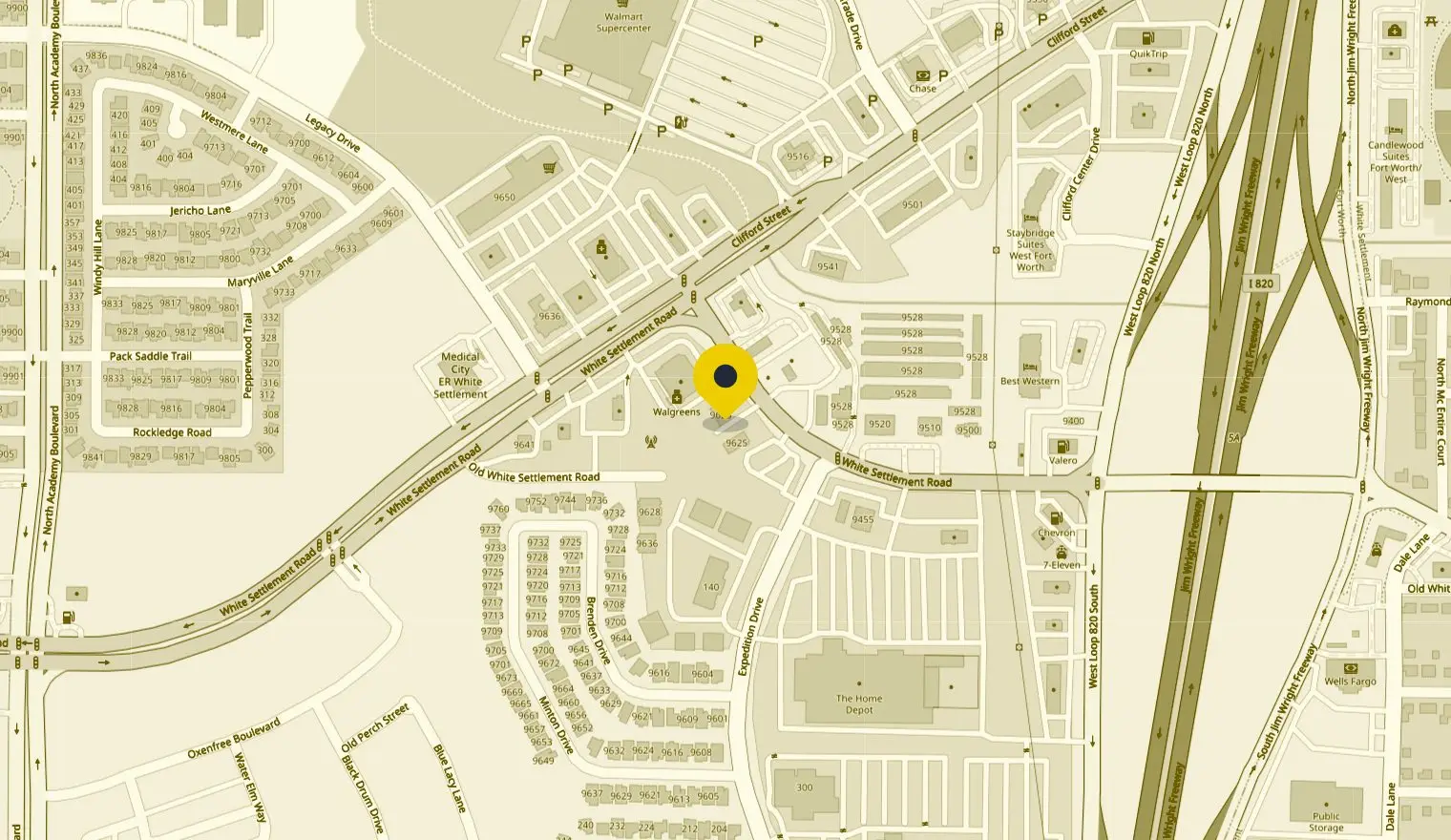
If your pedal pulses at low speeds, our shop is at 9613 White Settlement Rd, Fort Worth, TX 76108, and we serve drivers from White Settlement, Westworth Village, Westover Hills, River Oaks, Lake Worth and Benbrook. We offer brake pad and rotor replacement, engine diagnostics, and wheel alignment, tires, and suspension work under one roof, so a brake complaint that turns out to be something else does not send you elsewhere. See our full list of services, check current brake service coupons, or schedule your brake inspection.

You can also find us at kwikkarwhitesettlement.com.
FAQ
Why does my brake pedal pulse only when I slow down for a stop sign?
The rotor surface is likely uneven, rusty or wobbling, which makes the pad push the caliper piston in and out as the wheel turns. A wheel-speed sensor problem can also trigger the ABS at low speed. A technician should measure the rotors and check the ABS to tell which.
Can rust make the brake pedal pulse?
Yes. Moisture, humidity, long parking or very light braking can leave corrosion on the rotor face, and a technical service bulletin from Audi describes it creating thickness variation. If the pulse fades after a few normal stops, rust may be the cause. If it stays, have the rotors measured.
Is a pulsing brake pedal dangerous?
It can be. Pulsation can affect ABS performance and increase stopping distance in an emergency stop. If the pedal sinks, a warning light is on, or you hear grinding or smell burning, stop driving and arrange a tow.
Do I need new rotors, or can they be resurfaced?
It depends on measurements. A rotor with enough thickness above its minimum can often be resurfaced, while one at or below its discard thickness must be replaced. A technician checks thickness at several points and measures runout before deciding.
Do Texas safety inspections check my brakes now?
Not for most personal vehicles. As of January 1, 2025, non-commercial vehicles no longer need a state safety inspection, though emissions tests still apply in emissions counties like Tarrant County. Commercial vehicles still need a passing safety inspection.
Sources
- Texas DPS: Vehicle Safety Inspection Program Changes Now in Effect
- NHTSA technical service bulletin, Audi of America, 2022
- UnderhoodService: Solving Brake Pedal Pulsation Complaints
- Auto Service World: Brake Pedal Pulsation
- Counter & Service: Selling and Diagnosing Automotive Brake Rotors
- Motor magazine: Brake Rotors
- PowerStop: Why Do I Have a Pulsing Brake Pedal?
- AutoVerseUSA: Why Is My Car Shaking When Braking?