

A used car pre-purchase inspection is an independent mechanical and safety audit performed by a technician who has no stake in the sale, and it turns a decision based on gut feeling into one based on evidence. This inspection, commonly shortened to PPI, catches the frame damage, transmission wear, and hidden fault codes a test drive alone will never reveal. Consumer Reports puts typical mechanic diagnosis costs around $100 to $150, with a full PPI often landing between $100 and $300 depending on how deep the shop goes.
Here’s what to do right now if you’re eyeing a used car:
- Find an independent shop with ASE-certified technicians. Don’t rely on the seller’s mechanic.
- Insist on a lift inspection, a full module scan, and a real road test. Nothing less counts as thorough.
- Ask for a written report with photos before you hand over any money.
Pro Tip: A $150 inspection that reveals a $3,000 transmission problem just saved you $2,850 and gave you a walk-away card to play.
Key Takeaways
An independent pre-purchase inspection with a lift check, full module scan, and road test is the most reliable way to avoid an expensive used-car mistake.
| Point | Details |
|---|---|
| Cost stays modest | Expect $100 to $322 depending on depth, according to Consumer Reports and RepairPal. |
| Lift and scan are non-negotiable | Skip any inspector who won’t put the car on a lift or scan every module, not just the engine. |
| Seller resistance is a red flag | A seller who won’t allow an independent inspection is often hiding a known issue. |
| Use the report to negotiate | Present written repair estimates and prioritize safety-critical findings when asking for a price cut. |
| Kwik Kar offers full-scope inspections | Kwik Kar Oil Change & Auto Care provides ASE-certified technicians, lift access, full scans, and written reports with transparent pricing. |
Table of Contents
- What Does a Used Car Inspection Checklist Cover?
- Where Should You Get a Pre Purchase Car Evaluation?
- How Do You Schedule a Used Car Inspection?
- Who Should Perform Your Vehicle’s Inspection?
- What Should You Do With the Inspection Report?
- Get Your Used Car Inspected Before You Sign Anything
- Sources
- FAQ
What Does a Used Car Inspection Checklist Cover?
A real pre-purchase vehicle review isn’t a walk around the car with a flashlight. It’s a systematic pass through every system that could leave you stranded or bleeding money six months from now. Here’s what should be on the list.
Exterior: panel gaps and mismatched paint depth (signs of prior collision repair), tire wear patterns, glass condition, and any telltale flood indicators like water lines in the trunk or headlight housings.
Interior and safety systems: seat belt retraction, airbag warning lights, HVAC performance, infotainment function, and musty odors or silt residue that suggest flood damage even after a thorough detailing.
Mechanical condition: fluid leaks, transmission shift quality, brake pad thickness, suspension bushings, and fluid color and smell, since burnt transmission fluid or milky oil both point to expensive repairs ahead.
Electronic diagnostics: a scan of every module, not just the engine computer. J.D. Power notes a proper PPI includes a comprehensive scanner check across all vehicle systems, plus a look at open recalls.
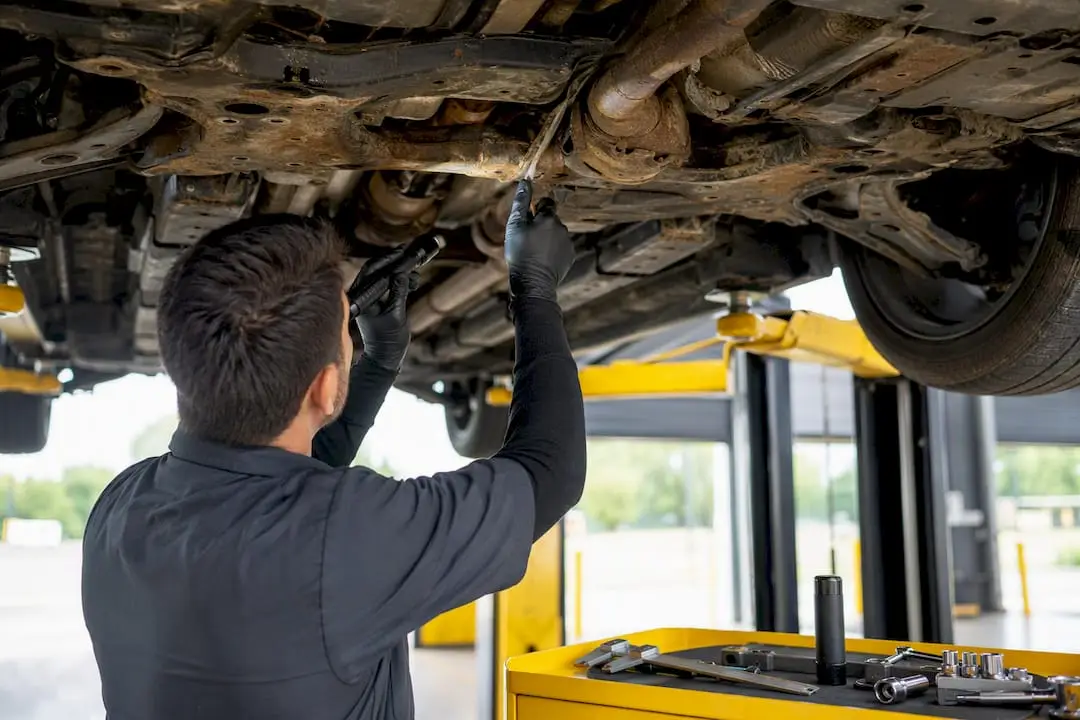
Underbody and lift inspection: frame measurements, structural rust, exhaust integrity, and drive axle condition. This is where a mobile, photo-only inspection tends to fall short, since you can’t judge frame geometry from a driveway.
Road test: how the car shifts, whether it hesitates or slips under load, unusual noises over bumps, and how quickly the cabin heats or cools.
A quality pre purchase vehicle report sorts every finding into severity tiers, safety-critical, near-term, and cosmetic, and pairs each one with a repair-cost estimate. Practitioner analysis from Chariotz suggests a thorough PPI often flags the kind of issues that run $1,500 to $4,000 to fix, exactly the surprises a rushed 30-minute inspection tends to miss.
Where Should You Get a Pre Purchase Car Evaluation?
The setting you choose changes what the inspection can actually catch. An independent shop gives you full lift access, proper diagnostic tools, and time to dig into anything unusual, though you’ll need to bring the car in or arrange a drop-off.
A mobile inspector works well for private-party deals or long-distance buys, but confirm ahead of time whether they carry a portable lift or scanner capable of pulling codes from every module, not just the engine.
Dealership inspections can be convenient for certified pre-owned vehicles, but the shop performing the inspection has a financial interest in the sale going through. An independent second opinion is worth the extra step.
For rare or luxury vehicles, a make-specific specialist matters. European platforms often require manufacturer-level diagnostic software that a general shop simply doesn’t carry.
How Do You Schedule a Used Car Inspection?
Getting a used car inspected follows a predictable sequence, whether you’re buying locally or sight unseen.
- Narrow your choice to one or two vehicles before requesting an inspection. Sellers rarely agree to multiple PPI appointments for a car they haven’t committed to.
- Ask the seller for permission, the VIN, service records, and title status up front.
- Book a shop or mobile inspector with lift access and full-system scanning capability.
- Coordinate a time that works for a test drive as part of the visit.
- Bring ID, any deposit receipt, and the seller’s contact information to the appointment.
If a seller resists an independent inspection, treat it as a warning sign. Autotrader points out that reputable sellers typically welcome third-party scrutiny, while resistance often signals something they’d rather you not find.
- For out-of-state or online purchases, hire a local mobile inspector at the seller’s location, or use a platform that conditions payment on inspection results.
- Complete the inspection before any return window closes.
- Expect about an hour or more at a shop, with a written report often available the same day.
Who Should Perform Your Vehicle’s Inspection?
Not every mechanic is equipped to catch what matters. Look for a shop staffed with an ASE-certified technician, since that credential signals training across the systems a PPI actually touches, brakes, electrical, engine, and suspension alike.
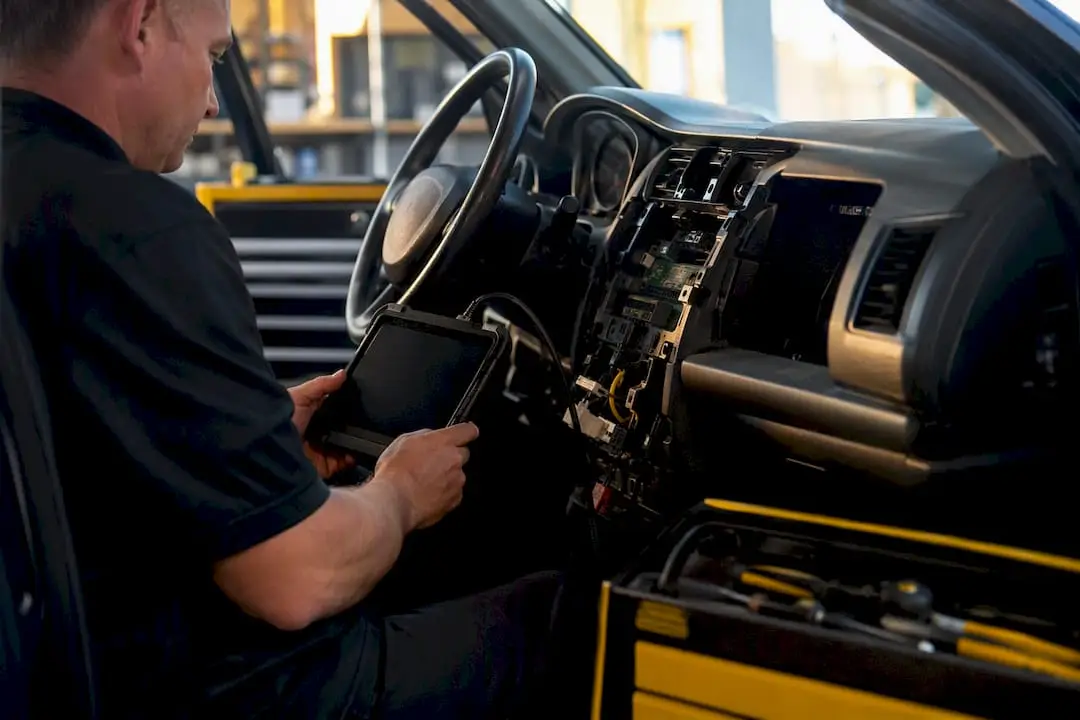
Before booking, ask three questions: Will the car go on a lift? Will you scan every module, not just the engine? Will I get a written report with photos and repair-cost estimates?
Walk away from any inspector who offers a quick drive-around with no lift time, refuses to hand over photos, or can’t explain how they’ll scan the vehicle’s electronics. NerdWallet recommends choosing a technician familiar with the specific make and model, since platform familiarity improves the odds of catching failure patterns unique to that vehicle.
For a certified mechanic near you, look for transparent pricing and a shop willing to walk you through findings line by line rather than handing you a vague summary.
Pro Tip: Ask the inspector to send photos mid-inspection, before you commit to a deposit. A shop that hesitates on this usually has nothing to hide, and one that refuses usually does.
What Should You Do With the Inspection Report?
A written report is only useful if you know how to act on it. Certain findings are automatic deal-killers: structural frame damage, confirmed flood history, or a transmission showing early failure signs on the road test.
For everything else, run through a simple checklist:
- Safety-critical failure? Walk away.
- Repair estimate exceeds what the seller will discount? Negotiate hard or move on.
- Minor cosmetic or wear items? Request a small price reduction or ask the seller to fix them first.
- Present the written repair estimate, not a verbal guess, when you negotiate.
- Lead with safety items first; sellers take those more seriously than cosmetic complaints.
- Use local labor rates to back up your numbers.
A clean report lowers your risk. It doesn’t guarantee the car will never need work, so factor in warranty coverage or a return policy wherever one is available.
Why an Independent Inspection Earns Its Cost
A well-run PPI routinely pays for itself the first time it catches a failing transmission or a flood-damaged interior. Insist on lift access, a full module scan, and a real road test, and choose someone who knows the platform you’re buying.
Get Your Used Car Inspected Before You Sign Anything
You’ve seen what a thorough inspection requires: lift time, a full diagnostic scan, a real road test, and a written report you can actually use. That’s precisely what Kwik Kar Oil Change & Auto Care delivers for Fort Worth buyers who want a straight answer before they commit thousands of dollars to a used car.
Our technicians hold ASE certification and the shop carries RepairPal recognition, so you’re not relying on a stranger’s word about what’s wrong with the car. You’ll get itemized findings, photo documentation, and repair-cost estimates you can hand straight to the seller during negotiation, with pricing explained before any work begins. Call ahead or book online to schedule a lift inspection, module scan, and road test in one visit, and walk into your purchase decision with a report in hand instead of a hunch.
Sources
- How do you get a pre-purchase inspection when buying a used car
- Pre-Purchase Car Inspection Cost Estimate
- How Does a Pre-Purchase Inspection for Cars Work? – NerdWallet
- How do you get pre-purchase inspection buying used car – Autotrader
FAQ
Is It Worth Getting a Pre-Purchase Inspection on a Used Car?
Yes. A $100 to $300 inspection routinely catches issues that cost $1,500 or more to repair, giving you either grounds to walk away or leverage to negotiate the price down.
What Is the $3,000 Rule for Cars?
It’s a rough guideline some buyers use: if repair estimates from an inspection exceed roughly $3,000, or a significant share of the car’s value, it’s usually smarter to walk away than to buy and fix it.
Should I Get an Inspection Before Buying a Used Car?
Always arrange an independent inspection before finalizing a used-car purchase, even if the seller says the car is “mechanic-checked.” A third-party PPI protects your interests, not the seller’s.
How Do I Get a Pre-Purchase Inspection on a Used Car?
Choose an ASE-certified shop or a vetted mobile inspector, get the seller’s permission and VIN, and book an appointment that includes a lift check, full module scan, and road test, typically about an hour or more with same-day results.