So, how long do oil changes take? You'll often hear a quick-lube shop can get you out in 15 to 20 minutes, while a dedicated auto care center or dealership might take closer to 45 or even 60 minutes. But the real question isn't just about how long you'll be waiting—it's about what you’re getting for that time.
Setting Your Expectations for Service Speed

The time your oil change takes really comes down to the kind of service you’re after. It's a bit like grabbing lunch: you can get a drive-thru burger in five minutes or sit down for a meal that takes a half-hour. Both will fill you up, but the experience and what you get out of it are totally different.
A lightning-fast oil change is all about speed. It covers the bare essentials—draining the old oil, swapping the filter, and pouring in the new stuff. This can be perfect if you’re short on time and know your car is in good shape.
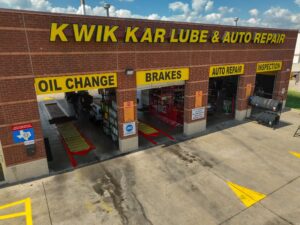
On the other hand, a full-service oil change at a shop like Kwik Kar Fort Worth is more like a mini-physical for your vehicle. That extra time gives our certified technicians a chance to perform a thorough multi-point inspection, which is your best bet for catching small problems before they snowball into major, expensive repairs. If you're curious, we have a complete guide to the different oil change types and what's included with each.
Key Takeaway: The time difference between a 15-minute express service and a 60-minute full service isn't about technicians working slowly; it’s about the depth of care and inspection your vehicle receives.
To help paint a clearer picture, here’s a quick look at what you can expect from different kinds of service centers.
Estimated Oil Change Times by Service Type
This table breaks down the typical time commitment and what you generally get at each type of location.
| Service Location Type | Estimated Time Range | What's Typically Included |
|---|---|---|
| Quick-Lube Chain | 15–25 minutes | Oil & filter change, basic fluid top-off. |
| Full-Service Auto Center | 30–45 minutes | Oil & filter change, multi-point inspection, tire rotation, fluid checks. |
| Dealership Service Center | 45–60+ minutes | Comprehensive service, specific vehicle checks, potential software updates. |
The Real Difference Between Speed and Service
When you're deciding where to get an oil change, that promise of a 15-minute service can be tempting. We all have busy lives. But it's worth taking a moment to understand what really goes into that time, because the difference isn't just about the clock—it’s about two completely different approaches to car care.
A rapid-fire, quick-lube shop is built entirely around volume. Their main goal is to cycle cars through the service bay as fast as humanly possible, often treating the oil change as a low-margin "loss leader." This strategy gets you in the door, but it's a model based on pure efficiency. A typical quick-lube bay might push through six oil changes an hour, relying on that fast turnover to create chances for higher-priced upsells. You can see a great breakdown of this high-volume business model in this detailed video explanation.
The Value of Extra Time
On the other hand, a full-service auto care center like Kwik Kar operates on a totally different philosophy. That extra 15 to 30 minutes isn't wasted time—it's a direct investment in your vehicle's long-term health. It gives our ASE-certified technicians the breathing room to perform a thorough multi-point inspection, a crucial step that often gets overlooked in a rush. This isn't just about swapping out old oil; it’s about preventing problems down the road.
A longer service time isn't a sign of inefficiency. It's a clear indicator of a more thorough process, where technicians have the time to do the job right and look for potential issues that could leave you stranded later.
With this extra window of time, our technicians can properly:
- Check and top off all of your vehicle's essential fluids, not just the most obvious ones.
- Inspect your tires for uneven wear and ensure they're inflated correctly.
- Look over critical belts, hoses, and filters for signs of cracking or aging.
- Test your car's battery to make sure it’s holding a solid charge.
This is exactly why a full-service oil change gives you so much more than just fresh lubricant—it delivers genuine peace of mind. This trade-off between speed and quality isn't just an auto-care thing. For instance, the difference between a quick rinse and a proper detailing versus car wash shows the same principle at work. When your car's safety and reliability are at stake, faster definitely isn't always better.
What Happens During A Quality Oil Change
You might picture a quick drain-and-fill, but a quality oil change is a lot more involved. Ever wondered what our technicians are actually doing under your car? Understanding the steps helps make it clear why a thorough job can't be squeezed into just a few minutes. It’s a careful process designed to protect the single most important part of your vehicle: the engine.
First thing’s first: safety. We carefully drive your vehicle onto a service lift and raise it, giving the technician full access to the undercarriage. They'll then place a large catch pan underneath and remove the engine’s drain plug, letting all the old, dirty oil drain out completely. Getting as much of that old, contaminated lubricant out as possible is one of the most important parts of the whole service.
The Core Steps of the Service
While the last of the old oil is dripping out, the technician gets to work on replacing the oil filter. They'll swap the old one for a brand-new filter that perfectly matches your vehicle's specs. This is a critical detail—using the wrong filter can cause major problems, from poor oil flow to messy leaks.
Once all the old oil is out, the drain plug is cleaned and screwed back in. We then torque it to the exact manufacturer's specifications. This step is crucial for creating a perfect seal that prevents leaks without stripping the threads on your oil pan.
Finally, your vehicle is lowered back down and refilled with the correct type and amount of fresh, clean oil. Getting the oil grade and volume right is absolutely vital for your engine’s health. The tech will then start the engine for a moment to let the new oil circulate, double-check for any leaks around the new filter and drain plug, and make sure the oil level is perfect. The last step is resetting your car’s maintenance light, and you're good to go.
This chart gives you a great visual breakdown of a quick-lube job versus the more detailed steps we take during a quality service.

As you can see, a quality service builds in those essential checks and precision steps. It’s these details that are often skipped in a faster, more basic oil change, and they make all the difference in protecting your engine for the long haul.
What Makes an Oil Change Take Longer Than Expected?
You’ve planned your day around a quick 30-minute oil change, but an hour ticks by, and you’re still in the waiting room. So, how long do oil changes take when things don't go exactly as planned? Several common factors can turn a quick pit stop into a longer service, and knowing what they are helps set the right expectations from the start.
Think of it like this: some cars are a straightforward, three-item checkout, while others are like a full grocery cart with a stack of coupons. Your vehicle service is no different. A longer wait doesn't automatically mean something is wrong.
Often, a delay is just a sign that a thorough technician has run into a common variable—whether it’s a tricky part or an unexpected issue they found during the inspection.
Here are the most frequent reasons your service might take a bit longer than the baseline estimate.
- Your Car’s Unique Design: Some vehicles, especially certain European or high-performance models, are built with skid plates that have to be removed first. Others have oil filters tucked away in tight, hard-to-reach spots. That extra labor naturally adds time to the job.
- The Shop’s Schedule: A Saturday morning is prime time for auto care. If you walk in during a peak rush without an appointment, there will likely be a line for an open service bay.
- Adding Other Services: Bundling a tire rotation, air filter replacement, or a brake check is a smart way to get more done at once. Just remember, each task you add will extend the total service time.
When a Technician Finds Another Issue
By far, the biggest thing that can extend your wait is when a technician discovers an unexpected problem during the inspection. A quality oil change always includes a multi-point inspection, and that's a good thing. If they spot a badly worn serpentine belt, a nail in your tire, or a severely clogged air filter, they have a professional duty to let you know.
This is a critical moment. A trustworthy shop will pause the work, show you exactly what they found, and explain the risks of leaving it unaddressed. They'll give you a clear estimate for the fix so you can make an informed choice.
Agreeing to the additional work will add time, but it’s time spent preventing a potential breakdown or a much more expensive repair down the road. It’s a core part of a quality service designed to keep you safe—not just a way to pad the bill.
Why You Are Getting Oil Changes Less Often
If you grew up hearing the old “3,000-mile rule” for oil changes, you’re not alone. But for most modern cars, that advice is officially a thing of the past. The days of frequent, low-mileage oil changes are over, thanks to some incredible leaps in engine technology and oil chemistry.
So, while you might still wonder how long do oil changes take, the more important question has become how often you really need one.
Modern engines are built to run cleaner and hotter than their predecessors, and they demand a lot from their oil. To meet these needs, manufacturers created powerful synthetic oils. These aren't your grandpa's conventional oils; they're engineered to resist breaking down under high heat, prevent nasty sludge buildup, and keep your engine protected for way longer.
The New Standard for Oil Changes
The result? The recommended time between oil changes has stretched out significantly. Most automakers moved away from the 3,000-mile standard years ago, instead suggesting service every 7,500 or even 10,000 miles. Today, it’s not unusual for new cars to have recommended intervals between 5,000 to 15,000 miles. Some advanced synthetic oils are even guaranteed for up to 20,000 miles. You can learn more about the evolution of these service intervals and see just how far things have come.
Many modern vehicles now feature an Oil Life Monitoring System (OLMS). This isn't just a simple timer. It’s a smart system that analyzes your actual driving habits—like your average trip length, engine temperature, and RPMs—to calculate your oil's remaining lifespan and tell you exactly when it's time for a change.
This technology takes all the guesswork out of maintenance. Instead of just looking at a generic mileage sticker on your windshield, your car tells you what it needs based on how you actually drive. With more time between visits, each oil change becomes an even more crucial opportunity for a thorough vehicle inspection.
Your Guide to Service at Kwik Kar Fort Worth

When you're looking for an oil change in Fort Worth, you need a shop that respects your time but never compromises on quality. That’s exactly what we do here at Kwik Kar. We know you have a busy schedule, and our goal is to get you back on the road safely without taking shortcuts.
So, how long do oil changes take at our shop? You can typically expect a standard oil change, which includes our complimentary multi-point vehicle inspection, to take about 30 to 45 minutes. We think of this time as an investment in your car's health and your own peace of mind. While you wait in our comfortable seating area, our technicians are giving your vehicle the attention it deserves.
Our team is made up of ASE-certified technicians who believe in doing things the right way. We focus on meticulous, transparent work, not just on getting cars in and out as fast as possible.
Getting In and Out Faster
While we always do our best to accommodate walk-ins, scheduling an appointment is your surest bet for a quick turnaround. Setting up a time guarantees your spot in the service bay and helps you skip the line, especially during our peak hours.
This commitment to thoroughness is central to how we operate. If you're curious about what goes into our pricing and the value we offer, take a look at our guide to the Kwik Kar oil change cost.
Frequently Asked Questions About Oil Changes
We get a lot of great questions from drivers about the oil change process. To help you feel confident and prepared, here are answers to a few we hear all the time.
Do I Need an Appointment for an Oil Change?
While we always do our best to accommodate walk-ins, scheduling an appointment is the surest way to get in and out quickly. An appointment secures your spot in the service bay, which is a huge time-saver during our busier periods like weekends and late weekday afternoons.
Can I Wait at the Shop During the Service?
Of course! We invite you to relax in our clean and comfortable waiting area while we work. A standard service here at Kwik Kar Fort Worth typically takes around 30 to 45 minutes, so most of our customers find it easy to wait on-site.
Our Policy on Unexpected Issues: We believe in 100% transparency. If our complimentary inspection reveals another issue—like low tire tread or a dirty air filter—we will stop, inform you immediately, explain the problem, and provide a clear, no-obligation estimate. We never perform additional work without your explicit approval, ensuring you are always in control of your vehicle’s service.
Ready for a high-quality oil change performed with expertise and integrity? The ASE-certified team at Kwik Kar Oil Change and Auto Care is here to help. Schedule your service online or visit us today!