



Differential service can be as simple as a $100 to $150 fluid change, but once wear turns into repair, costs can jump to $1,000 or more. That's why the smartest move is figuring out whether your vehicle needs an inspection, a routine service, or immediate repair before the problem gets expensive.
A lot of drivers start searching for differential service near me after the same moment. You hear a low whine on the highway, feel a vibration when you accelerate, or notice a leak near the axle and wonder if it's serious or something that can wait.
Most of the time, the differential doesn't fail without warning. It gives clues. The problem is that many service pages don't help you sort those clues into a real decision. They tell you the service exists, but not whether you need fluid, a seal, or a deeper inspection. That's where a clear explanation matters, especially in Fort Worth where heat, towing, stop-and-go driving, and high-mileage vehicles all put extra load on drivetrain parts.
Your Guide to Differential Service in Fort Worth
That strange noise from the rear of the vehicle isn't something to brush off for a month and hope it disappears. Differential problems usually start small. Old fluid, a seep at a seal, or early bearing wear can feel minor at first, but they can turn into a much more expensive drivetrain repair if nobody checks them.

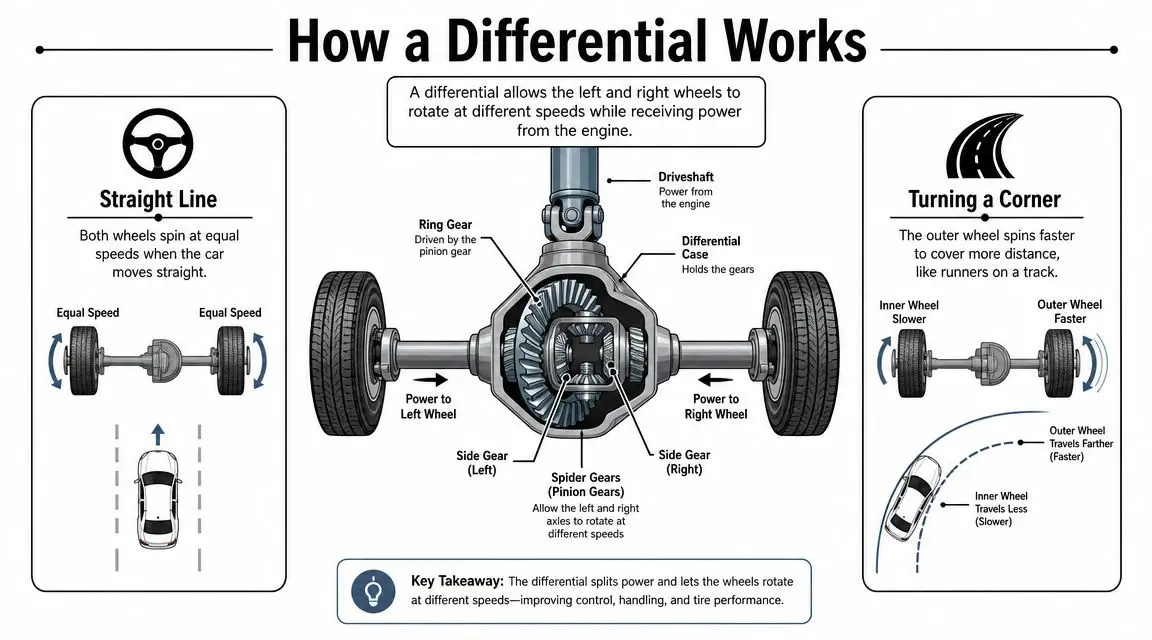
The differential has one job that matters every time you turn. It transfers engine torque to the wheels while allowing the outside wheel to rotate faster in a turn. When the gear oil breaks down, friction and heat go up, and internal parts wear faster under load, as explained by Galson Auto's differential service overview. In Fort Worth, that matters even more because Texas heat and daily driving conditions put extra stress on lubricants.
Why local drivers search for this service
Drivers aren't searching because they suddenly became interested in driveline maintenance. They're searching because something changed:
- A new sound showed up: A whine, hum, or howl that changes with speed.
- The vehicle doesn't feel smooth: You notice a shudder, jerk, or vibration.
- You found fluid under the vehicle: You're not sure whether it's engine oil, transmission fluid, or axle-related.
- A shop mentioned it during another service: You want to know if the recommendation is legitimate.
Practical rule: If the symptom changes with vehicle speed, especially during acceleration or turning, it's worth having the differential inspected sooner rather than later.
At a shop level, a good inspection effectively saves money. A technician should help you answer two simple questions. Is this routine maintenance, or is there active wear? And if it is wear, how far has it gone? That's the difference between a straightforward service and a repair quote that grows quickly.
What a Differential Does for Your Vehicle
The easiest way to understand a differential is to think about two runners on an oval track. The runner on the outside lane has to travel farther than the runner on the inside lane. If both runners were forced to move at the exact same speed, one of them would have a problem.
Your vehicle works the same way in a turn. The outside wheel has to cover more distance than the inside wheel. The differential lets that happen smoothly while still sending power to the wheels.
Why this matters every time you corner
Without a working differential, the wheels would fight each other in turns. You'd get binding, tire scrubbing, and stress through the axle and drivetrain. Even if the vehicle still moved, it wouldn't corner smoothly.
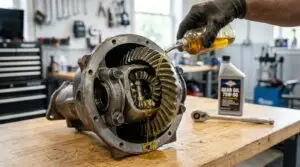
That's why differential service is more than a fluid top-off. The gear oil protects the moving parts inside the housing. It has to meet the manufacturer's specification, and it has to be in good condition to control friction and heat under load. If you want a basic overview of front and rear differential fluid service, Kwik Kar's front and rear differential fluid page is a useful reference.
What the driver usually notices first
Most drivers never think about the differential when it's healthy. They notice it when one of these starts happening:
- Turning feels rougher than normal: The vehicle may bind, hop, or feel awkward in slow turns.
- Road noise changes: A worn differential often creates a sound that builds with speed.
- The vehicle feels less settled under load: Acceleration can bring out vibration or a droning sound that wasn't there before.
The differential is one of those parts that stays invisible until the fluid degrades or internal wear starts. Then it affects how the whole vehicle feels.
Different drivetrains add another layer. A rear-wheel-drive truck, a front differential on a 4WD vehicle, and an all-wheel-drive crossover don't always use the same fluid or require the same access and labor. That's one reason quotes can vary. It's also why a generic “differential service” line on an estimate doesn't tell you enough by itself.
Signs Your Car Needs Differential Service
If you're trying to decide whether you need an inspection or immediate service, start with what the vehicle is doing right now. Don't guess based only on age or mileage. The symptoms matter.
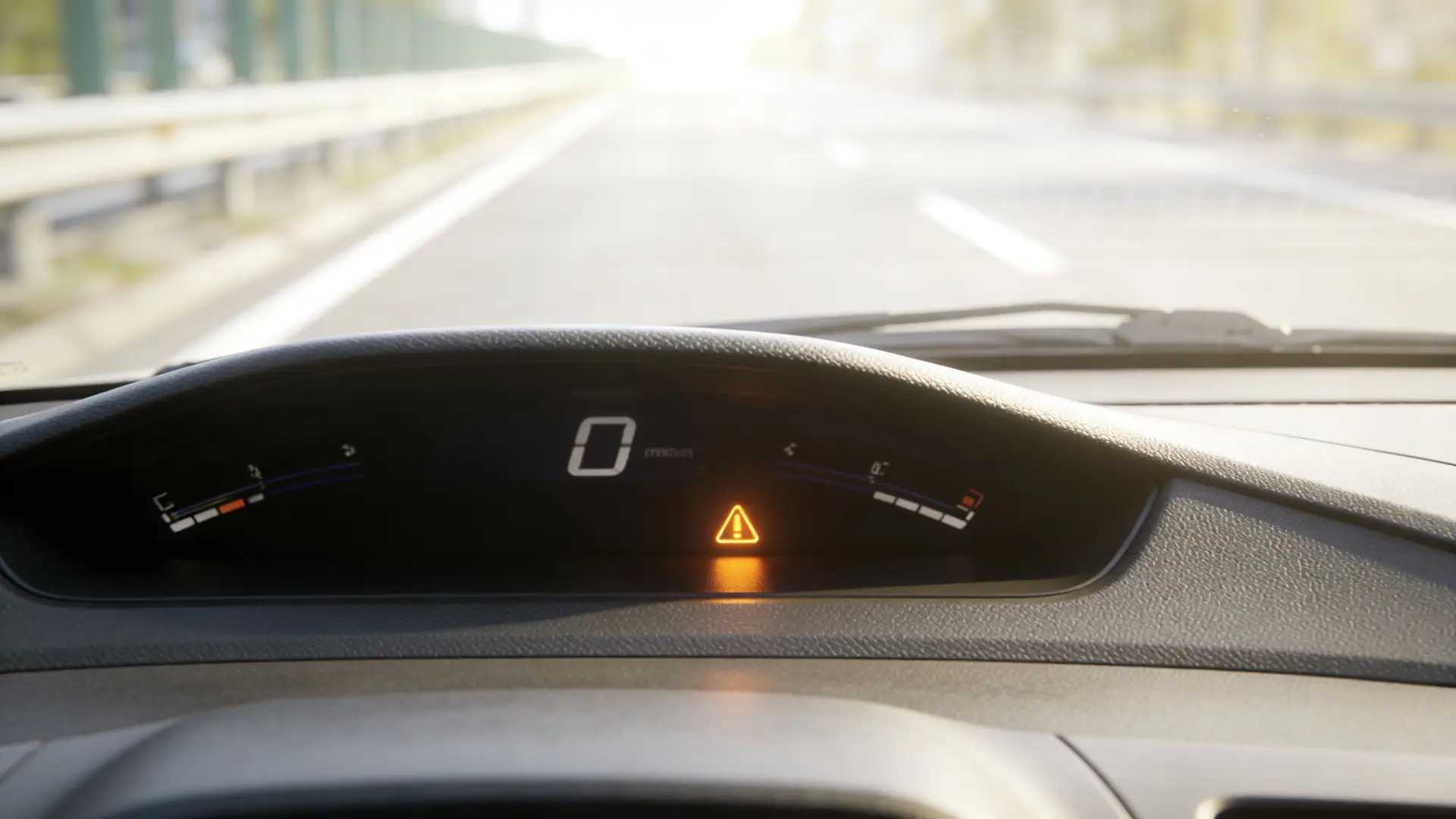
A useful rule from Firestone's differential service guidance is the difference between symptom-based triggers and manufacturer-based service recommendations. For vehicles that tow, see heavy use, or operate in hot climates like Texas, symptoms such as whine or vibration can show up before the normal interval. In that situation, an early inspection can be the cheaper move.
When an inspection is usually the right first step
Not every symptom means you need immediate teardown work. In many cases, the first step is a careful inspection.
A check makes sense if:
- You hear a mild whine or hum: Especially if it's new and you can't tell whether it's tires, wheel bearings, or the differential.
- You noticed light seepage: A damp housing doesn't always mean major failure, but it does need evaluation.
- The vehicle has high miles or hard use: Trucks, tow vehicles, and daily drivers in heat deserve closer attention when new noises appear.
If the issue is caught early, it may turn out to be a fluid condition problem, a seal issue, or another serviceable item rather than heavy internal damage.
When you shouldn't wait
Some symptoms call for faster action:
- A howling or whining noise that gets louder with speed
- Jerking, slipping, or clunking
- A burning smell
- Noticeable vibration during acceleration
- Visible leaking that's more than a light film
If you're also seeing fluid under the vehicle and aren't sure what's leaking, this guide on fluid leaking from a car can help you narrow down what you're looking at before you bring it in.
A quick visual can help, but sound matters too. This short video gives a useful example of the kind of drivetrain noise drivers often try to describe at the counter.
If the noise is getting worse week by week, that's no longer a “watch it and see” problem. It needs diagnosis.
The Kwik Kar Differential Service Process
A proper differential service shouldn't look like someone removing a plug, pumping in fluid, and sending you out the door. The value is in the inspection and in using the right fluid for the exact axle setup.
At Kwik Kar Oil Change and Auto Care, the process starts with identifying which system the vehicle has. Front differential, rear differential, both, limited-slip, or an AWD setup. That matters because the fluid spec and service approach may differ from one axle to another.
What a complete service should include
A quality workflow lines up with the inspection process described by National Transmission's differential service page. It should include checking for leaks, assessing the condition of the lubricant, inspecting the housing, and examining parts for wear. That matters because a smaller repair such as a seal issue in the $200 to $400 range is much easier to deal with than waiting until major damage sets in.
A real service usually includes:
Vehicle lift and visual inspection
The technician checks the housing, axle areas, and surrounding components for leaks or obvious damage.Fluid condition check
Old differential oil can show contamination, discoloration, or signs that it has broken down under heat.Drain and examine
Draining the old lubricant tells you more than topping off ever will. If there's evidence of internal wear, that affects the next recommendation.Refill with manufacturer-spec gear oil
Correct viscosity and proper specification matter. The wrong fluid can create noise, poor protection, or limited-slip problems.
What should happen before anyone sells you repairs
The shop should explain what it found in plain language. Not every wet housing means major work. Not every noise means a rebuild. What matters is whether the issue points to lubrication, leakage, or internal wear.
Shop advice: Ask what the quote includes before authorizing work. You want to know whether you're paying for inspection only, fluid service, a seal repair, or deeper component replacement.
That transparency is what separates a useful recommendation from a vague estimate.
Understanding Differential Service Costs
Differential pricing makes more sense when you break it into tiers. A routine service sits in one category. Seal or bearing work sits in another. A rebuild or replacement is a different conversation entirely.
According to NAPA's front and rear differential repair cost guide, a differential fluid service typically costs about $100 to $150. A front-and-rear differential service that includes replacing pinion seals is typically $300 to $400 per axle. If the unit is already failing, rear differential replacement is estimated at $500 to $1,000, while front differential replacement is estimated at $1,000 to $2,000.
Estimated Differential Service Costs
| Service Level | Typical Cost Range | Common Triggers |
|---|---|---|
| Fluid service | $100 to $150 | Routine maintenance, old fluid, no major symptoms |
| Minor repair | $200 to $400 | Seal or bearing concerns, light leaks, early wear |
| Front and rear service with pinion seals | $300 to $400 per axle | Leakage plus service needs |
| Moderate repair | $400 to $1,000 | Gear-related repair, more pronounced noise or wear |
| Major repair or rebuild | $1,000 to $2,500 or more | Ongoing noise, internal damage, advanced wear |
| Rear differential replacement | $500 to $1,000 | Failing unit |
| Front differential replacement | $1,000 to $2,000 | Failing unit |
Additional repair tiers from Advanced Transmission Center's differential repair overview reinforce the same pattern. They describe $200 to $400 for minor repairs, $400 to $1,000 for moderate repairs, and $1,000 to $2,500 or more for major repairs or rebuilds. They also note that some differential fluid replacement services can be done quickly, which helps explain why preventive service is so much easier on the budget than waiting for parts damage.
What should be included in the quote
A quote for differential service near me should answer more than price alone. It should tell you:
- Which differential is being serviced: Front, rear, or both.
- What fluid is being used: It should match your vehicle's specification.
- Whether inspection is included: Leaks, contamination, and visible wear should be checked.
- Whether seals or related parts are extra: Often, quotes diverge on this.
- Whether the price is maintenance or repair: Those are not the same category.
If you're comparing drivetrain maintenance with other fluid work, this overview of flushing car fluids can help put the service in context.
Why Choose Kwik Kar for Your Differential Service
Most drivers don't want a sales pitch. They want a straight answer. Do I need service today, or do I need diagnosis first? And if I approve the work, what exactly am I paying for?
That's where a good local shop earns trust. Generic quotes for “differential service” can be misleading, especially on AWD and modern driveline systems. As explained by Accurate Care Auto's differential service page, a trustworthy shop should distinguish between front and rear differentials, specify the correct fluid, and avoid treating every vehicle like it takes the same parts and labor. The cheapest quote may leave out the inspection or use the wrong fluid.
What works for the customer
The practical standard is simple:
- Clear diagnosis first: Noise, leak, or maintenance need should be identified before the work grows.
- Vehicle-specific fluid selection: Especially important on AWD systems and trucks.
- A quote with real detail: You should know whether you're approving service, seal work, or repair.
- Straight talk about risk: If it can wait, you should be told that. If it shouldn't, you should know why.
That approach helps budget-conscious drivers avoid overpaying for work they don't need, while still catching problems before they become major repairs.
If your car is whining, vibrating, leaking, or due for driveline maintenance, Kwik Kar Oil Change and Auto Care can inspect the differential, explain what's going on, and give you a quote that clearly spells out what's included so you can make the right call for your vehicle.