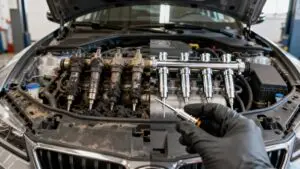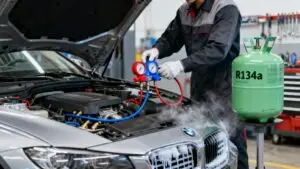





Fort Worth highway driving car care is something too many drivers put off until something goes wrong at 70 miles per hour. Between I-30, I-35W, and Loop 820, Fort Worth roads demand a lot from your vehicle. High speeds stress your brakes, tires, and cooling system in ways that city driving simply does not. The good news is that a consistent, practical maintenance routine can prevent most highway breakdowns before they start. This guide covers exactly what to check, when to check it, and how to drive smarter on Texas highways.
Table of Contents
- Key takeaways
- Fort Worth highway driving car care: pre-trip preparation
- Best driving practices for Fort Worth highways
- Post-trip vehicle care after highway driving
- Common mistakes Fort Worth drivers make in highway car care
- My take on proactive car care for Fort Worth drivers
- Keep your vehicle highway-ready with Kwik Kar
- FAQ
Key takeaways
| Point | Details |
|---|---|
| Pre-trip checks prevent breakdowns | Inspect tires, brakes, fluids, and lights before every highway trip to catch problems early. |
| Annual state inspections matter | Texas safety inspections can reduce mechanical failure accidents by up to 20%, making them worth prioritizing. |
| Post-trip care extends vehicle life | Checking tires and scanning for damage after highway drives stops small issues from becoming expensive ones. |
| Cold tire pressure readings are accurate | Always check tire pressure on cold tires to avoid readings inflated by 4 to 6 PSI from heat. |
| Fatigue and maintenance work together | Scheduling rest breaks every 2 hours or 100 miles, combined with a well-maintained vehicle, reduces your accident risk significantly. |
Fort Worth highway driving car care: pre-trip preparation
Before you merge onto any Fort Worth highway, your vehicle needs to pass a personal inspection. Think of it as a five-minute habit that can prevent a two-hour roadside wait.
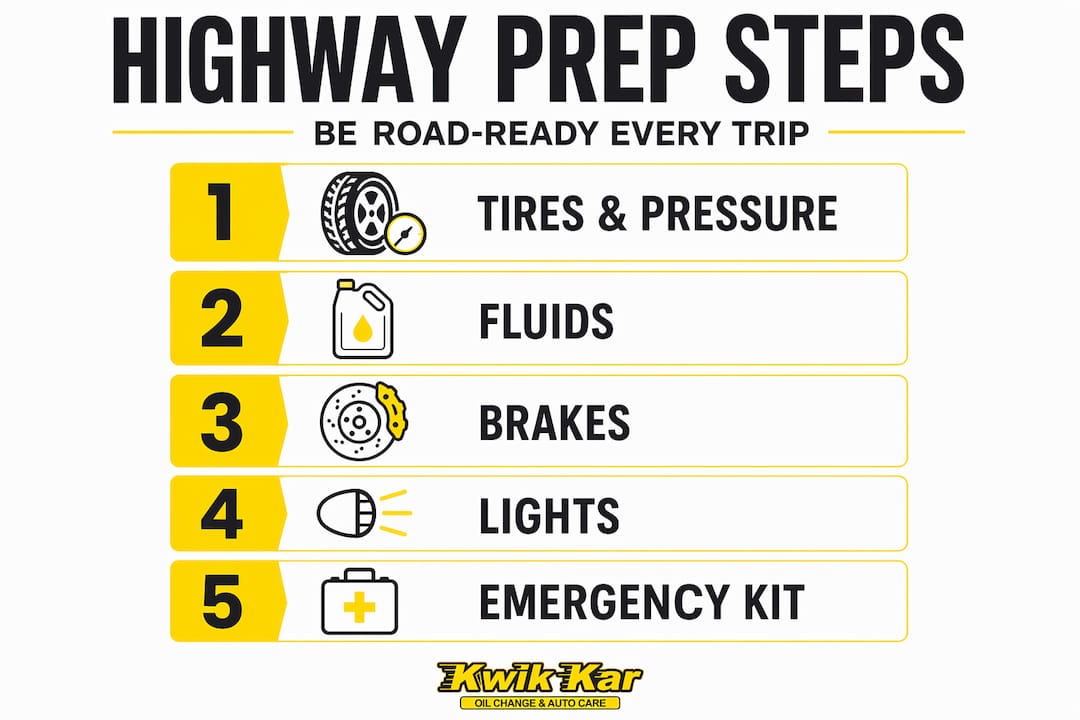
Texas requires an annual state safety inspection, and for good reason. State safety inspections cover brakes, lights, steering, tires, and emissions. Research shows these inspections reduce accident risk by up to 20% by catching mechanical failures before they cause crashes. That is not a small number when you are traveling at highway speeds.
Here is what to check before every highway trip:
- Tire pressure and tread. Low pressure increases blowout risk. Uneven tread wear signals alignment or suspension problems.
- Brake response. Press the pedal firmly in a parking lot. It should feel firm, not spongy. Brake system problems are among the most dangerous issues to discover mid-highway.
- Lights. Headlights, brake lights, and turn signals all need to work. A burned-out brake light is invisible to you but dangerous to everyone behind you.
- Windshield wipers. Texas weather shifts fast. Wipers that streak or skip in a sudden storm are nearly useless.
- Fluid levels. Engine oil, coolant, and brake fluid should all be at their proper levels. Low coolant on a hot Texas summer day can mean an overheated engine on the highway shoulder.
- Dashboard warning lights. Warning lights signal reduced safety capacity that becomes critical at highway speeds. Do not ignore them.
Your emergency kit matters just as much as your vehicle’s condition. Roadside assistance wait times can exceed 90 minutes in adverse conditions, so self-reliance is not optional. A solid kit for Texas highway driving should include a tire pressure gauge, jumper cables, warning triangles or flares, a flashlight, water, and a basic first-aid kit. A good emergency kit supplements your maintenance habits rather than replacing them.
Pro Tip: Check your spare tire’s pressure every time you check your regular tires. A flat spare is useless when you actually need it.
Best driving practices for Fort Worth highways
Good car care does not stop when you start the engine. How you drive directly affects how long your vehicle stays reliable.
Fort Worth highways carry heavy truck traffic, and that creates specific hazards. Passing trucks quickly and completely reduces your crash risk because large trucks have blind spots that can swallow an entire car. The rule is simple: if you cannot see the truck driver’s mirrors, the driver cannot see you.
Follow these best practices every time you drive a Fort Worth highway:
- Maintain a three-second following distance. At 65 mph, three seconds gives you roughly 285 feet of stopping room. Double that in rain or fog.
- Scan far ahead, not just the car in front of you. Looking 10 to 15 seconds down the road gives you time to react to slowing traffic, debris, or accidents.
- Adjust speed immediately when visibility drops. Reduce speed and increase spacing as soon as conditions start to decline, not after they become dangerous.
- Take scheduled breaks. TxDOT recommends breaks every 2 hours or 100 miles to combat fatigue. A tired driver in a perfect car is still a dangerous driver.
- Keep your vehicle maintained for emergency response. Defensive driving experts are clear that no skill substitutes for a safe, responsive vehicle. Worn brakes and bald tires limit what even the best driver can do.
“Driver fatigue is a major risk on Texas highways. Scheduling rest breaks and keeping your vehicle in good condition work together to reduce your accident risk.” — Safety Tips For Driving Long Distances in Texas
Fort Worth weather adds another layer of complexity. Summer heat accelerates tire wear and raises the risk of blowouts. Sudden thunderstorms reduce visibility to near zero in seconds. Knowing your vehicle is ready for both conditions is not just smart. It is what keeps you from becoming a statistic.
Post-trip vehicle care after highway driving
The work does not end when you pull into your driveway. A quick post-trip check after long highway drives catches problems while they are still minor.
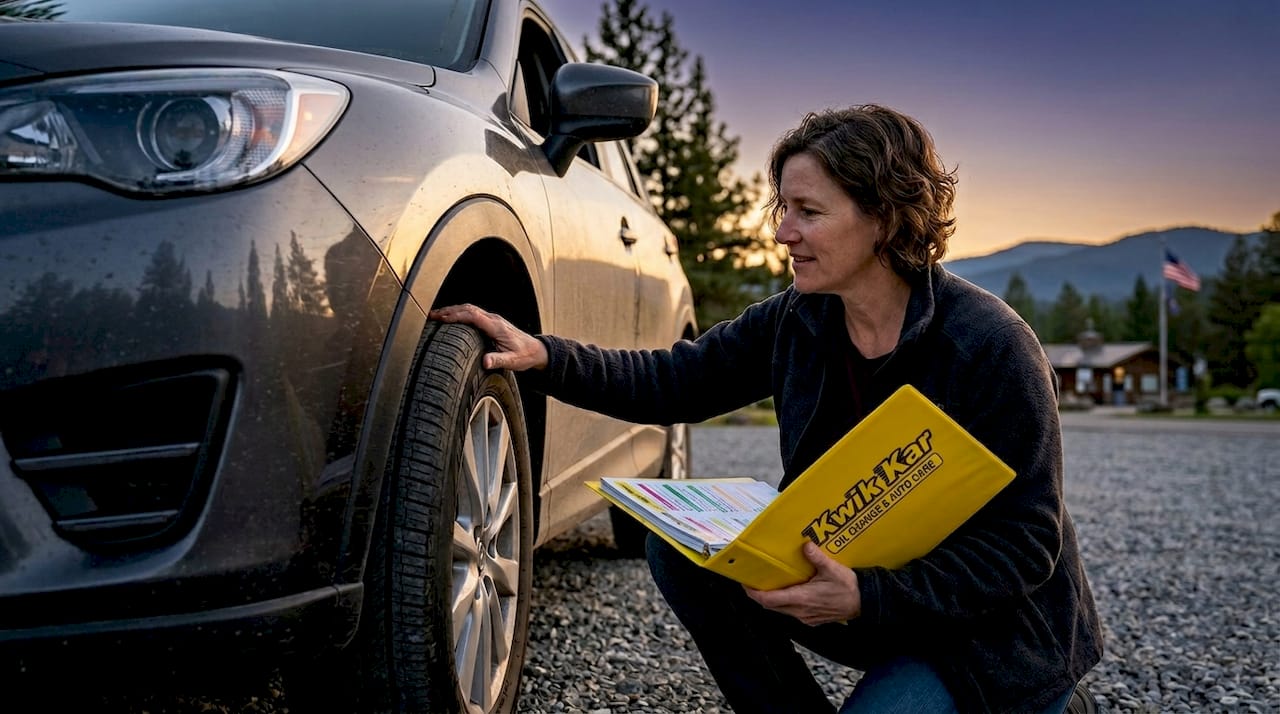
Tire pressure. Wait at least three hours after driving before checking pressure. Heat raises tire pressure readings by 4 to 6 PSI, which can make underinflated tires look fine. Checking on cold tires gives you an accurate baseline.
Pro Tip: Keep a quality tire pressure gauge in your glove box, not in your trunk. You are far more likely to use it if it is within reach.
Here is a practical post-trip checklist:
- Walk around the vehicle. Look for new scrapes, dents, or debris embedded in tires. Highway debris can puncture a tire slowly, causing a flat hours after you get home.
- Listen for new sounds. Squealing, grinding, or clicking that was not there before the trip is worth investigating before your next drive.
- Check for fluid spots under the car. A fresh oil or coolant stain on your driveway means something needs attention before you hit the highway again.
- Note any dashboard warning lights that appeared during the trip. A check engine light that comes on during a long highway drive often signals a sensor or emissions issue that will only get worse if ignored.
Cleaning your vehicle after a highway trip also matters more than most drivers realize. Road grime, tar, and insect residue are mildly acidic and will eat into your paint if left to sit. A quick rinse protects your investment without much effort.
Common mistakes Fort Worth drivers make in highway car care
Most highway breakdowns are preventable. They happen because of habits that feel harmless until they are not.
- Ignoring dashboard warning lights. This is the single most common mistake. A warning light is your vehicle telling you something needs attention. Delaying that attention on a highway is how minor issues become expensive repairs or dangerous failures.
- Checking tire pressure on warm tires. Many drivers check pressure right after a drive. Warm tires read 4 to 6 PSI higher than their actual cold pressure, which means you may be driving on underinflated tires without knowing it.
- Skipping the emergency kit. Many Fort Worth drivers assume roadside assistance will arrive quickly. In reality, wait times can exceed two hours during peak traffic or bad weather. A well-stocked kit is the difference between a manageable situation and a genuinely dangerous one.
- Failing to adjust for Texas weather and traffic. Driving 75 mph in a thunderstorm because that is the posted limit is a decision that ignores physics. Speed limits reflect ideal conditions, not wet roads or reduced visibility.
The pattern behind all four mistakes is the same: treating car care as something to do when there is a problem rather than before one develops. Fort Worth auto maintenance done consistently and proactively is always cheaper and safer than reactive repairs.
My take on proactive car care for Fort Worth drivers
I have seen what happens when drivers treat vehicle maintenance as optional. At Kwik Kar Oil Change & Auto Care, we see it regularly: a car comes in after a highway breakdown that a simple brake inspection or tire check would have prevented weeks earlier.
What I have learned from years of working with Fort Worth drivers is that the highway does not forgive deferred maintenance. City driving is more forgiving because speeds are lower and help is closer. On I-35W at 70 mph, a tire blowout or brake failure is a completely different situation.
The drivers who have the fewest highway problems are not the ones with the newest cars. They are the ones who check their vehicles before trips, address warning lights promptly, and treat their annual state inspection as a genuine safety tool rather than a bureaucratic requirement. That habit costs very little in time and money compared to what it prevents.
My honest advice: pair your defensive driving habits with a consistent maintenance schedule. Neither one alone is enough. A well-maintained car driven carelessly is still a risk. A careful driver in a neglected vehicle is too. Together, they give you the best odds on any Fort Worth highway.
— Kwik Kar
Keep your vehicle highway-ready with Kwik Kar
Fort Worth highways demand a vehicle that is genuinely prepared, not just running well enough to get by.
At Kwik Kar Oil Change & Auto Care, our ASE-certified technicians handle everything your vehicle needs before and after highway trips. From Texas state safety inspections and brake checks to oil changes and tire services, we cover the full range of Fort Worth auto maintenance in one convenient location. Our pricing is transparent, our technicians are thorough, and our goal is simple: send you back onto the highway with confidence. If you are looking for affordable Fort Worth car repair backed by real expertise, we are ready when you are. Schedule your appointment online or stop by our Fort Worth location today.
FAQ
What should I check before a highway trip in Fort Worth?
Check tire pressure and tread, brake response, all lights, windshield wipers, and fluid levels before any highway drive. Also review your dashboard for warning lights and confirm your emergency kit is stocked.
How often should I get a state vehicle inspection in Texas?
Texas requires an annual state safety inspection. Research shows these inspections reduce mechanical failure accidents by up to 20%, making them one of the most practical safety steps you can take.
When is the right time to check tire pressure?
Always check tire pressure on cold tires, meaning the vehicle has been parked for at least three hours. Driving raises tire temperature and can inflate pressure readings by 4 to 6 PSI, giving you a false reading.
How do I reduce fatigue risk on long Texas highway drives?
Take a break every 2 hours or approximately every 100 miles, as TxDOT recommends. Combine that with a well-maintained vehicle so that if fatigue does slow your reaction time, your brakes and tires are still performing at their best.
What should be in my Fort Worth highway emergency kit?
Your kit should include a tire pressure gauge, jumper cables, warning triangles or flares, a flashlight with extra batteries, bottled water, a basic first-aid kit, and a blanket. Given that roadside assistance wait times can exceed 90 minutes, being self-sufficient is worth the small upfront investment.