



You hear it at the first stoplight. Not a loud failure. Just a new sound that wasn’t there last week. A squeal. A scrape. Maybe the pedal feels softer than normal, or the car takes a little more room to stop than it used to. Most drivers try to reason with it for a day or two. Maybe it’s morning moisture. Maybe it’s road dust. Maybe it can wait until the weekend.
Sometimes it can. Sometimes it absolutely can’t.
Brake problems on cars are unsettling because they don’t just affect comfort. They affect control. And when drivers ignore the early signs, small wear can turn into damaged rotors, leaking hydraulics, or a car that won’t stop straight in a panic stop.
Your Brakes Are Talking Are You Listening
A lot of brake issues start subtly. A driver backs out of the driveway in Fort Worth, heads toward work, and catches a brief squeal at the first intersection. By lunch, the noise is more noticeable. By the ride home, the pedal feels a little different, but the car still stops, so it gets pushed down the to-do list.
That’s how brake problems on cars usually build. Not with a dramatic failure first, but with a change in sound, feel, smell, or behavior.
The hard part is knowing which signs are minor wear and which signs mean the system is already unsafe. That matters because brakes are your car’s main safety system. If the engine has a problem, you may get stranded. If the brakes have a problem, you may not be able to avoid the crash in front of you.
According to 2015 data from the National Highway Traffic Safety Administration, an estimated 22% of collisions involving light vehicles were attributed to brake-related problems (Automotive Fleet coverage of the NHTSA finding). That number is high enough to make one point very clear. Brake concerns shouldn’t be treated like a cosmetic annoyance.
Practical rule: A new brake symptom is never something to “see if it goes away” for long.
A good diagnosis starts with listening to the car before replacing parts. A squeal doesn’t always mean the same thing as a grind. A pull to one side isn’t the same problem as a pulsation in the pedal. Even uneven pad wear has root causes beyond the pads themselves, including suspension and alignment issues, which is why it helps to understand what causes uneven brake pad wear before approving a repair.
If you’re hearing, feeling, or smelling something new, the goal isn’t to panic. It’s to interpret what your brakes are saying and act before the repair gets larger and the risk gets higher.
How Your Car’s Braking System Actually Works
Brakes seem complicated until you break the system into one simple idea. Your foot pushes a pedal. The car multiplies that force through hydraulic pressure. That pressure squeezes friction material against a spinning surface and turns motion into heat.
That’s the whole job.
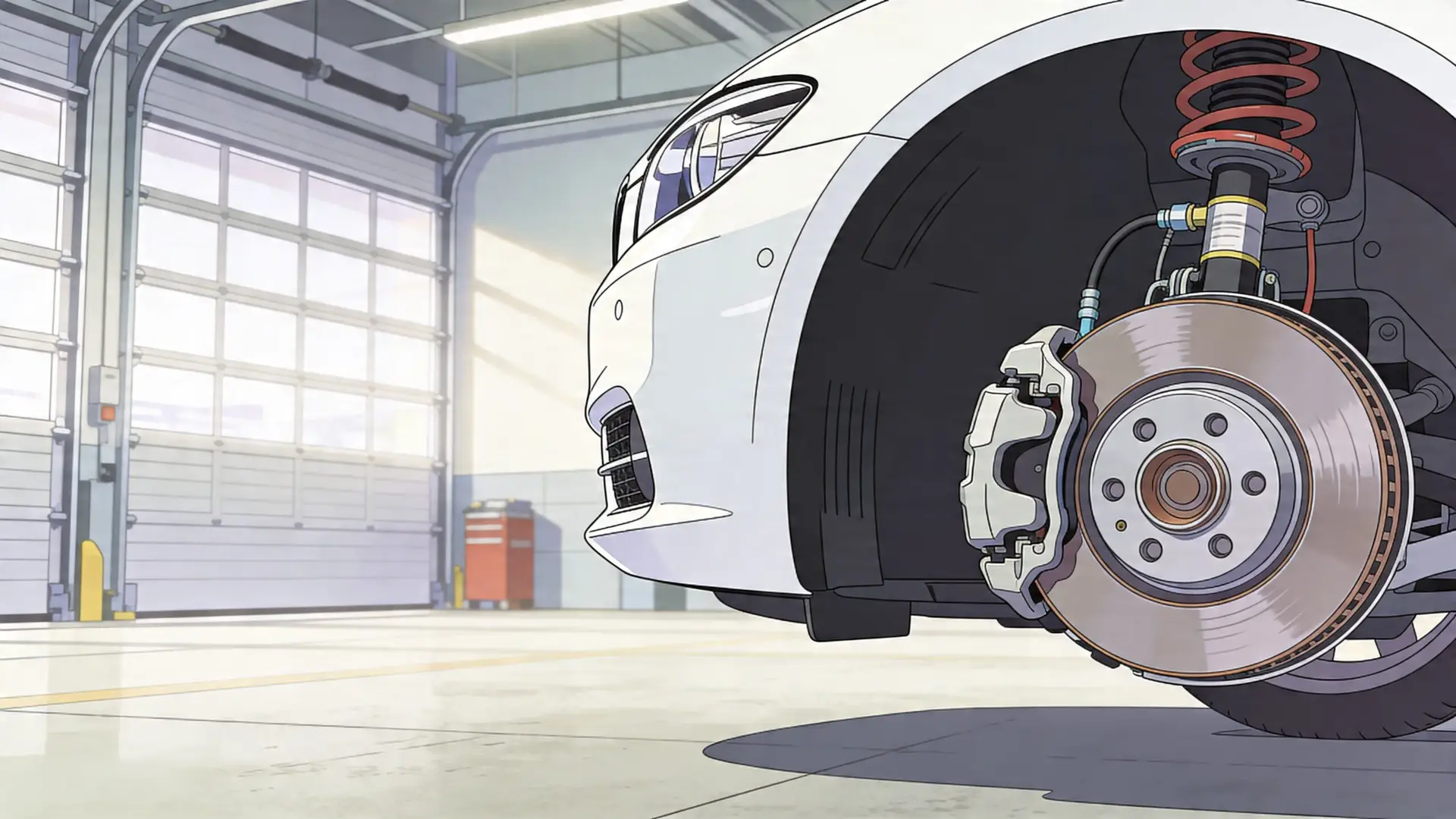
The chain reaction from your foot to the wheels
Think of the system like a sealed syringe network.
When you press the brake pedal, it moves the master cylinder. The master cylinder pushes brake fluid through steel lines and flexible hoses. Because brake fluid doesn’t compress the way air does, it transfers your foot pressure to the brakes at each wheel.
At the wheel ends, that hydraulic pressure moves either:
- Caliper pistons on disc brake systems, which clamp pads against a rotor
- Wheel cylinders on drum brake systems, which push shoes outward against the drum
The pad or shoe material provides friction. Friction slows the spinning wheel. The car slows with it.
If any part of that chain leaks, sticks, overheats, or loses friction, the system still may work, but it won’t work correctly.
The parts that matter most in daily driving
Drivers usually hear about pads and rotors first, but the supporting parts matter just as much.
- Brake pads wear by design. They’re sacrificial friction material.
- Rotors provide the surface the pads clamp onto.
- Calipers have to move freely and apply pressure evenly.
- Brake fluid has to stay clean and dry enough to transmit force consistently.
- Rubber hoses and metal lines must stay sealed.
- The booster helps reduce the effort needed at the pedal.
- ABS components help prevent wheel lock during hard braking.
That’s why replacing only the noisy part doesn’t always solve the underlying issue. A cheap pad slapped onto a rotor with heat damage, or a new rotor installed while a caliper is hanging up, often leads to repeat symptoms.
Why fluid matters more than most drivers think
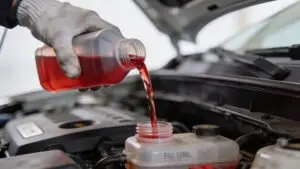
Many owners understand oil changes better than brake fluid service. But brake fluid has a very specific job. It transfers pressure instantly and predictably. Once it absorbs moisture or gets contaminated, the pedal feel changes and braking performance can become inconsistent.
If you want a plain-English breakdown of its role, this overview of brake fluid purpose is useful before you approve a flush or hydraulic repair.
Good brakes don’t feel dramatic. They feel consistent. Same response, same pedal height, same straight stop every time.
What a healthy system feels like
A healthy braking system doesn’t need a driver to compensate for it.
The pedal should feel firm and stable. The car should stop straight. There shouldn’t be scraping, grinding, strong pulling, or a fresh burning smell after routine driving. Some light surface rust noise after rain can happen, but it should clear quickly.
Once you understand that normal baseline, brake problems on cars become easier to sort out. You stop guessing and start noticing patterns. That’s exactly how a technician approaches diagnosis.
Decoding Common Brake Problems and Their Symptoms
A brake complaint usually shows up in one of four ways. You hear something, feel something through the pedal, notice the car move differently, or see a warning light. That gives you a useful way to sort the problem before anyone starts selling parts.
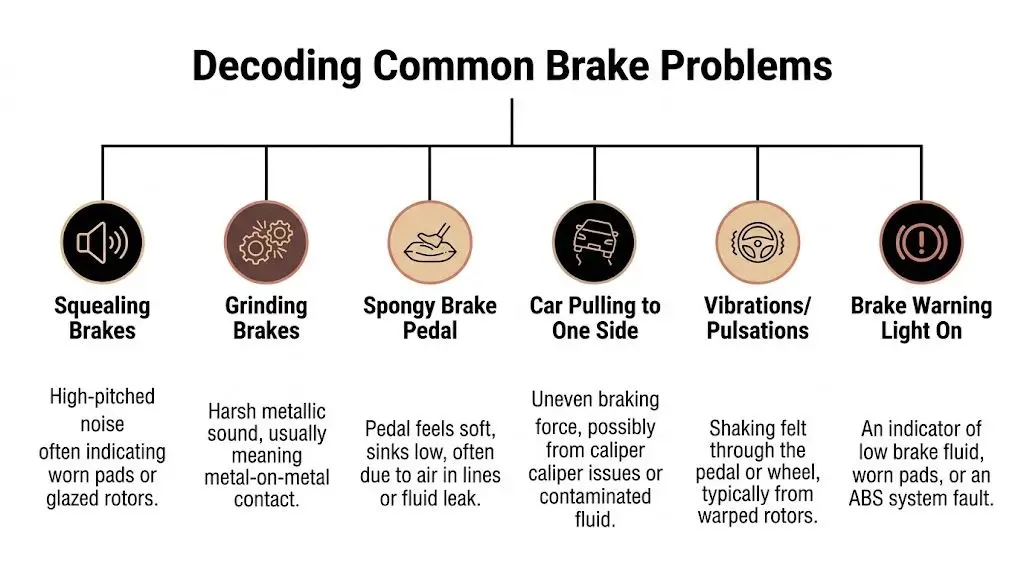
A good technician listens for the pattern, not just the symptom. Squealing only on the first stop of the morning means something different than squealing at every light. A pull during hard braking points in a different direction than a low pedal in traffic. The goal is to connect the complaint to the part of the system that is likely failing.
Noises that tell you what’s touching what
A high-pitched squeal often points to pad wear, glazed friction material, rusty hardware contact, or a rotor face that has been overheated and polished smooth. Some noise after rain or overnight moisture is common. Noise that stays with the car every time you brake is not.
A grinding noise is a harder warning. It often means the pad friction material is worn away and the metal backing plate is cutting into the rotor. I also see grinding caused by seized caliper hardware or debris trapped between the shield and rotor. Once that sound starts, the repair usually becomes more expensive because rotors and hardware are often damaged too.
A click or clunk during braking, or when shifting from reverse to drive, can mean the pads are moving in the bracket, the caliper hardware is loose, or a suspension part is shifting under load. Drivers often assume every brake noise comes from pads and rotors. It does not.
Pedal feel usually points to the hydraulic side
A spongy pedal often means air in the lines, deteriorated fluid, or another hydraulic fault. Air compresses. Brake fluid should transmit force directly, so any softness or delay matters.
A hard pedal sends you in a different direction. That often points to a loss of brake booster assist, a vacuum supply issue on many gas vehicles, or an electric assist problem on vehicles that use electronic brake boosting.
A pedal that slowly sinks while your foot stays steady deserves immediate attention. That can happen when the master cylinder seals leak internally, or when fluid is escaping somewhere in the system. The detail that matters is the continued drop, not just a low pedal height.
The pedal is your first diagnostic tool. Firm and repeatable is normal. Soft, sinking, delayed, or extra hard means the system needs attention.
What the car does during a stop matters just as much
A car that pulls to one side during braking usually has uneven braking force. One front brake may be doing more work than the other, or one side may not be applying correctly at all. Common causes include a sticking caliper, contaminated pad, restricted brake hose, or uneven wear side to side.
A vibration in the steering wheel or pedal gets labeled as warped rotors all the time. Sometimes rotor thickness variation is the problem. Sometimes the issue is uneven pad material transfer, heat spots, or front-end looseness that only shows up when the brakes load the suspension. The repair depends on which of those is present.
Brakes that feel acceptable on short city trips but weak on a long downhill run often point to brake fade. Heat builds faster than the system can shed it, and stopping power drops as parts get hotter.
There is a trade-off here. Replacing pads may cure a noise complaint, but it will not fix a sticking caliper or moisture-heavy fluid that is causing fade. That is why a proper diagnosis looks at the whole system, not the loudest symptom.
Warning lights tell you where to focus first
A brake warning light can mean low fluid, a parking brake issue, or a hydraulic problem, depending on the vehicle. An ABS light usually means the anti-lock system has a fault stored and needs diagnosis, even if the car still stops in normal driving.
If you want a plain-English explanation before your appointment, this guide on why an ABS light came on helps you sort out what the system may be warning you about.
Treat warning lights as triage information. They do not always tell you the failed part, but they do tell you which system needs attention first.
EV brake problems can hide in different ways
Electric vehicles change the pattern because regenerative braking handles much of the routine slowing. That means the friction brakes may be used less often, especially in daily commuting. Less use can sound like a benefit, and sometimes pad life is longer, but it also creates a different set of service issues.
I see more cases where rotors rust heavily, pads do not sweep the rotor face clean, or calipers begin to drag because the brakes are not getting regular full-use cycles. Owners sometimes assume low brake use means low brake maintenance. In practice, EV brakes still need inspection, lubrication where the manufacturer calls for it, and occasional mechanical braking to keep parts moving freely.
Symptom, likely cause, urgency
| Symptom | Common direction of diagnosis | Urgency |
|---|---|---|
| Squealing | Pad wear, glazing, hardware noise | Schedule inspection soon |
| Grinding | Metal contact, seized hardware, severe wear | High. Stop driving if persistent |
| Spongy pedal | Air, leak, fluid problem, hydraulic fault | High |
| Pulling while braking | Caliper, hose, contamination, uneven wear | High |
| Pedal pulsation | Rotor surface issue, uneven transfer, heat damage | Moderate to high |
| Brake or ABS light | Fluid, hydraulic, sensor, ABS fault | High until diagnosed |
The useful way to think about brake problems is simple. Start with the symptom category. Then ask when it happens, whether it is repeatable, and whether it is getting worse. That is the same framework a seasoned brake technician uses to decide whether the answer is pads, hydraulics, hardware, electronics, or a combination of problems.
At-Home Brake Checks You Can Perform Safely
You can learn a lot about your brakes without taking a wheel off, crawling under the car, or guessing at parts. The goal at home is not to do a full brake job in the driveway. The goal is to gather clean observations and know when to stop driving.
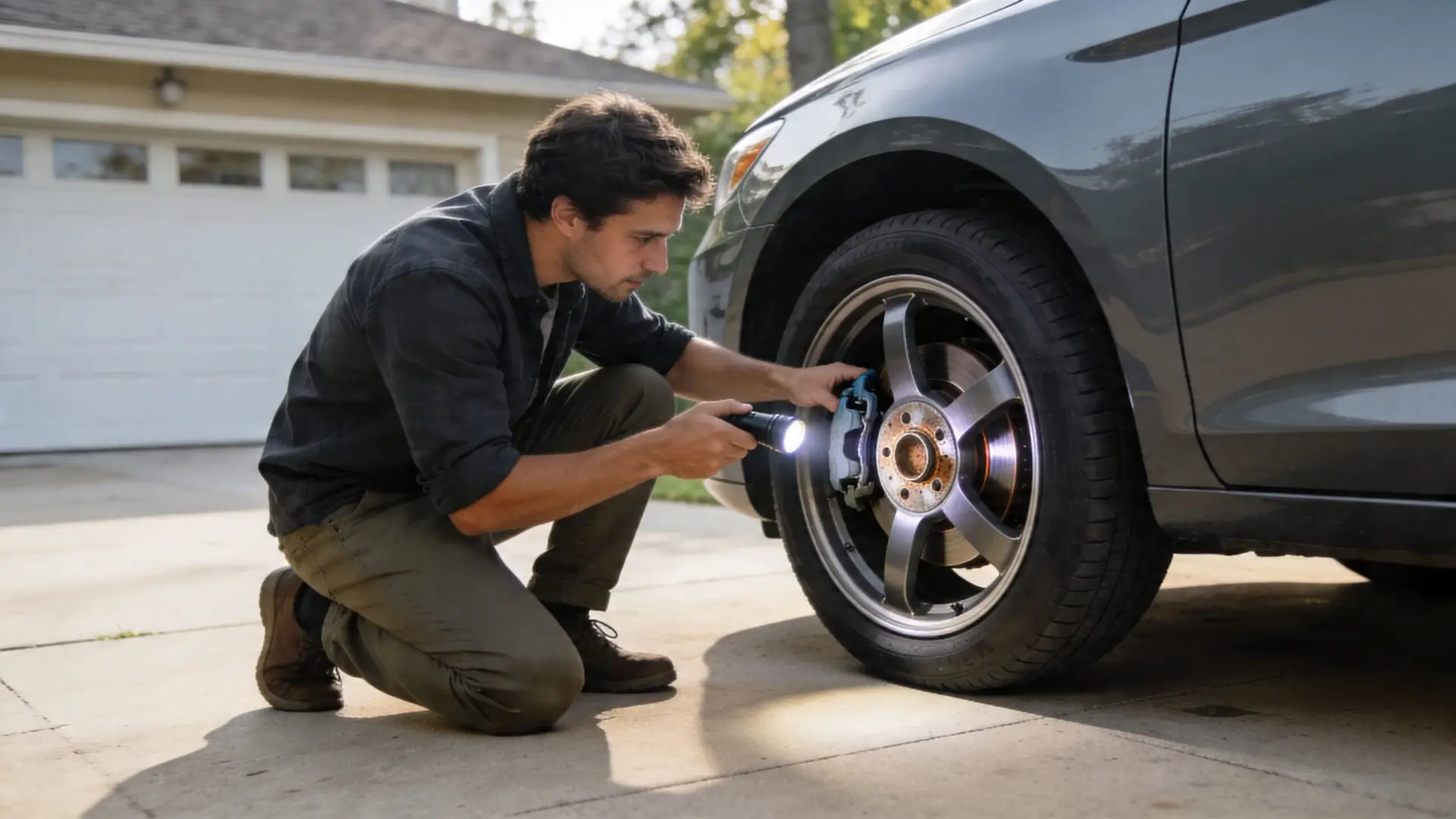
Start in the driveway
Before you move the car, do three simple checks.
- Look for fluid under the vehicle. Brake fluid leaks need immediate attention. Fresh wetness near a wheel or under the master cylinder area is a red flag.
- Check the brake fluid reservoir. The level should not be unexpectedly low. The fluid also shouldn’t look obviously dirty or neglected.
- Press the pedal with the engine off. You’re checking for feel, not full function. A pedal that feels unusually soft or sinks deserves professional diagnosis.
Don’t open hydraulic components. Don’t loosen bleeders. Don’t jack the car up unless you have the right equipment, the right stands, and the experience to use them safely.
Use a controlled test drive
Choose an empty parking lot or a quiet street where you can stop safely.
Pay attention to these questions:
-
Does the car stop straight?
If it drifts or pulls, note which side. -
Is the pedal firm and predictable?
A consistent pedal is what you want. Soft, delayed, or sinking pedal travel is not normal. -
Do you hear the same noise every stop?
Noise patterns matter. First-stop-only noise tells a different story than constant grinding. -
Do you feel pulsation through the pedal or steering wheel?
Try a few gentle stops and one slightly firmer stop in a safe place. -
Do you smell heat after normal driving?
A hot brake smell after routine use can point to drag or overheating.
If a symptom gets stronger as the drive continues, don’t talk yourself out of it. Heat usually makes brake defects easier to reveal.
Test the parking brake separately
The parking brake can tell you whether the rear system or parking brake mechanism is holding properly.
On a safe, level area, set it and verify the car stays put. If it travels too far, feels weak, or doesn’t hold consistently, add that to the list you share with the shop.
A visual walkaround can also help. Look through the wheel openings if the design allows it. You may be able to spot heavy scoring on a rotor, obvious rust buildup, or a wheel that looks much dirtier than the others from pad material or drag.
This short video gives a helpful overview before you schedule service:
What to write down before you call a shop
A good work order starts with a good description.
- When it happens. Cold start, after highway driving, only in traffic, only in reverse
- What it sounds like. Squeal, grind, scrape, click, hum
- What the pedal does. Soft, low, firm, pulsing, sinking
- How the car behaves. Pulls left, shakes at speed, smells hot after a short trip
Those notes save time. They also help prevent the vague “check brakes” complaint that can slow down diagnosis. Brake problems on cars are easier to solve when the technician knows exactly what you experienced and when you felt it.
Brake Problem Severity When to Stop Driving Immediately
Some brake symptoms mean “book an appointment soon.” Others mean do not keep driving this car.
A pedal that drops too low, keeps sinking under steady pressure, or suddenly feels weak is in the second category. Verified brake system data notes that master cylinder failure and brake fluid contamination are silent failure modes, and that internal master cylinder wear can let fluid bypass seals, producing a spongy or slowly sinking brake pedal that can progress to complete loss of braking power (epart.az explanation of master cylinder failure and fluid contamination).
That’s not the kind of issue to monitor for another week.
Pull over and stop driving if you notice these
- The pedal sinks toward the floor while you hold pressure
- You hear loud metallic grinding every time you brake
- The car sharply pulls and feels unstable during stops
- You see brake fluid leaking
- The red brake warning light stays on and braking feel has changed
- The vehicle won’t stop with normal pedal effort
Any one of those can mean the system has lost either friction, pressure, or balanced braking force.
Why these warnings matter
A worn pad is bad enough. A hydraulic failure is worse because it changes the way the whole system responds. You may still get some braking. The problem is you won’t know how much until you need it in a hurry.
That uncertainty is what makes continued driving so risky.
Don’t test a failing brake system in traffic. If the pedal or stopping ability changes suddenly, the safest repair decision is usually a tow.
There’s also a legal side to abrupt braking incidents on the road. If you’re dealing with an aggressive driver situation rather than a mechanical fault, this explanation of if someone brake checks you in Texas can help you understand how fault may be evaluated after a collision.
The line between inconvenience and danger
Drivers often keep going because the car still “kind of” stops. That’s a trap.
A brake system doesn’t have to fail completely to be dangerous. It only has to fail enough to lengthen your stop, pull you out of your lane, or fade when heat builds. Once the system crosses that line, driving it is no longer a budget decision. It’s a safety gamble.
Understanding Your Brake Repair Options and Costs
A brake estimate gets easier to read once you sort it into four buckets. Friction parts, hydraulic parts, rotor condition, and related problems outside the brake assembly. That framework helps you tell the difference between a routine wear service and a repair aimed at a fault.
A good shop should be able to explain the estimate that way.
What common brake repairs involve
A pad replacement deals with worn friction material. If pad thickness is the only problem and the rotors measure within spec with a clean, even surface, this can be enough.
A pad and rotor service addresses both the wear item and the surface the pads clamp against. Rotors that are scored, heat-checked, too thin, or uneven often lead to noise, pulsation, and short pad life if they are reused. In those cases, replacing or machining the rotor is the better long-term call.
A caliper service or replacement is usually tied to a specific failure. The caliper may be sticking on its slides, the piston may not retract correctly, or a seal may be leaking. If a shop recommends calipers, ask what they found during inspection. One hot wheel, tapered pad wear, or a pull under braking are examples of answers that make sense.
A brake fluid flush is about restoring hydraulic performance and protecting expensive parts. Brake fluid absorbs moisture over time. That lowers boiling resistance and can corrode internal components such as calipers, ABS valves, and master cylinders.
Repairs that solve the cause, not just the symptom
Some brake jobs fail early because the original cause was never addressed. I see this with uneven pad wear, repeat rotor problems, and one wheel doing more work than the other.
That wider view matters.
Randy’s Automotive discussion of uneven brake wear and alignment points out that alignment and chassis issues can contribute to uneven brake wear. The practical takeaway is simple. If the car has feathered tires, steering pull, suspension looseness, or one pad wearing much faster than its mate, the brake repair may need a chassis or alignment correction to last.
Estimated costs for common brake repairs in Fort Worth
| Brake Service | Estimated Cost Range (Per Axle) | Description |
|---|---|---|
| Alignment service tied to uneven brake wear | $80-$150 | Corrects alignment-related wear that can shorten pad life |
| Brake job after untreated alignment-related wear | $400+ | Broader brake repair once wear has progressed beyond a minor correction |
Those are the only verified figures available here. Everything else should come from an inspection, measurements, and a written estimate, not a generic online average.
How to judge a recommendation
Use this filter when you review the quote:
- Ask what failed, not just what is worn. Wear is expected. A fault explains urgency.
- Ask whether the rotor is being reused, machined, or replaced. Each option affects pedal feel, noise, and service life.
- Ask what caused the wear pattern. Inside pad wear, a blue rotor, or repeated vibration should have a diagnosis behind it.
- Ask whether related systems were checked. Slides, hoses, hardware, fluid condition, wheel bearings, suspension play, alignment, and ABS faults all matter.
If you also want a broader safety context, this overview of causes of car accidents helps place vehicle problems alongside driver behavior and road conditions.
Where EVs and hybrids change the conversation
On hybrids and EVs, regenerative braking can reduce pad wear because the motor helps slow the vehicle before the friction brakes do all the work. That sounds like a win, and often it is, but it changes failure patterns. Pads may last longer while rotors rust from underuse, caliper slides may seize from lack of movement, and owners may assume the brakes are fine because pad thickness still looks good.
That is why time, corrosion, and hardware condition matter just as much as mileage on newer electrified vehicles.
Kwik Kar Oil Change and Auto Care on White Settlement Road is one local shop that handles brake inspections, pad replacement, rotor service, fluid flushes, and ABS diagnosis. The important part with any shop is the explanation. The recommendation should connect the symptom you noticed, the measurements taken, and the part being replaced.
Your Trusted Partner for Brake Repair in Fort Worth
You back out of the driveway, touch the brake pedal, and something feels off. The pedal travels farther than it did last week, or the car gives a slight pull at the first stop sign. That is the point to act. With brake problems, early attention usually means a simpler diagnosis, a smaller repair, and less risk to you and everyone around you.
A good shop visit should leave you with a clear chain of logic. Symptom first. Test results next. Repair recommendation last. If a technician cannot explain how your complaint connects to pad wear, rotor condition, hydraulic pressure, caliper movement, or an ABS fault, ask more questions before approving the work.
Here is what you should expect from a brake inspection:
- A description of what was verified, not just a guess based on noise
- Measurements or visible findings, such as pad thickness, rotor condition, fluid condition, or uneven wear
- A safety call, meaning what needs repair now versus what can wait briefly
- The likely cause, especially if one side wore faster or the pedal feel changed suddenly
- A plan that fits the vehicle’s use, because a work truck, family SUV, and EV do not all wear brakes the same way
That last point matters in Fort Worth. Heat, traffic, short trips, and heavy daily use can all change how brake problems show up. On gas vehicles, repeated stop-and-go driving builds heat and wears friction material faster. On hybrids and EVs, regenerative braking can hide brake neglect because the pads may still look thick while the rotors and hardware are corroding.
I tell drivers to judge a shop by the explanation, not the lobby. A solid brake recommendation should answer three practical questions. Is the car safe to drive today? What part failed or wore out? What happens if you wait?
Kwik Kar Oil Change & Auto Care on White Settlement Road is a local option for drivers who want brake service explained in plain language and checked as a system, not just sold a set of pads. If your car is squealing, vibrating, pulling, showing a warning light, or stopping differently than it did before, schedule an inspection soon. Catching the problem while it is still small can keep it from turning into rotor damage, a seized caliper, or a hydraulic repair.