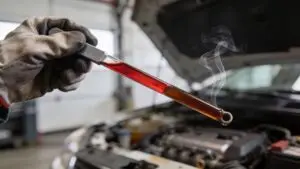




You're at a routine oil change, and the advisor mentions differential fluid service. If your first thought is, “My what?”, you're not alone.
Most drivers know about engine oil, brake pads, and maybe transmission service. The differential sits out of sight, performs its function unnoticed, and usually gets attention only when someone brings it up at the shop. That can make the recommendation feel vague, optional, or suspicious.
A fair explanation should answer three simple questions. What does the differential do? When does its fluid need service? And if your vehicle already has a noise or leak, what can a fluid change realistically fix? That's where a lot of advice online falls short.
I'm going to walk through it the same way I would at the counter or in the bay. Plain language. No scare tactics. Just the mechanical reason the service exists, how driving habits change the schedule, and how to tell the difference between preventive maintenance and a repair problem.
Your Guide to Differential Fluid Service
A differential fluid service is one of those maintenance items that makes more sense once you know what part it protects.
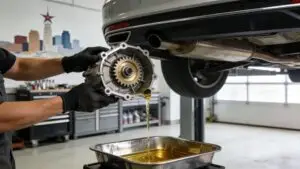
Your differential contains gears and bearings that work under heavy pressure every time you accelerate, turn, tow, or carry load. Those parts depend on gear oil to separate metal surfaces, carry away heat, and help the unit survive normal wear. If the fluid gets old, contaminated, or low, the protection drops off.
That doesn't mean every car needs the service at the same mileage. It also doesn't mean a fluid change will magically cure a worn-out differential. Both of those misunderstandings lead people to either ignore the service too long or expect too much from it after noise starts.
Practical rule: Think of differential fluid service as protection for healthy parts, not a shortcut around damaged ones.
The useful way to approach it is by looking at mileage, use pattern, and condition together. A commuter sedan that mostly sees highway miles may age the fluid differently than a truck that tows, sits for long periods, or spends its life in stop-and-go traffic.
If you understand that difference, you can make a better decision and spend your maintenance budget where it helps.
What Your Car's Differential Actually Does
If you've ever walked a track, you already understand the problem a differential solves.
When a car turns, the outside wheel travels a longer path than the inside wheel. On a track, the runner in the outer lane has to cover more distance than the runner in the inner lane. The same thing happens with your tires in a corner. If both wheels on the same axle were forced to spin at exactly the same speed, one tire would have to scrub, skip, or slide to make up the difference.
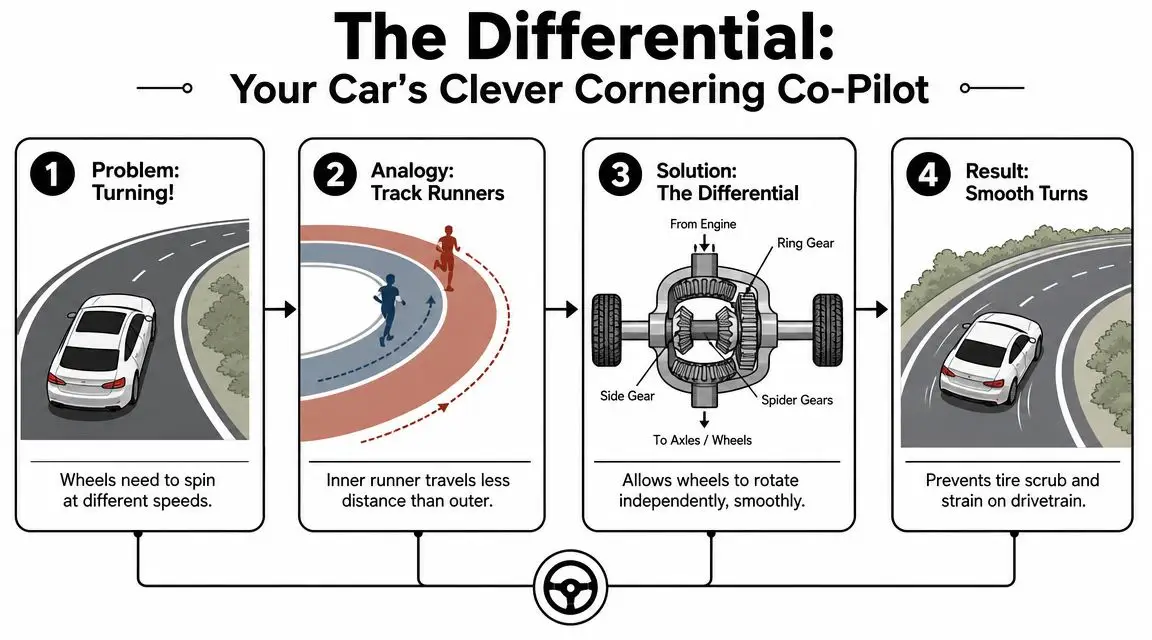
That's why the differential exists. It lets the wheels on the same axle rotate at different speeds while still delivering power. Accountable Auto Care explains that the differential solves this turning-speed problem, and that without it tires can wear unevenly and handling can suffer. The same source also notes that neglecting vehicle maintenance can reduce fuel efficiency by up to 15%.
The parts inside the housing
Inside the differential housing are gears, bearings, and, on some vehicles, clutch packs for a limited-slip setup. You don't need to memorize every component name to understand the service. The important part is this: those pieces are always working against load, friction, and heat.
A simple mental picture helps:
- Ring-and-pinion gears transfer engine power to the axle.
- Bearings support rotating parts and keep them aligned.
- Clutch packs in some differentials help control wheel slip.
Those parts don't ride on air. They ride on a film of gear oil. When that oil is healthy, it keeps metal surfaces from rubbing directly against each other.
A short visual can make that easier to picture:
Why fluid matters to the mechanism
Differential fluid isn't there just to “keep it wet.” It lubricates and cools the assembly. That matters because the contact pressure between gear teeth is high, especially when the vehicle is loaded or turning under power.
The differential is a clever mechanical referee. It lets one wheel take the shorter path and the other take the longer path without fighting each other.
Once you understand that, the service recommendation sounds a lot less random. You're not replacing mystery fluid. You're protecting a set of precision parts that only work well when the lubricant still has the right properties.
Why This Unsung Fluid Is So Important
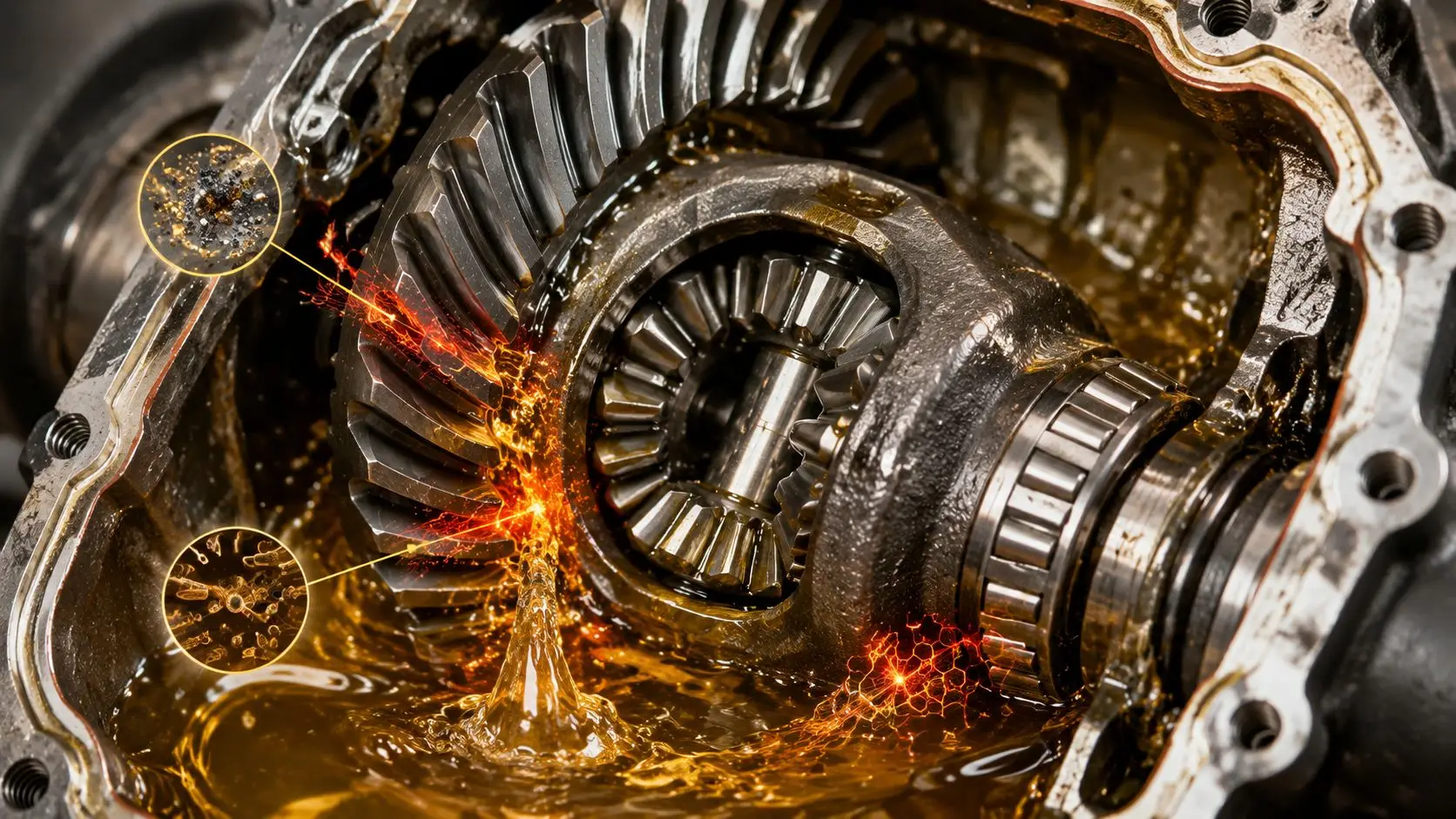
A differential lives a hard life. The gears mesh under pressure, the housing heats up and cools down, and the fluid has to keep protecting parts through all of it.
Heat, pressure, and contamination
Three things wear gear oil out over time:
- Heat: Repeated heat cycles gradually age the oil.
- Pressure: Differential gears operate under very high loads, so the fluid has to maintain a protective film between metal surfaces.
- Contamination: As parts wear normally, tiny metal particles can collect in the fluid. Moisture can also become an issue in some use cases.
That last point matters more than many owners realize. Some guidance on rear differential maintenance notes a gap in consumer advice around vehicles that sit for long periods, and it points out that moisture can get into the fluid when a vehicle sits more than it drives in certain situations, which is one reason condition matters along with mileage in real-world service decisions (Mobil rear differential fluid guidance).
Why this is more than a top-off
Old gear oil doesn't always announce itself dramatically. Sometimes the damage begins subtly. The fluid may still be present, but it's no longer protecting as well as it should.
That's why a differential fluid service is different from casually topping off a low reservoir. A proper service removes old lubricant and replaces it with fresh fluid that matches the axle's requirements. It resets the differential's protection instead of just adding more fluid to a worn-out mix.
Here's the other big point. Differential fluid is not the same as transmission fluid. Gear oil is designed for high-pressure protection in the differential, while transmission fluid serves a different job in the transmission. Using the wrong fluid can reduce protection and increase wear, which is why fluid choice matters just as much as the service itself (University Chevron on differential fluid vs transmission fluid).
Factory specs are there for a reason
Manufacturers don't list fluid specs just to make service more complicated. Viscosity, additive package, and limited-slip requirements all affect how the axle survives load.
Ford's service information makes that larger point clearly by showing how exact fluid specifications matter across modern drivetrains, including precise oil grades and capacities for severe-duty applications. The same logic applies at the differential. Matching the manufacturer-approved fluid helps maintain the protective film that gears and bearings need under load (Ford service information on fluid specifications).
Service Intervals and Warning Signs to Watch For
Many desire a single easy answer. “Just tell me the mileage.” I get it. The problem is that the right answer depends on how the vehicle lives.
A broad rule of thumb exists. Many manufacturers and service providers recommend differential fluid service every 30,000 to 60,000 miles, but the exact timing depends heavily on the vehicle and use, which is why the owner's manual is the final word, especially for towing or heavy-duty operation (Hilltop Tire Service on differential service intervals).
Normal use versus severe use
The phrase that matters in service schedules is severe service. It doesn't mean you abuse the vehicle. It means the differential sees tougher conditions more often.
You're closer to severe service if your vehicle regularly does things like:
- Towing trailers or hauling heavy loads that keep the axle under higher stress
- Stop-and-go city driving with frequent acceleration, low-speed turns, and heat buildup
- Short trips where the drivetrain sees repeated heat cycles without long steady operation
- Extended idling with load in work-truck or fleet use
- Long periods of storage followed by occasional use, where condition can matter as much as mileage
If that sounds like your driving pattern, the earlier end of the common interval is usually the safer conversation to have with your shop. If your vehicle spends most of its time cruising lightly loaded on the highway, the later end may be more reasonable. The manual still decides.
If your use is tough, don't compare your maintenance schedule to someone who only drives unloaded on the highway.
For another plain-English look at when to change differential fluid, that guide is useful because it frames the interval question around real driving habits rather than one blanket number.
Warning signs that deserve attention
Mileage isn't the only trigger. Condition matters too.
Watch for signs such as:
- Whining or howling that changes with speed
- Chatter during turns, especially with limited-slip differentials
- Visible leaks around the differential housing or axle area
- Burnt-smelling or dirty fluid if the unit is inspected
If you're noticing fluid on the ground and aren't sure what system it's coming from, this guide on fluid leaking from a car can help you narrow down what you're seeing before you schedule service.
A warning sign doesn't automatically mean the differential is ruined. It does mean the fluid and the assembly should be checked sooner, not later.
DIY Versus Professional Service Considerations
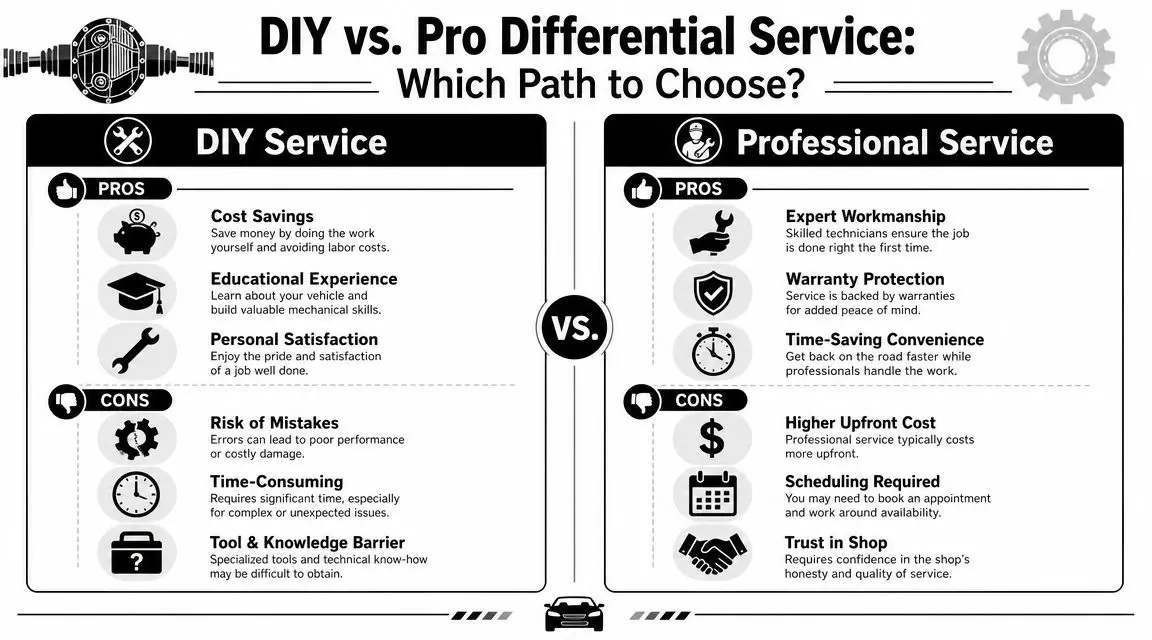
Some drivers like doing their own maintenance. Others would rather hand it to a shop and know it's done. Both approaches can make sense. The right choice depends on your tools, confidence, and how precise your vehicle's fluid requirements are.
DIY service
Doing it yourself can be satisfying. You get eyes on the housing, plugs, and old fluid. You also control the parts and timing.
DIY tends to appeal to owners who already have a basic tool setup, a safe way to lift the vehicle, and enough patience for a messy job. Depending on the axle design, you may need a drain pan, hand tools, a pump for thick gear oil, cleaning supplies, and the correct gasket or sealant approach.
The tradeoffs are real:
| Consideration | DIY reality |
|---|---|
| Fluid selection | You must verify the exact spec yourself |
| Access | Fill plugs can be tight or awkward to reach |
| Inspection | You need to know what normal versus excessive debris looks like |
| Cleanup and disposal | Used gear oil must be handled properly |
Professional service
A professional service costs more than doing it in your driveway, but it also reduces guesswork. That's especially valuable on vehicles with limited-slip differentials or manufacturer-specific fluid requirements.
The biggest reason many people choose a shop is simple. Using the correct fluid is critical. Differential fluid is distinct from transmission fluid, and using the wrong type, wrong viscosity, or skipping friction modifiers where required can reduce protection and accelerate wear, as noted earlier from manufacturer and service guidance.
A shop also gives you a second benefit. The technician can inspect what comes out. Metal on the drain plug, unusual fluid condition, or evidence of leakage can change the conversation from “routine maintenance” to “this axle may need diagnosis.”
If you're comparing routine fluid services more broadly, this overview of flushing car fluids helps show where differential service fits among the rest of a vehicle's maintenance needs. At one local option, Kwik Kar Oil Change and Auto Care lists a differential service that includes removing and inspecting the fill and drain plugs, removing old gear oil, and refilling with new gear oil. That's the kind of process-based description you want from any shop.
Fresh fluid only helps if it's the right fluid, installed correctly, at the correct fill level.
What to Expect During a Professional Service
A good differential fluid service shouldn't feel mysterious. You should be able to understand what the shop did and why it mattered.
The basic service checklist
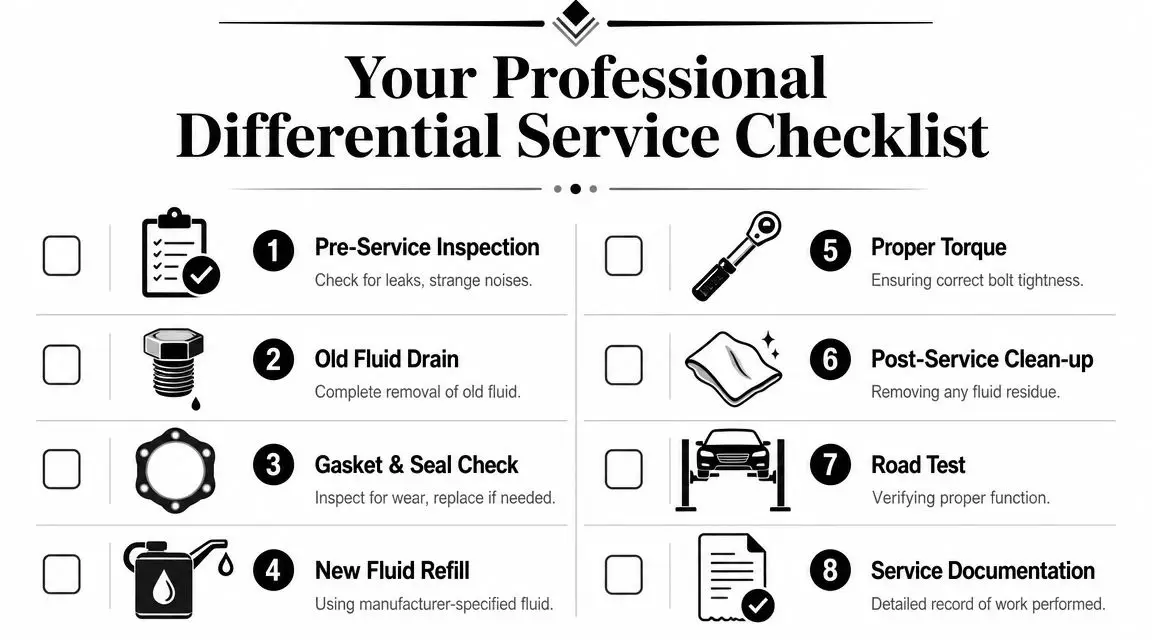
A careful technician usually works through a sequence like this:
- Inspect the housing first. Look for leaks, damage, or signs that the axle has been running low.
- Remove the fill plug before committing to the drain. That prevents the unpleasant surprise of draining the unit and then finding the fill point won't open.
- Drain the old fluid completely.
- Check the plug and fluid condition. Many drain plugs are magnetic, which helps catch metallic debris.
- Inspect seals or gasket surfaces as needed.
- Refill with the exact specified fluid and any required limited-slip additive if the manufacturer calls for it.
- Tighten plugs correctly and clean any residue so fresh leaks are easier to spot later.
- Document the service for your records.
Questions worth asking
You don't need to sound like a technician. Just ask practical questions:
- What did the old fluid look like?
- Did you see much metal on the drain plug?
- Were there any signs of leakage?
- Was the differential a limited-slip unit, and did it need a specific fluid or additive?
If you want a shop to handle the job, this page for differential service near me shows the kind of service details worth looking for when you compare providers.
A transparent answer to those questions tells you a lot about the quality of the work.
Frequently Asked Questions About Differential Service
My differential is already making noise. Will a fluid change fix it
Sometimes owners hear a whine, a growl, or chatter and hope a fluid change will make it disappear. That's understandable, but expectations matter here.
A fluid change is preventative maintenance, not a guaranteed repair. If the differential is already whining or grinding because of worn gears or bearings, fresh fluid won't reverse that damage. An inspection of the drained oil can still be very useful because it may help show how severe the wear is (UTI on what differential fluid can and cannot fix).
New fluid can help a healthy differential stay healthy. It can't rebuild worn metal parts.
If the problem is minor chatter from incorrect or aged fluid in a limited-slip unit, service may improve behavior. If the unit has mechanical wear, the fix is diagnosis and repair, not just new oil.
How much should a differential service cost
The price varies a lot by vehicle, fluid type, whether the differential needs a special additive, and how the housing is designed. Some units are straightforward drain-and-fill jobs. Others require more labor, extra cleanup, or additional inspection steps.
I'm not going to invent a price range, because the right number depends on the axle and the shop. The smart move is to ask for an estimate that lists the fluid specification being used and whether seals, gasket material, or limited-slip requirements affect the total.
Is front differential service the same as rear differential service
The idea is the same, but the hardware may not be.
On many 4WD and AWD vehicles, there may be a front differential, a rear differential, and sometimes other drivetrain components that use separate lubricants. Each one can have its own fluid specification and service procedure. Don't assume that front and rear take the same product or follow the same schedule.
Should I go by mileage or by condition
Use both. Mileage gives you the baseline. Condition and use pattern refine the decision.
If your vehicle tows, works hard in traffic, carries load, or sits more than it drives, earlier service can make sense. If you're seeing leaks, hearing noise, or noticing signs that the fluid may be compromised, inspection matters more than waiting for a mileage target.
If you want a straightforward opinion on whether your vehicle needs differential fluid service, schedule an inspection with Kwik Kar Oil Change and Auto Care. A good shop will check the axle, verify the correct fluid specification, explain what the old fluid shows, and tell you whether you're looking at routine maintenance or a repair issue.