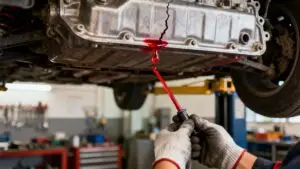



If you've ever peeked under your car, you’ve probably noticed a wide, flat metal basin bolted to the bottom of the transmission. That’s the transmission fluid pan, and it does a lot more than just sit there. Think of it as the oil pan for your gearbox—its main purpose is to hold the automatic transmission fluid (ATF) that keeps your gears shifting smoothly.
What Is a Transmission Fluid Pan and Why It Matters

While it might look like a simple metal dish, the transmission pan plays a surprisingly active role in protecting one of your vehicle's most complex and expensive components. Its job goes far beyond just storing fluid; it’s actually a central hub for maintenance and the first line of defense against internal damage.
This unassuming part is critical for several reasons, and each one contributes directly to the health and longevity of your transmission. A properly sealed and maintained pan is what keeps your transmission running smoothly, efficiently, and reliably for years to come.
A Protective Reservoir
At its most basic, the transmission fluid pan is a reservoir that holds several quarts of ATF. This fluid is the lifeblood of your transmission. It’s responsible for everything from cooling the moving parts to creating the hydraulic pressure needed to actually change gears. Without the pan holding that fluid, the transmission would overheat and fail in no time.
To keep it all contained, the pan is sealed against the bottom of the transmission with a gasket. This creates a leak-proof container that keeps the vital fluid in and contaminants like dirt and water out.
Capturing Harmful Debris
As you drive, normal operation causes microscopic metal particles to shear off internal components like gears and clutches. If those tiny particles were allowed to circulate freely, they would act like sandpaper, grinding away at sensitive parts and causing major damage.
To stop this from happening, most transmission pans have a strong magnet inside.
This magnet is strategically placed to attract and capture these metallic shavings, trapping them safely at the bottom of the pan. When a mechanic services your transmission, cleaning off this magnet is a crucial step in removing all that harmful debris from the system.
Aiding in Fluid Cooling
The transmission pan also helps cool the transmission fluid. As hot ATF circulates through the system, the pan’s large, flat surface area is exposed to air moving underneath the car. This constant airflow helps dissipate heat, keeping the fluid within its optimal temperature range—a process that’s especially important for vehicles driving around in the Texas heat here in Fort Worth.
So, to break it down, the transmission pan’s main jobs are:
- Fluid Storage: It securely holds all the automatic transmission fluid your car needs.
- Debris Collection: It uses a magnet to trap metal bits and pieces, stopping them from causing wear.
- Heat Dissipation: It helps cool the fluid by letting airflow under the vehicle carry heat away.
- Service Access: It’s the main access point for draining old fluid and replacing the transmission filter.
Once you understand these roles, it's clear the transmission pan is much more than just a bucket for fluid. It’s a key player in a system designed for precision and durability.
How the Pan Protects Your Transmission's Health

While it’s easy to think of the transmission fluid pan as just a bucket to hold fluid, it’s actually working hard as an active guardian for your transmission. It serves as a crucial first line of defense against the two biggest threats to your transmission's life: contamination and heat. Once you understand how this single part protects your vehicle, it's easy to see why keeping it in good shape is so important.
Inside every automatic transmission, you’ve got gears and clutch packs constantly working against each other. This friction naturally creates tiny metal particles. It's a normal part of wear and tear, but if those microscopic shavings just float around in the transmission fluid, they turn it into an abrasive slurry. Think of it like liquid sandpaper. This contaminated fluid can scour sensitive valve bodies, clog up tiny passageways, and wear down every moving part, leading to rough shifts, shuddering, and eventually, total failure.
The Power of Magnets and Cooling Fins
To stop this from happening, auto manufacturers embed a powerful magnet right inside the transmission pan. It's a simple but brilliant idea. This magnet’s only job is to attract and hold onto any of those stray metal particles floating in the fluid. Over thousands of miles, this magnet gets covered in a dark, metallic sludge, which is proof that it’s pulling all that harmful debris out of circulation.
This quiet cleaning process is one of the most vital, unseen jobs the pan does. When a technician performs a pan service, they'll thoroughly clean off this magnet, basically resetting your transmission's internal defense system so only clean fluid keeps flowing.
Heat is the other major enemy of your transmission. High temperatures break down transmission fluid, making it less effective at lubricating parts and creating the hydraulic pressure needed for smooth shifts. The pan's design tackles this head-on. Its large, flat surface area—usually made of steel or aluminum—acts just like a radiator. As you drive, air flows over the pan, wicking heat away from the fluid and helping keep the transmission in its happy place, temperature-wise.
Upgrading for Demanding Conditions
For vehicles that are put to the test—like trucks used for towing or SUVs navigating the demanding terrain around Fort Worth—an aftermarket deep pan is a really smart and effective upgrade. These heavy-duty pans offer a couple of key advantages:
- Increased Fluid Capacity: A deeper pan can hold several extra quarts of fluid. This larger volume of fluid takes longer to heat up, providing a bigger thermal cushion.
- Enhanced Cooling: Many deep pans are designed with external fins that dramatically increase the surface area, improving heat transfer and keeping the transmission cooler under a heavy load.
By trapping debris and helping manage heat, the transmission pan plays a silent but critical role in keeping your gear changes smooth and preventing an early, expensive breakdown. To get a better handle on how fresh fluid fits into all this, check out our guide on the benefits of changing your transmission fluid.
Recognizing the Warning Signs of a Pan Problem
Your car has its own way of talking to you. It gives you little hints—and sometimes big, loud warnings—when something’s not right. Learning to listen to these clues can be the difference between a minor fix and a major, wallet-draining transmission failure. When it comes to the transmission fluid pan, the signs are often pretty clear if you know what to look for.
Red Puddles on the Driveway
The most obvious sign of trouble is a leak. If you see reddish-brown puddles or drips on your garage floor, your transmission is losing its lifeblood. A small spot might not seem like a big deal, but even a tiny leak can drain your fluid levels over time, leading to overheating and serious damage inside the transmission.
Most of the time, the leak comes from a few common culprits. You might have a cracked pan from hitting a pothole or road debris, a drain plug that’s worked itself loose, or—most frequently—a worn-out pan gasket that’s become hard and brittle, failing to create a good seal.
Performance Issues and Strange Noises
Sometimes, you’ll feel or hear a problem long before you see a puddle on the ground. Pay close attention to how your car drives. Does it feel different?
- Difficulty Shifting: Is your car hesitating, jerking, or slamming into the next gear? Low or burnt-out transmission fluid can't build the right hydraulic pressure needed for those buttery-smooth shifts you’re used to.
- Slipping Gears: You hit the gas, the engine revs, but the car doesn't go anywhere. That's a classic sign of a slipping transmission, often caused by low or contaminated fluid.
- New Noises: A happy transmission is a quiet one. If you suddenly hear whining, buzzing, or clunking sounds that get louder as you accelerate, that's a serious red flag.
These performance quirks are almost always tied to the fluid’s level and condition—both of which depend on a healthy transmission pan. When the fluid is low, burnt, or full of gunk, your transmission is essentially starving and can't do its job right.
A transmission that’s noisy or shifting hard is screaming for help. Ignoring it is the fastest way to turn a simple repair into a full transmission replacement, an outcome that can easily run into thousands of dollars.
To help you connect the dots, here’s a quick guide to what your car might be trying to tell you.
Transmission Problem Diagnostic Chart
This chart links common symptoms back to their likely causes, helping you figure out what might be going on under the hood.
| Symptom | Potential Cause | What to Do |
|---|---|---|
| Reddish puddle under car | Damaged pan, loose drain plug, or failing gasket | Inspect the pan for cracks and leaks. Tighten plug or schedule a gasket service. |
| Harsh or delayed shifting | Low or burnt transmission fluid | Check fluid level and condition. A fluid and filter change may be needed. |
| Engine revs but car doesn't accelerate | Very low fluid level or internal slipping | Top off fluid immediately and get it inspected. This is a serious issue. |
| Whining or buzzing sounds | Low fluid or contaminated fluid causing pump to strain | Do not drive if possible. Have it towed to a professional for diagnosis. |
| Burnt smell | Overheating transmission fluid | Check fluid color and smell. This requires an immediate fluid service. |
Remember, this is just a starting point. A professional diagnostic is always the best way to be certain.
What Should I Do If I Notice These Signs?
If you see, feel, or hear any of these symptoms, your first move is a quick visual check. Once the engine is cool, take a peek under your vehicle and look for any obvious leaks around the transmission pan. You can also check your transmission fluid with the dipstick (if your car has one). Healthy fluid should be bright red and mostly clear. If it’s dark brown, black, or smells burnt, it’s well past its prime.
For a deeper dive into what a leak might mean, we've got more information on how to handle a transmission fluid leak in Fort Worth. Catching these problems early is the single best thing you can do for your car and your budget.
DIY Pan Service vs. Calling a Professional
So, you've noticed a sign that your transmission might need some attention, and you're weighing your options. Should you roll up your sleeves and tackle the pan service yourself, or is this a job best left to the pros? It's a classic dilemma for any car owner.
For the confident home mechanic, a "pan drop" might sound like a manageable weekend project. The basic steps seem simple enough: drain the old fluid, unbolt the transmission pan, clean everything up inside, swap out the filter and gasket, and refill it. Easy, right?
Well, not so fast. This job is notorious for its hidden pitfalls, and a small mistake can quickly escalate into a full-blown transmission disaster. First and foremost, there's the safety risk. You'll be working under a vehicle that weighs thousands of pounds, so it must be secured on proper jack stands. Your car's emergency jack just won't cut it. And if the car was recently running, that transmission fluid can be hot enough to cause some nasty burns.
This infographic highlights the classic red flags—leaks, weird shifting, and strange noises—that scream "transmission problem."

When you see any of these signs, it's a clear signal that the health of your fluid and the integrity of the pan need to be checked out.
The Technical Risks of DIY Service
Beyond just staying safe, the technical side of this job is where many DIY attempts go wrong. Those bolts holding the transmission fluid pan on? They need to be tightened with surgical precision. There’s a specific torque setting and often a particular tightening sequence you have to follow. If you overtighten them, you risk stripping the threads in the aluminum transmission case or warping the pan itself, which guarantees a leak that won't go away. Under-tighten, and you’ve got the same problem: a messy puddle on your driveway.
The single biggest mistake a DIYer can make is using the wrong type of transmission fluid. Unlike motor oil, automatic transmission fluids are not interchangeable. Using the incorrect fluid can cause shifting problems, overheating, and rapid internal damage, potentially destroying your transmission.
This is one of those jobs where "close enough" can lead to a very expensive lesson. Handing it off to a professional team eliminates these risks and ensures every single step is done by the book.
Why Professional Service Is the Smarter Choice
For most drivers here in Fort Worth, calling a professional is simply the safest and most reliable way to go. Bringing your car to an ASE-certified shop like Kwik Kar is an investment in doing the job right the first time. Here’s what you get:
- Specialized Tools and Equipment: We have hydraulic lifts to get safe, easy access under your car, perfectly calibrated torque wrenches, and fluid exchange machines if a complete flush is what you need.
- Access to Correct Parts: Our technicians know the exact gasket, filter, and—most importantly—the vehicle-specific transmission fluid your car requires. We take all the guesswork out of the equation.
- Experience and Efficiency: Our team has done this service thousands of times. We know what to look for and can spot subtle signs of wear on other parts, like seals or mounts, that a home mechanic might miss. This helps prevent future breakdowns.
- Clean and Proper Disposal: Let's be honest, it's a messy job. We handle draining and disposing of all that old, grimy transmission fluid according to environmental regulations, so you don't have to.
While the idea of saving a few bucks with a DIY repair is tempting, your transmission is one of the most complex and expensive components in your car. A small mistake can easily turn into a repair bill costing thousands. Trusting your transmission pan service to our expert technicians in Fort Worth guarantees the job is done right, protecting your vehicle's health and giving you total peace of mind.
Breaking Down Transmission Pan Service Costs
When your transmission starts acting up, one of the first questions that pops into your head is usually, "How much is this going to set me back?" The good news is that taking care of your transmission fluid pan with proactive maintenance is a whole lot more affordable than facing a full transmission replacement. The final bill depends on a few key things, so knowing what they are will help you know what to expect.
Your vehicle's make and model play the biggest role here. A simple gasket swap on a common domestic sedan might be relatively inexpensive. On the other hand, a full pan replacement on a high-end European SUV or a heavy-duty truck will naturally cost more because the parts themselves are more specialized and pricier. The type of service needed is the other major factor.
Gasket and Filter vs. Full Pan Replacement
Most of the time, a leak or a routine service just calls for a new gasket and filter. This is often called a "pan drop" service, and it's pretty straightforward. The cost mostly covers the technician's time to drain the old fluid, remove the pan, clean off the gunk from the internal magnet, pop in the new filter and gasket, and refill it with the right type of fluid. This is by far the most common—and most affordable—procedure.
A complete pan replacement is much less frequent. It's usually only necessary if the pan itself is cracked, punctured, or so rusted out that it can’t be saved. For this job, the price will include the cost of a brand-new transmission fluid pan on top of the labor and fluid. If you opt for an aftermarket or performance pan, those can also vary quite a bit in price.
Investing in a professional pan service is a smart, cost-effective strategy. Paying for expert labor and quality parts now is a small price compared to the thousands of dollars a complete transmission failure could cost you down the road.
Typical Price Ranges for Professional Service
To give you a clearer picture, here are some realistic cost estimates you might see for a professional service at a shop like Kwik Kar in Fort Worth.
Estimated Service Costs:
- Pan Gasket & Filter Service: You can typically expect this to range from $175 to $450. This covers the gasket, filter, new fluid, and the labor involved. The final cost often hinges on the type and amount of transmission fluid your vehicle needs, as some of the newer synthetic fluids are more expensive.
- Full Pan Replacement: If the pan itself has to be replaced, the cost generally falls between $300 and $800+. This includes the price of the new pan, which can vary from under a hundred dollars for a standard steel pan to several hundred for a specialized aluminum or deep pan.
These ranges reflect the value of getting the job done right the first time. At Kwik Kar, our ASE-certified technicians always use the correct, vehicle-specific parts and fluids to make sure your transmission is protected. You can learn more about the specifics of what a full transmission service entails and why each step is so important for your car's health. This transparency helps you budget accordingly and see the long-term value in professional care.
Your Transmission Pan Questions Answered
We’ve talked about the important job your transmission fluid pan does, from keeping gears safe to cooling down that vital fluid. Now, let's dig into some of the most common questions we hear from drivers just like you. This should clear a few things up and help you feel more confident about what's happening under your car.
How Often Should I Service My Transmission Pan?
This is easily one of the top questions we get, and the honest answer is: it depends on how you drive. For most cars under normal conditions, manufacturers suggest a transmission fluid and filter service every 30,000 to 60,000 miles. But let's be real, "normal conditions" aren't always the reality here.
If you’re often stuck in stop-and-go Fort Worth traffic, hauling a trailer, or just surviving our hot Texas summers, your transmission is working overtime. In those more demanding situations, getting your transmission serviced closer to the 30,000-mile mark is a smart, preventative move. Next time you're in for an oil change, just ask us. Our technicians can do a quick visual check and look at your fluid to give you a personalized recommendation.
Are Stop-Leak Additives a Good Idea?
When you spot a small drip from your transmission pan gasket, it's tempting to grab a bottle of stop-leak from the auto parts store. While these products might give you a temporary patch, they are absolutely not a long-term solution. Stop-leak additives work by making rubber seals swell up, which can plug a tiny leak for a little while.
The real issue is that they don't fix what's actually broken—a gasket that's gotten old, hard, and brittle.
Using stop-leak products can sometimes create bigger headaches. The same chemicals that swell the pan gasket can also damage other sensitive seals inside the transmission itself, leading to much more serious problems down the road. For a reliable, permanent fix, replacing the old gasket is always the right call.
Why Is My Transmission Fluid Brown Instead of Red?
Fresh, healthy automatic transmission fluid (ATF) has a distinct bright, translucent red color. Over time, it will naturally get darker as it does its job lubricating parts and picking up tiny bits of debris. But if you check your fluid and find it’s turned a murky brown or even black, that's a major red flag.
This deep discoloration means the fluid is old, oxidized, and full of contaminants. It’s lost its ability to properly cool and protect your transmission’s delicate internal parts. Usually, you’ll notice a distinct burnt smell, too. If your fluid looks dark, don’t put it off—it's time for a professional fluid exchange and pan service to head off overheating and serious wear and tear.
Is Upgrading to a Deep Transmission Pan Worth It?
For the vast majority of cars that are just used for daily driving, the factory transmission fluid pan is more than enough. It was designed to handle the normal grind of commuting. However, for certain situations, upgrading to a deep pan can be a fantastic investment.
A deep pan really shines on trucks and SUVs that do heavy-duty work, such as:
- Towing a boat, camper, or trailer
- Hauling heavy loads in the truck bed
- Off-roading or driving in hilly, mountainous country
These aftermarket pans hold more fluid, which is a huge help in keeping the transmission running cooler when it's under a lot of stress. Many of them even have cooling fins on the outside to get rid of heat even faster. If you regularly push your vehicle hard, a deep pan adds an extra layer of defense against heat-related damage.
If you have other questions or you're seeing any of the warning signs we've covered, don’t hesitate to get in touch. The certified team at Kwik Kar Oil Change and Auto Care is here to give you the expert diagnostics and professional service your vehicle deserves. Schedule your appointment today and drive with total confidence.