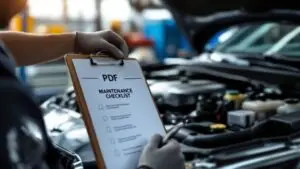



Before you turn the key and shift into drive, the most critical part of any road trip has already begun. Whether you're planning a cross-country adventure or just a short drive across Fort Worth, a thorough vehicle inspection is your first line of defense against unexpected breakdowns, costly repairs, and dangerous situations on the road. Many drivers overlook these simple checks, assuming their car is ready to go, but temperature changes, daily wear, and hidden issues can turn a dream vacation into a roadside nightmare. This guide provides a comprehensive, 8-point pre trip vehicle inspection checklist designed to empower you with the knowledge to assess your vehicle's health and safety.
We'll break down each critical system, from tires and fluids to brakes and belts, with actionable steps you can perform right in your driveway. You will learn not only what to check but also how to identify potential problems before they escalate. For a comprehensive approach to vehicle preparedness, consider reviewing an ultimate used car inspection checklist that covers many similar points crucial for evaluating a vehicle's long-term health.
This checklist also provides clear guidance on when a quick DIY check is sufficient and when it's time to bring your vehicle to the ASE-certified technicians at Kwik Kar for a professional inspection. Following this list isn't just about achieving peace of mind; it's an essential practice for ensuring the safety of you, your passengers, and everyone else sharing the road. Let's get started on making your next journey a safe and successful one.
1. Tire Condition and Pressure Inspection
Your tires are the only part of your vehicle that directly contacts the road, making their condition fundamental to your safety. A thorough tire inspection is a non-negotiable first step in any pre trip vehicle inspection checklist. This check involves evaluating three critical areas: air pressure, tread depth, and overall physical condition. Properly maintained tires ensure optimal handling, braking, and fuel efficiency, while neglecting them can lead to poor performance, blowouts, and dangerous loss of control.
This simple yet vital check provides an immediate snapshot of your vehicle’s health. For instance, a Fort Worth driver planning a long weekend trip to Austin can prevent a dangerous highway blowout by taking five minutes to check tire pressure before leaving. Similarly, fleet managers who implement routine tire inspections minimize vehicle downtime and enhance driver safety, directly impacting their bottom line.
How to Perform a Quick Tire Inspection
Follow this straightforward process to assess your tires quickly and effectively.
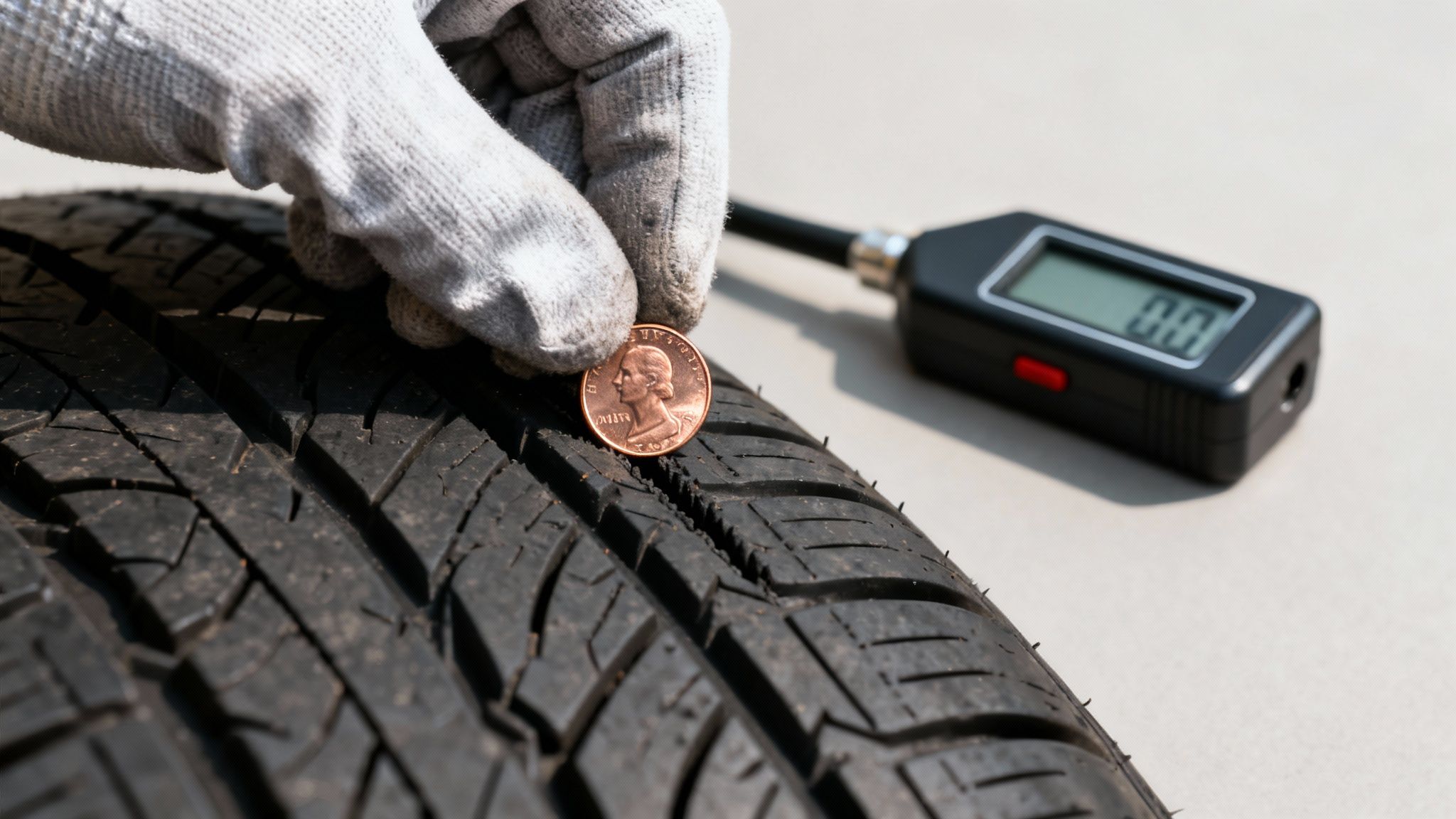
- Check Pressure: Use a quality tire pressure gauge to check the PSI of each tire, including the spare. Crucially, do this when the tires are "cold" (before driving or at least three hours after). The correct PSI is listed on the sticker inside the driver's side door jamb, not on the tire's sidewall.
- Inspect Tread Depth: The classic "penny test" is a reliable indicator. Insert a penny into the tread with Lincoln's head upside down. If you can see the top of his head, your tread is worn below the safe limit of 2/32 of an inch and needs immediate replacement.
- Examine Sidewalls and Surface: Visually scan each tire's surface and sidewalls for any cuts, cracks, bulges, or embedded objects like nails or screws. These signs of damage can compromise the tire's structural integrity.
Key Insight: Uneven tire wear is often a symptom of a larger issue. If you notice the inside or outside edge of a tire is wearing faster than the rest, it’s a strong indicator of a wheel alignment problem that needs professional attention.
If you discover low tread, persistent pressure loss, or visible damage, it's a clear signal to seek professional help. The ASE-certified technicians at Kwik Kar can perform a comprehensive tire and alignment inspection to diagnose underlying issues and ensure your vehicle is safe for the road.
2. Fluid Level and Condition Check
Your vehicle's fluids are its lifeblood, responsible for lubricating, cooling, cleaning, and enabling critical functions like braking. A comprehensive fluid check is a cornerstone of any pre trip vehicle inspection checklist, preventing catastrophic failures from overheating to brake loss. This inspection involves checking the level and condition of engine oil, coolant, brake fluid, transmission fluid, and washer fluid. Properly maintained fluids ensure reliability and longevity, while neglect can lead to expensive engine damage or severe safety hazards.
This vital check is a direct indicator of your vehicle's internal health. For example, a fleet manager in Fort Worth who institutes weekly fluid checks can identify a slow coolant leak before it causes a delivery truck to overheat and break down on I-35. Similarly, a family planning a summer road trip can avoid brake failure by noticing that their brake fluid has become dark and contaminated, signaling the need for a system flush before they depart.
How to Perform a Quick Fluid Inspection
Follow this process to assess your vehicle's essential fluids. For safety, perform these checks when the engine is cool and parked on a level surface.
- Check Engine Oil: Remove the dipstick, wipe it clean, reinsert it fully, then pull it out again. The oil level should be between the "Full" and "Add" marks. Note the color: fresh oil is typically amber, while dark black oil indicates it's time for a change.
- Inspect Coolant (Antifreeze): Look at the translucent coolant reservoir. The fluid level should be between the minimum and maximum lines. Never open a hot radiator cap. The fluid should be brightly colored (green, orange, or pink) and not look murky or rusty.
- Examine Brake Fluid: Locate the small, typically transparent brake fluid reservoir near the back of the engine bay. The level should be near the "MAX" line. The fluid should be clear to light amber; if it's dark brown or black, it has absorbed moisture and needs to be replaced.
- Check Washer Fluid: This is the easiest check. Visually inspect the washer fluid reservoir and top it off if it’s low to ensure clear visibility in all conditions.
Key Insight: A consistent drop in any fluid level is a red flag for a leak. A sweet smell after driving often points to a coolant leak, while dark spots on your driveway could indicate an oil or transmission fluid leak that requires immediate professional diagnosis.
If you find that any fluid is consistently low, discolored, or has a burnt smell, it signals an underlying problem that needs expert attention. The certified technicians at Kwik Kar can perform a complete fluid system analysis, identify leaks, and conduct professional fluid flushes to keep your vehicle running safely and reliably.
3. Brake System Inspection
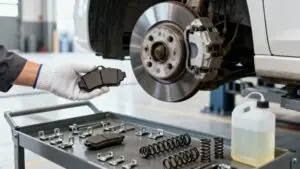
Your vehicle's ability to stop safely and effectively is paramount, making a thorough brake system evaluation a critical component of any pre trip vehicle inspection checklist. This inspection goes beyond just pressing the pedal; it involves a look at the brake fluid, lines, pads, and rotors. Ensuring your brakes are in top condition provides the stopping power you need in emergencies and prevents catastrophic failures that could lead to a serious accident.
This vital check prevents dangerous situations and costly repairs down the road. For instance, a Fort Worth driver planning a trip through the steep grades of the Texas Hill Country can ensure their brakes won't overheat and fail by checking them first. Likewise, fleet managers who mandate brake checks before long-haul trips protect their drivers and their assets, meeting both safety and compliance standards. For commercial vehicles, a complete understanding of HGV brake testing legal requirements is crucial for maintaining optimal braking performance and compliance.
How to Perform a Quick Brake System Check
Use this process to assess the key components of your braking system. While a full professional inspection is best, these steps can reveal obvious problems.
- Check Brake Fluid: Locate the brake fluid reservoir in the engine bay (a small, often translucent plastic container). Ensure the fluid level is between the "MIN" and "MAX" lines. The fluid should be nearly clear or slightly amber; dark, murky fluid indicates it's old and needs to be replaced.
- Listen for Noises: With the windows down and radio off, drive slowly and listen as you apply the brakes. A high-pitched squeal often means the brake pad wear indicators are touching the rotor. A grinding or crunching sound suggests the pads are completely worn down, causing metal-on-metal contact.
- Feel the Pedal: Pay attention to how the brake pedal feels under your foot. It should be firm and responsive. If it feels "spongy," soft, or sinks to the floor, you may have air in the brake lines or a fluid leak. A vibrating or pulsating pedal often points to warped brake rotors.
Key Insight: Longer stopping distances are a red flag that should never be ignored. If you notice your car takes more effort or distance to come to a complete stop, it's a clear sign of brake system degradation that requires immediate professional diagnosis.
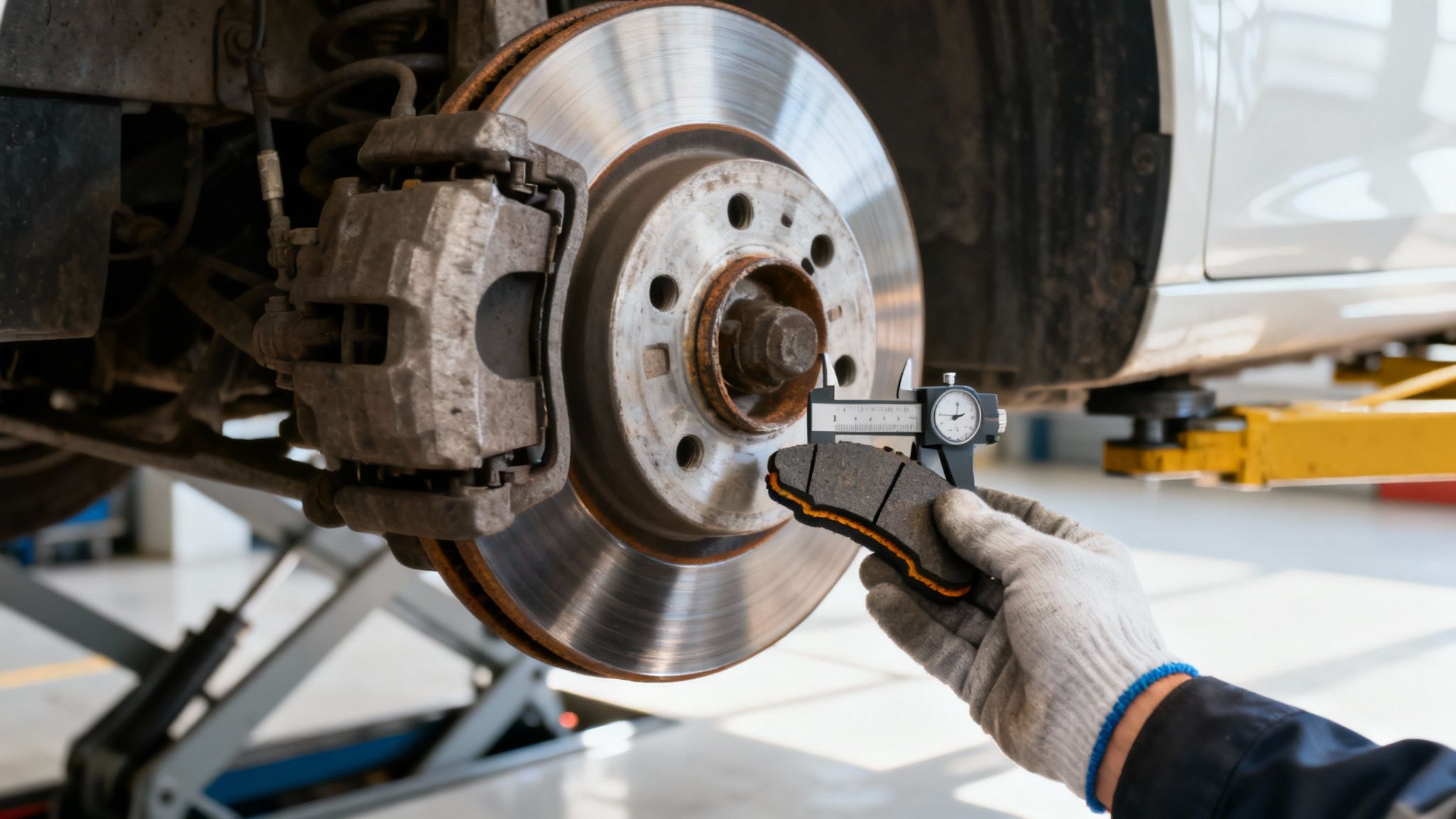
If you hear grinding, feel a spongy pedal, or notice dark fluid, it’s time for professional service. To understand exactly what's involved in a professional fix, you can learn more about what a comprehensive brake service includes. The certified technicians at Kwik Kar can accurately measure brake pad thickness, inspect rotors, and ensure your entire braking system is ready to keep you safe on your journey.
4. Battery and Electrical System Check
Your vehicle's battery and electrical system are the nerve center of its operation, powering everything from the starter motor to the headlights and infotainment system. A weak battery or a failing alternator can leave you stranded without warning, making this check a critical part of any pre trip vehicle inspection checklist. This inspection focuses on the battery's health, its physical connections, and the performance of the charging system to prevent unexpected electrical failures.
This proactive check provides peace of mind before you hit the road. For example, a driver in Texas knows that intense summer heat accelerates battery degradation; checking the battery before a long road trip can prevent them from being stranded in triple-digit temperatures. Similarly, a fleet manager can ensure their backup vehicles are always ready for service by regularly verifying the health of each battery and charging system, preventing costly downtime.
How to Perform a Quick Electrical System Check
Follow these steps to assess the core components of your vehicle's electrical system.
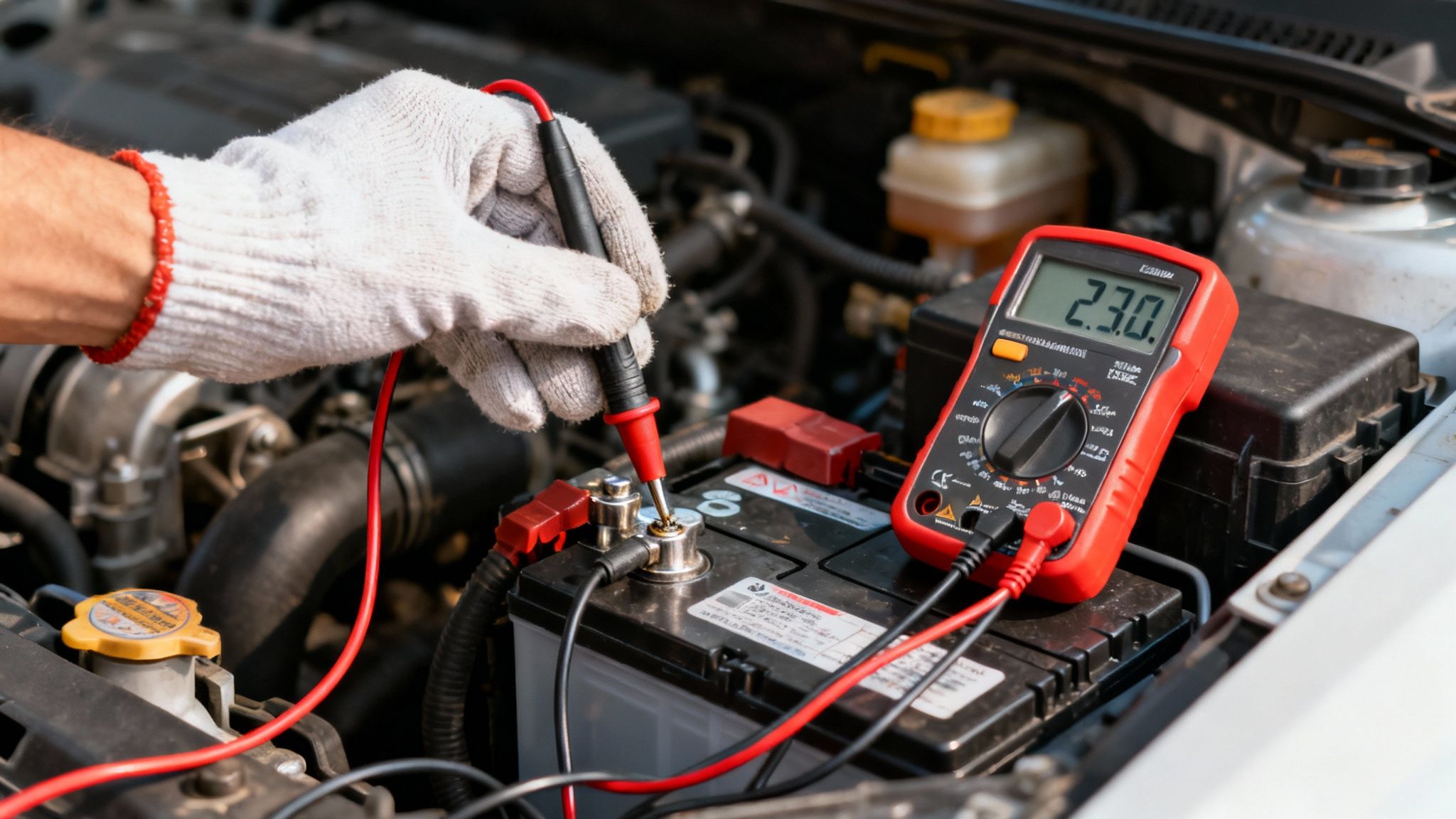
- Inspect Battery Terminals: Visually examine the battery terminals where the cables connect. Look for a white, blue, or greenish powdery substance, which is corrosion. This buildup can prevent a solid connection and inhibit starting power. Also, ensure the cable connectors are tight and do not wiggle.
- Check Battery Age: Most car batteries last between 3 to 5 years. Look for a sticker on the battery case that indicates its manufacturing or installation date. If it’s approaching the end of its typical lifespan, consider having it tested professionally.
- Test Electrical Components: With the engine running, turn on your headlights. If they appear dim or flicker when you rev the engine, it could signal a problem with your alternator. Also, listen for a slow or sluggish crank when starting the vehicle, a classic sign of a weak battery.
Key Insight: A battery that repeatedly dies is often a symptom of a faulty alternator, not just a bad battery. The alternator is responsible for recharging the battery while the engine runs; if it fails, a new battery will quickly be drained, leaving you stranded again.
If you notice any corrosion, a slow start, or dimming lights, it’s a clear sign to seek professional diagnostics. The ASE-certified technicians at Kwik Kar can perform a comprehensive battery load test and alternator output test to pinpoint the exact issue, ensuring your vehicle’s electrical system is reliable for your journey.
5. Light and Visibility System Verification
Your vehicle's lighting system is its primary means of communication with other drivers, making it a critical safety component. A complete check of all lights ensures you can see and be seen, which is fundamental for avoiding accidents, especially at night or in adverse weather. This part of the pre trip vehicle inspection checklist involves verifying your headlights, taillights, brake lights, turn signals, and hazard lights are all functioning correctly. Properly working lights are not just a safety requirement; they are a legal one, essential for passing state inspections and avoiding traffic citations.
This quick verification can have a major impact on safety. Consider a Fort Worth driver heading out for an early morning commute; discovering a burnt-out headlight before leaving prevents a dangerous, low-visibility drive and a potential ticket. Similarly, a delivery fleet manager who insists on daily light checks reduces the company's liability and protects drivers making deliveries after dusk, ensuring they are clearly visible to other motorists on the road.
How to Perform a Quick Light and Visibility Check
Follow this simple process to ensure your vehicle's communication and visibility systems are in perfect working order.
- Test All Exterior Lights: With the vehicle in park, turn on your headlights (both low and high beams), turn signals (left and right), and hazard lights. Walk around the vehicle to confirm every bulb is illuminated. It's often helpful to have a second person stand outside to verify the brake lights and reverse lights as you engage them.
- Check for Lens Clarity: Inspect the headlight and taillight housings. Are they foggy, yellowed, or cracked? Hazy lenses can significantly reduce light output, compromising your visibility even if the bulb is working perfectly.
- Verify Interior Lights: Don't forget the interior dome lights and dashboard illumination. These are crucial for being able to see your controls and gauges while driving at night.
Key Insight: A light that flickers or appears dim is often an early warning sign of a failing bulb or a deeper electrical issue. Addressing it promptly can prevent it from failing completely at an inconvenient or dangerous time.
If you find a non-functional bulb, a cracked lens, or suspect an electrical problem, it's a clear signal that professional service is needed. The ASE-certified technicians at Kwik Kar can quickly diagnose whether it's a simple bulb replacement or a more complex wiring issue, ensuring your vehicle remains safe and legally compliant for any journey.
6. Windshield, Wipers, and Visibility Assessment
Your ability to see the road clearly is paramount to safe driving, and this is entirely dependent on the condition of your windshield and wiper system. This essential part of any pre trip vehicle inspection checklist involves checking for windshield damage, evaluating wiper blade effectiveness, and ensuring your washer fluid is topped off. Neglecting this system can severely impair your vision during sudden Texas downpours or on dusty highways, creating a significant and avoidable safety hazard.
This check is crucial for handling unpredictable weather. For example, a Fort Worth driver heading west towards Abilene can suddenly encounter a dust storm; effective wipers and ample washer fluid are critical for maintaining visibility. Likewise, fleet managers who enforce a regular wiper blade replacement schedule reduce the risk of weather-related incidents for their drivers, ensuring both safety and operational reliability.
How to Perform a Quick Visibility Check
Use this simple process to ensure your line of sight will remain clear, no matter the conditions.
- Inspect the Windshield: Carefully scan the entire windshield from both inside and outside the vehicle. Look for any chips, stars, or cracks. Small chips can often be repaired, but they can quickly spread if left untreated, especially with temperature changes.
- Test the Wipers and Fluid: Turn on your wipers and spray the washer fluid. The blades should glide smoothly and silently across the glass, clearing water without leaving streaks or skipping. Check the washer fluid reservoir under the hood and top it off if it’s low.
- Examine the Wiper Blades: Lift the wiper arms and run your finger along the rubber edge of each blade. Check for signs of cracking, tearing, or hardening. Damaged or worn-out rubber is a clear indication that the blades need replacement.
Key Insight: A small chip or crack in your windshield might seem minor, but it compromises the structural integrity of the glass. If the damage is larger than a quarter or is directly in the driver's line of sight, a full replacement is often required for safety and to pass a Texas state inspection.
If you find significant windshield damage or your wipers are streaking, chattering, or failing to clear the glass effectively, it’s time for professional service. The certified team at Kwik Kar can quickly replace your wiper blades and top off fluids, or provide a trusted recommendation for windshield repair, ensuring your visibility is never compromised.
7. Engine Performance and Mechanical Condition Evaluation
Your vehicle’s engine is its heart, and its smooth operation is non-negotiable for a safe and reliable journey. A thorough engine evaluation is a critical part of any pre trip vehicle inspection checklist, going beyond simple fluid checks to assess its mechanical health. This inspection involves looking for leaks, checking belts and hoses for wear, and listening for any unusual sounds that could signal an impending failure.
This proactive check can prevent catastrophic failures and costly roadside repairs. For example, a Fort Worth driver who notices a cracked serpentine belt before a summer road trip can prevent a breakdown caused by an overheating engine or dead battery. Similarly, fleet managers who mandate these engine checks ensure their vehicles are in peak condition, protecting their assets and drivers on long-haul deliveries.
How to Perform a Quick Engine Inspection
Follow this straightforward process to assess your engine's basic mechanical health.
- Check for Leaks: Before starting the car, look for any fresh drips, stains, or puddles on the ground where it was parked overnight. Bright green could be coolant, dark brown or black is likely oil, and red might be transmission fluid.
- Inspect Belts and Hoses: With the engine off and cool, visually examine the serpentine belt for cracks, fraying, or glazing. Squeeze the major coolant hoses; they should feel firm, not rock-hard or mushy.
- Listen to the Engine: Start the vehicle and listen for any abnormal sounds. Ticking, knocking, squealing, or whining noises are all indicators of potential problems that require immediate attention. Pay attention to how the engine feels; any new vibrations or rough idling are cause for concern.
Key Insight: The serpentine belt is a single, continuous belt that powers multiple critical components, including the alternator, power steering pump, and water pump. If it fails, your vehicle will stop running almost immediately, making its pre-trip inspection absolutely vital.
If you find fluid leaks, see visible damage on belts and hoses, or hear concerning noises, it's a clear signal you need professional diagnostics. The ASE-certified technicians at Kwik Kar can accurately diagnose these issues, and you can learn more about common engine trouble signs to be better prepared. A professional assessment will ensure your vehicle’s engine is ready for any trip.
8. Suspension, Steering, and Alignment Inspection
Your vehicle's suspension and steering systems are critical for maintaining control, ensuring a smooth ride, and preventing premature tire wear. A proper inspection of these components is a vital part of any pre trip vehicle inspection checklist. This check evaluates wheel alignment, steering responsiveness, and suspension components like shocks and struts to ensure your vehicle handles predictably and safely. Ignoring these systems can lead to poor handling, increased stopping distances, and dangerous instability, especially at highway speeds.
This check provides crucial insight into your vehicle's stability and safety. For example, a Fort Worth family planning a drive through the winding roads of the Texas Hill Country can ensure their vehicle handles sharp turns safely by confirming their suspension is in top condition. Similarly, fleet managers who include alignment checks in their pre-trip routines significantly reduce long-term costs by extending tire lifespan and improving fuel economy across their vehicles.
How to Perform a Quick Suspension and Steering Check
Follow this process to identify potential issues with your vehicle’s handling systems.
- Listen and Feel: While driving on a familiar road, listen for any clunking, squeaking, or knocking sounds when going over bumps. These noises often point to worn-out suspension components like bushings or ball joints. Pay attention to how the car feels; excessive bouncing after a bump indicates worn shocks or struts.
- Check for Pulling: On a straight, level road, briefly and safely loosen your grip on the steering wheel. If the vehicle consistently pulls to one side, it’s a classic symptom of a wheel alignment problem.
- Inspect Steering Play: When parked, turn the steering wheel slightly. There should be an immediate response from the wheels. Excessive "play" or looseness before the wheels turn suggests worn steering components like tie rods.
Key Insight: Uneven tire wear is one of the most reliable visual cues for suspension and alignment problems. Patterns like "cupping" (scalloped dips in the tread) or heavy wear on just the inner or outer edges strongly suggest that a professional alignment or suspension inspection is overdue.
If you notice your vehicle pulling, hear unusual noises over bumps, or see strange tire wear patterns, it's time for a professional diagnosis. To understand these symptoms better, you can explore the common signs your car needs an alignment. The ASE-certified technicians at Kwik Kar can perform a precision alignment and comprehensive suspension inspection to correct any issues, ensuring your vehicle is stable, safe, and ready for your trip.
8-Point Pre-Trip Vehicle Inspection Comparison
| Inspection Item | 🔄 Complexity | ⚡ Resources | 📊 Expected outcomes | 💡 Ideal use cases | ⭐ Key advantages |
|---|---|---|---|---|---|
| Tire Condition and Pressure Inspection | Low — visual checks and gauge use; basic PSI knowledge | Tire pressure gauge, penny or tread gauge; few minutes | Better handling, improved fuel economy, reduced blowout risk | Pre-trip highway travel, fleet pre-departure, long trips | Prevents blowouts; low cost; extends tire life |
| Fluid Level and Condition Check | Low–Moderate — multiple fluids require correct procedure | Dipstick, coolant reservoir check, fluid samples; ~10–20 min | Prevents engine damage, overheating, brake failure | Seasonal trips, before long drives, high-mileage vehicles | Early leak detection; high safety impact; inexpensive |
| Brake System Inspection | Moderate — visual + measurements; may need lifts/tools | Pad gauge, visual inspection tools, possible brake-fluid tester | Ensures stopping power, predictable braking, prevents failures | Mountain driving, heavy loads, DOT/fleet inspections | Prevents accidents; avoids costly rotor damage if caught early |
| Battery and Electrical System Check | Moderate — testing equipment and diagnostics often needed | Multimeter, load tester; possible professional diagnostics | Reduces no-starts, identifies alternator/terminal issues | Hot/cold seasons, long trips, aging batteries (3–5 yrs) | Prevents stranding; schedules timely replacements |
| Light and Visibility System Verification | Low — functional checks; alignment may need pro | Spare bulbs, tester, alignment service if needed; quick check | Ensures visibility, legal compliance, reduces citation risk | Night driving, low-visibility routes, fleet operations | Inexpensive fixes; improves communication with other drivers |
| Windshield, Wipers, and Visibility Assessment | Low — visual checks; simple replacements or repairs | Wiper blades, washer fluid, chip-repair kits; brief service | Maintains clear sightlines; reduces rain/dust-related incidents | Rain-prone seasons, dusty highways, pre-trip prep | Quick, low-cost fixes; prevents visibility-related accidents |
| Engine Performance and Mechanical Condition Evaluation | Moderate–High — visual + listening; diagnostics may be required | Visual inspection tools, diagnostic scanner for deeper issues | Detects leaks, worn belts/hoses, prevents mid-trip breakdowns | High-mileage vehicles, long-haul trips, pre-season checks | Early detection of serious issues; prevents costly failures |
| Suspension, Steering, and Alignment Inspection | Moderate — requires road test and alignment equipment | Lift, alignment machine, road-test time; specialist service | Ensures stable handling, reduces uneven tire wear, safer control | Mountain/curvy roads, towing, persistent tire wear/pulling | Improves handling and tire life; critical for safety at speed |
Your Trusted Partner for a Road-Ready Vehicle
Your journey to becoming a more proactive and prepared vehicle owner begins with the consistent application of a thorough pre trip vehicle inspection checklist. By methodically working through the critical systems we’ve detailed, from the ground-up inspection of your tires and wheels to the essential checks of your fluids, brakes, and electrical components, you transform a routine task into a powerful safety habit. This checklist is more than a simple to-do list; it's a foundational practice that builds confidence, prevents costly surprises, and, most importantly, protects you and your passengers on every drive.
Think of each checkpoint as a conversation with your vehicle. A low tire pressure reading is a warning of a potential blowout. A dip in your coolant level might signal a hidden leak that could lead to overheating miles from home. Flickering lights could indicate a failing alternator, leaving you stranded unexpectedly. By performing these inspections, you learn to listen to what your car is telling you, catching small issues before they escalate into major, trip-ruining failures.
The Power of Proactive Maintenance
The true value of this checklist lies in its ability to shift your mindset from reactive repair to proactive care. Instead of waiting for a dashboard warning light to illuminate or a strange noise to become a critical problem, you are taking control. This proactive approach not only enhances safety but also extends the life of your vehicle and saves you money in the long run.
Remember the key takeaways from our guide:
- Consistency is Crucial: Make the pre-trip check a non-negotiable part of your routine, whether you're heading to the office or across the country.
- Context Matters: Adjust the depth of your inspection based on the length and demands of your trip. A cross-country road trip requires a more detailed examination than a daily commute.
- Know Your Limits: While this DIY checklist is incredibly effective for identifying common problems, it's vital to recognize when professional expertise is necessary.
When to Trust the Professionals at Kwik Kar
Your at-home inspection is your first line of defense, but it's not the last. If you uncover an issue that seems complex, persistent, or safety-critical, the next step is clear: seek professional help. Issues like spongy brakes, mysterious fluid leaks, complex engine noises, or persistent electrical glitches require the diagnostic tools and experience of certified technicians.
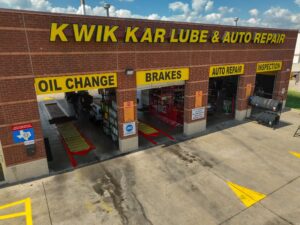
Attempting to fix these problems without the proper knowledge or equipment can often make things worse, leading to more expensive repairs or, even more concerning, a false sense of security. Your safety, and the safety of others on the road, is too important to risk. At Kwik Kar on White Settlement Road, we bridge the gap between your diligent checks and the expert service needed to ensure your vehicle is truly road-ready. Our ASE-certified team uses state-of-the-art equipment to diagnose and resolve the very issues you might uncover, providing the ultimate peace of mind.
Embrace this pre trip vehicle inspection checklist as your trusted roadmap to safer travels. It empowers you to be an informed vehicle owner, ready to face the open road with confidence and a well-maintained machine.
Don't let uncertainty put a damper on your travel plans. Schedule a comprehensive pre-trip inspection at Kwik Kar Oil Change and Auto Care today, and let our certified experts give you the absolute confidence that your vehicle is safe, reliable, and ready for any journey. Visit our website to book your appointment and drive with complete peace of mind. Kwik Kar Oil Change and Auto Care