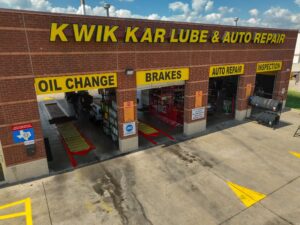
To keep your vehicle running smoothly, you need to clean the fuel system on a regular basis. This isn't just some optional tune-up; it's a critical maintenance task that clears out gunk like carbon deposits and contaminants from key parts like your fuel injectors, pumps, and lines. The payoff? You get that lost power back and see a nice bump in your gas mileage.
Why a Clean Fuel System Is Your Engine's Best Friend
Think of your car's fuel system as its circulatory system. It has one job: deliver a perfectly mixed and atomized spray of fuel and air from the tank to your engine’s combustion chambers. When it's clean, your engine gets the exact diet it needs to run efficiently. But over time, things get dirty. It's unavoidable.

No matter how good the gasoline is, it contains tiny amounts of sediment. Combine that with the carbon gunk that’s a natural byproduct of combustion, and you've got a recipe for buildup. This accumulation starts to create restrictions—kind of like plaque in an artery—which forces your fuel pump to work overtime and messes up that delicate fuel-to-air ratio your engine desperately needs.
The Real-World Impact on Fort Worth Drivers
Let’s put this in a local context. Picture a daily commuter driving their truck down I-30. A few months ago, merging into traffic was a breeze. Now, the truck feels hesitant and sluggish when they hit the gas. They’re also noticing that trips to the gas station are happening a lot more often. This isn't just random wear and tear; it's a classic case of a clogged fuel system. The constant stop-and-go grind in Fort Worth, mixed with stretches of highway speed, creates the perfect environment for these deposits to form and harden.
When fuel injectors get clogged, they can't spray fuel in the fine, cone-shaped mist your engine was designed for. Instead, the fuel might just drip or stream into the cylinder. This is called poor atomization, and it leads to incomplete combustion. That means:
- You lose power. Your engine isn't firing on all cylinders (so to speak), leading to that sluggish feeling.
- You waste fuel. Unburnt gasoline is just sent right out the exhaust pipe, killing your fuel economy.
- Your emissions go up. Incomplete combustion creates a lot more harmful pollutants.
A dirty fuel system isn't just an annoyance; it's a financial drain. Clogged fuel injectors can slash your fuel efficiency by as much as 20-30%. For a typical driver, that's like throwing hundreds of dollars away on gas every single year.
The Financial Drain of Neglect
That drop in efficiency hits your wallet, hard. Studies have shown that dirty fuel injectors can torpedo your mileage by up to 30% in some gasoline engines. If you drive around 15,000 miles a year and gas is hovering around $3.50 a gallon, you could be wasting an extra $200-$300 annually. When you get your fuel system cleaned, you're not just doing maintenance—you're making a smart investment in saving money at the pump. If you're interested in the bigger picture, you can discover more insights about U.S. clean energy supply chains on cleaninvestmentmonitor.org.
Ultimately, keeping your fuel system clean is about restoring the performance, reliability, and efficiency you paid for when you bought your vehicle. It ensures your car is ready for the demands of DFW roads, whether you're cruising down the Chisholm Trail Parkway or stuck in rush hour traffic.
Recognizing the Warning Signs of a Clogged System
Your car has a way of telling you when things aren't right, but it doesn't use words. It speaks a language of vibrations, sounds, and performance quirks. Learning to pick up on these signals is the first step in catching a fuel system problem before it turns into a major, wallet-draining repair.
The signs can be subtle at first, easy to brush off as just an "off day" for your vehicle. But these symptoms are direct clues that your engine isn't getting the clean, consistent fuel it needs to run its best. Heeding these early warnings lets you step in—often with a simple fix—to get your car back in shape and prevent long-term damage.
Performance Problems You Can Feel
One of the first places you’ll notice a problem is right from the driver's seat. You hit the gas to merge onto the highway, but the car just doesn't have its usual get-up-and-go. That hesitation or sluggish feeling is a classic sign of fuel starvation from a clogged system.
This is especially noticeable when the engine is working hard, like climbing a hill or carrying a full load of passengers. If you've ever felt sharp, sudden jolts while trying to speed up, you can learn more about why your car jerks when accelerating in our detailed guide. That's another textbook symptom tied directly to an inconsistent fuel supply.
A rough or shaky idle is another physical clue. When you're stopped at a traffic light, does the car vibrate more than it used to? Does the engine sound uneven or like it's sputtering? This often happens when clogged injectors deliver an imbalanced spray of fuel, causing the engine to run erratically even when you're just sitting still.
Following the Money Trail at the Gas Pump
Believe it or not, your fuel gauge is one of the best diagnostic tools you have. A sudden or even gradual drop in your miles per gallon (MPG) is often the first hard piece of evidence that something's wrong. Deposits in the system make your engine work harder, forcing it to burn more gas to produce the same amount of power.
Get in the habit of tracking your fuel economy. You can do it the old-fashioned way by resetting your trip odometer with each fill-up and doing the math, but most modern cars will track it for you.
If you see your average MPG drop by 10% or more without changing your driving habits—say, you normally get 25 MPG and now you're only getting 22—that’s a huge red flag. Your fuel system likely needs attention. That dip in efficiency means you're literally paying for those engine deposits every time you stop for gas.
Interpreting Engine Noises and Lights
Listen to your engine. A dirty fuel system can sometimes cause a "pinging" or "knocking" sound when you accelerate. That noise is actually premature fuel detonation, a condition that gets a lot worse when a bad fuel-air mixture from clogged injectors is thrown into the mix.
And then, of course, there’s the dreaded check engine light. While this light can mean hundreds of different things, many of the trouble codes point directly to the fuel and emissions systems. An OBD-II scanner can pull these codes, revealing problems like:
- Lean or rich fuel mixture codes (like P0171 or P0174), indicating a fuel-air imbalance.
- Engine misfire codes (P0300-P0308), which can be triggered by a faulty injector.
- Fuel injector circuit codes, signaling an electrical problem with a specific injector.
When your car starts showing a few of these symptoms at once—poor acceleration, worse MPG, and a rough idle—it's building a strong case for a dirty fuel system. Catching these signs early is the key to keeping your engine healthy.
Your DIY Guide to Basic Fuel System Maintenance
There's a real sense of accomplishment in taking control of your car's health. For those who don't mind getting their hands a little dirty, a few highly effective DIY jobs can keep your fuel system humming along nicely. These basic maintenance tasks are all about preventing the slow, silent buildup of gunk that eventually leads to much bigger, more expensive headaches.
We're going to focus on the two tasks that give you the most bang for your buck: using a high-quality fuel system cleaner and changing out the fuel filter. These aren't complicated engine-out overhauls, but they are absolutely crucial for the long-term health and performance of your vehicle. Get these right, and you'll likely feel a real difference in how your car drives.
Choosing and Using the Right Fuel System Cleaner
Walk into any auto parts store, and you'll be staring at a wall of bottles, all promising to work miracles on your engine. It's easy to get overwhelmed by the marketing hype, but the real secret to finding an effective cleaner comes down to one ingredient: Polyetheramine (PEA). This stuff is a potent, nitrogen-based detergent that is an absolute beast at dissolving stubborn carbon deposits from fuel injectors, intake valves, and combustion chambers.
Unlike weaker, alcohol-based cleaners that might not do much at all, PEA is the same type of powerful detergent found in TOP TIER certified gasoline. It's designed to survive the intense heat inside your engine and actively scrub away the crud that's robbing you of power and fuel efficiency. So, when you're shopping, ignore the flashy labels and just look for "PEA" on the ingredient list.
Pro Tip: Don't get caught in the "more is better" trap. Overusing fuel additives is mostly a waste of money, and in some rare cases, it could potentially interfere with sensitive fuel system sensors. Sticking to a regular schedule is what really gets results.
Using an additive couldn't be simpler. You just pour the whole bottle into your gas tank right before you fill up. This helps it mix thoroughly with the fuel, letting it circulate through the entire system as you drive. For routine upkeep, tossing in a bottle of a good PEA-based cleaner every 3,000 to 5,000 miles—or just every time you get your oil changed—is a fantastic habit.
Tackling a Fuel Filter Replacement
While additives handle the chemical cleaning, the fuel filter is your system's physical bodyguard. Its one and only job is to trap rust, dirt, and any other junk before it can get to your delicate (and expensive) fuel injectors or fuel pump. Just like a dirty air filter chokes an engine of air, a clogged fuel filter will starve it of fuel.
Now, replacing a fuel filter is definitely more involved than pouring in an additive, but it's a very doable job for a confident DIYer with the right tools. The difficulty really depends on your vehicle. On some older cars, the filter is right there on the frame rail, easy to get to. On many modern cars, however, it's integrated into the fuel pump assembly inside the gas tank—a much bigger job.
Before you even think about buying parts, you need to get your hands on your vehicle's specific repair manual. It will tell you exactly where the filter is and the proper procedure to replace it.
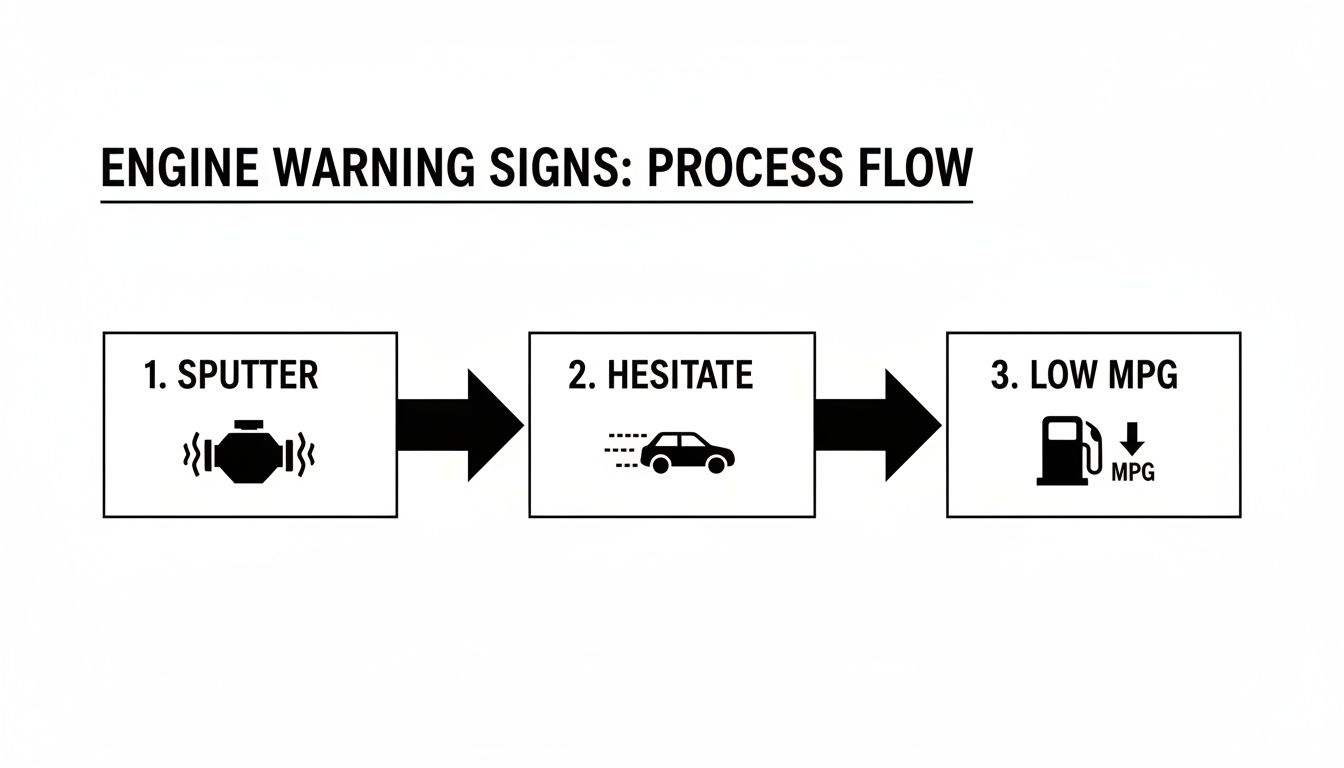
This process shows how those little warning signs—a sputter here, a hesitation there—can point directly to a clogged filter or another dirty fuel system component. Left alone, these issues often lead to bigger problems like a serious drop in your MPG.
Safety Is Non-Negotiable
Let's be clear: working with your fuel system demands your full attention and respect. Gasoline is incredibly flammable, and the fuel lines remain under high pressure even when the car is off. The single most important safety rule is to depressurize the fuel system before you disconnect a single line.
Here’s a quick rundown of the essential safety measures:
- Work in a well-ventilated area. Never, ever do this work in a closed garage where fumes can build up.
- No sparks or flames nearby. Keep all ignition sources far away. That means no cigarettes, no pilot lights from water heaters, and no power tools that can spark.
- Gear up. Always wear safety glasses and fuel-resistant gloves. You do not want gasoline in your eyes or on your skin.
- Depressurize the system. This is mandatory. The method changes from car to car, but it usually involves disabling the fuel pump (by pulling a fuse or relay) and running the engine until it dies. You must follow the specific instructions in your repair manual.
- Have a fire extinguisher ready. Keep a Class B or ABC fire extinguisher within arm's reach. Just in case.
If you read through the procedure for your car and feel even a little bit hesitant, that's your cue to let a professional handle it. There is absolutely no shame in knowing your limits, especially when safety is on the line. At Kwik Kar, our technicians have the right training and tools to swap out a fuel filter safely and get you back on the road.
When to Trust the Professionals for a Deeper Clean
Fuel additives and filter swaps are great for regular maintenance—think of them as your first line of defense against gunk. But let’s be real, there comes a time when a bottle of cleaner just won't cut it. After tens of thousands of miles, you’re dealing with stubborn, baked-on deposits that basic DIY methods can't touch. That's when you need to call in the pros.
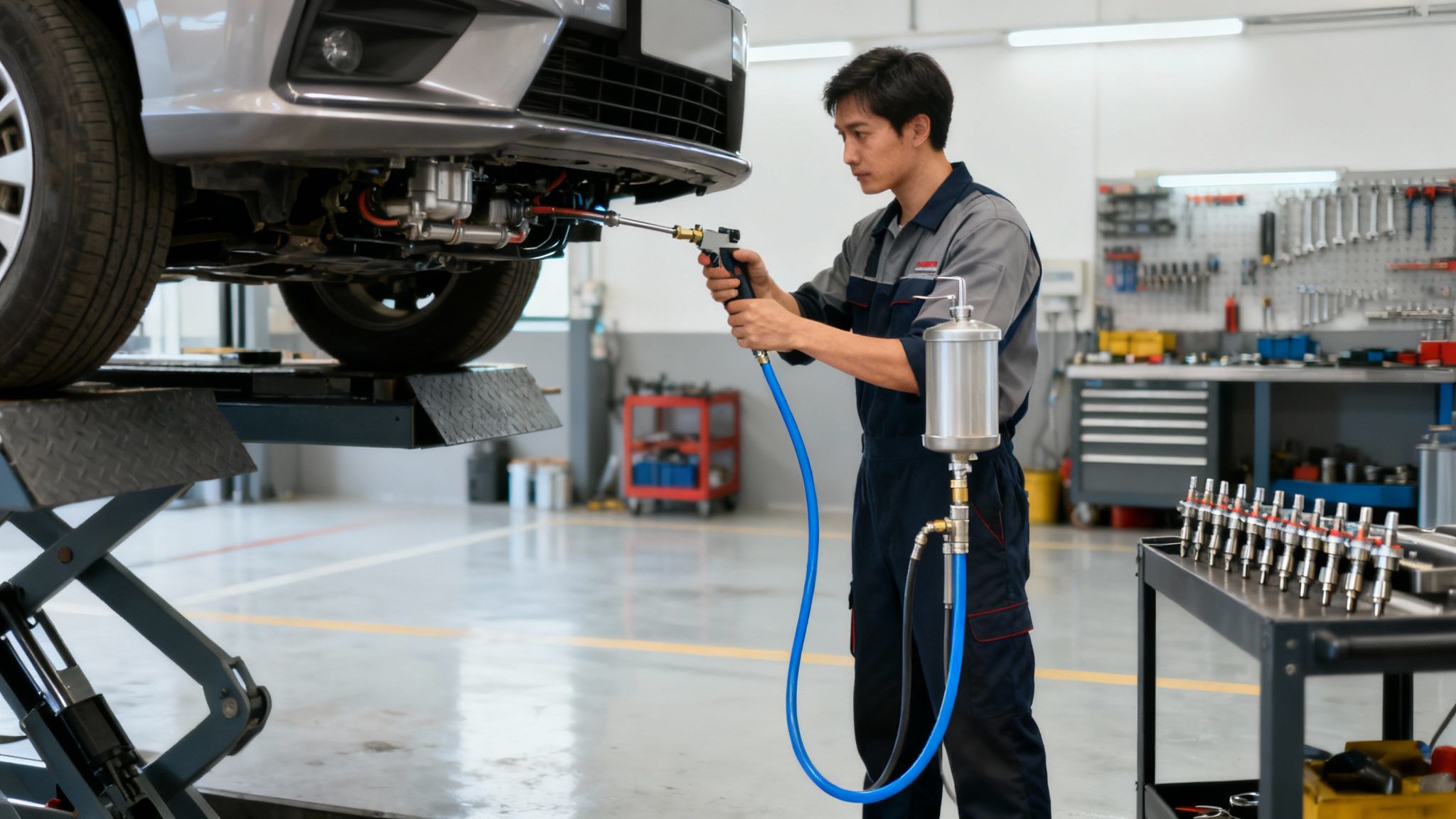
It’s like brushing your teeth versus getting a deep cleaning from the dentist. Both are important, but they accomplish very different things. If you've tried the basics and you're still fighting a persistent check engine light, rough idling, or terrible gas mileage, your engine is telling you it needs something more.
Advanced Cleaning Services Your Garage Can’t Match
At a professional shop like Kwik Kar, we have specialized equipment designed to aggressively scrub your engine’s internals clean in a way that’s just not possible at home without a major teardown.
Here are a few of the heavy-hitters:
- Pressurized Fuel Injector Cleaning: We don't just pour something in your tank. A technician will disconnect your car's fuel line and hook up a machine that forces a powerful, concentrated solvent directly through the fuel rail and injectors. This process blasts away hardened carbon, restoring that fine, cone-shaped mist your engine needs for peak performance.
- Throttle Body Service: The throttle body is the gateway for air entering your engine. It gets coated in a sticky film of oil and carbon over time, leading to a rough idle or stalling. We’ll carefully clean the throttle plate and bore with professional-grade solvents and then perform a relearn procedure so your car’s computer adjusts to the clean, unrestricted airflow.
- Intake Valve Cleaning (Walnut Blasting): This is absolutely critical for modern Gasoline Direct Injection (GDI) engines. Because fuel is injected straight into the cylinder, it never washes over the intake valves. This allows thick, rock-hard carbon to build up, choking the engine. The fix is a process called walnut blasting, where we shoot crushed walnut shells at high pressure to scrub the valves clean without harming the metal.
The decision to see a pro often boils down to one simple question: are things getting better? If you've tried the DIY route and your car is still sluggish or that check engine light won't go away, you're past the point of simple maintenance. You need professional tools to clean the fuel system right.
The Right Tool for the Job: DIY vs. Professional Cleaning
Deciding between a quick at-home fix and a professional service can be tough. This table breaks down what to expect from each approach so you can make the right call for your vehicle and your budget.
| Service | Best For | Estimated Cost | Complexity Level |
|---|---|---|---|
| DIY Fuel Additives | Routine maintenance, preventing minor buildup | $10 – $25 | Low |
| DIY Fuel Filter Replacement | Basic upkeep, improving fuel flow | $20 – $80 | Moderate |
| Professional Injector Cleaning | Restoring lost power and fuel economy | $100 – $300 | High (Requires specialized equipment) |
| Professional Intake Cleaning | Addressing severe carbon buildup, especially on GDI engines | $300 – $700+ | High (Requires specialized equipment and expertise) |
Ultimately, DIY methods are fantastic for keeping a healthy engine healthy. But when you’re trying to solve an existing problem, professional services deliver the targeted, powerful cleaning needed to restore your engine's performance.
Scenarios That Demand an Expert Technician
Sometimes your car whispers, and other times it screams for professional help. A high-mileage vehicle, for example, is always a prime candidate. A truck with 100,000 miles has seen a lot of fuel and even more combustion cycles—significant carbon buildup is practically a guarantee. Trying to fix that with a bottle of cleaner is like trying to put out a house fire with a squirt gun.
For the more than 250 million gas-powered vehicles on U.S. roads, a clean fuel system is non-negotiable. It prevents the 10-15% drop in power that clogged injectors can cause. For Fort Worth drivers who rely on their trucks, this service is a game-changer, potentially adding thousands of miles to an engine's life while cutting down on repair bills. If you're interested in the broader automotive world, you can learn about related clean energy investment trends on carboncredits.com.
Another big red flag? A failed emissions test. If your vehicle can't pass smog, it's often because a dirty fuel system is throwing off the air-fuel ratio. A professional cleaning can restore that balance, lower your emissions, and get you back on the road legally.
Why ASE-Certified Technicians Make the Difference
When you bring your vehicle to Kwik Kar, you’re not just getting a service; you're getting expertise. Our technicians are ASE-certified, meaning they’ve passed rigorous tests and proven they understand complex automotive systems inside and out.
They know how to tell if a rough idle is from a dirty injector or a bad sensor, saving you money on parts you don't need. They have access to professional diagnostic scanners, manufacturer service bulletins, and the real-world experience to do the job safely. For something as intricate as walnut blasting, that skill isn't just a nice-to-have—it's essential.
Building a Long-Term Fuel System Health Plan
When it comes to your car, an ounce of prevention is truly worth a pound of cure. Proactive care is always cheaper and less of a headache than dealing with a breakdown. Instead of waiting for rough idling or a check engine light to appear, creating a simple maintenance schedule will keep your fuel system humming for the long haul.
This isn't about some complicated, time-consuming overhaul. It's about building smart, consistent habits that stop expensive problems before they ever start. Think of it as a roadmap to fewer repairs and more worry-free miles on Fort Worth roads.
Establishing Your Maintenance Cadence
There’s no "one-size-fits-all" schedule for fuel system maintenance. A work truck hauling heavy loads around town has very different needs than a sedan that only sees a short daily commute. The key is to tailor a plan to your vehicle’s mileage and how you actually drive it.
Here’s a practical, tiered approach we recommend to our customers:
- Every Oil Change (3,000-5,000 Miles): This is the perfect time to add a high-quality PEA-based fuel system cleaner to your tank. Just pour a bottle in right before you fill up. It’s a simple step that helps dissolve minor carbon deposits before they can build up and cause real trouble.
- Every 30,000 Miles: Plan on getting your fuel filter inspected and, more than likely, replaced. That little filter is the main line of defense against dirt and debris, and a fresh one is critical for maintaining healthy fuel flow.
- Every 60,000 Miles: It's time to seriously consider a professional fuel system service. By this point, especially in GDI engines, stubborn deposits have likely formed that fuel additives just can't touch. A professional cleaning is the only way to truly restore that lost performance and efficiency.
The goal isn’t to add another chore to your to-do list. It’s about integrating these small, preventative steps into your existing routine. Tying these tasks to your regular oil changes makes it an easy habit to stick with.
Insider Tips for Fuel System Longevity
Beyond the scheduled stuff, a few daily habits can make a huge difference in the health of your fuel system. These small adjustments cost you nothing but can help you dodge some of the most common—and expensive—repairs we see.
Choose Your Fuel Wisely
When you can, always fill up with TOP TIER certified gasoline. It’s not just marketing hype. These fuels contain a higher concentration of quality detergents, like PEA, that actively work to prevent deposits from forming in the first place. It’s one of the simplest ways to help clean the fuel system with every tank.
Avoid Running on Fumes
Your fuel pump sits submerged in gasoline, which is what keeps it cool. When you constantly drive with the fuel light on, the pump is exposed to air and can overheat, leading to premature failure. Worse, running the tank that low allows the pump to suck up any rust or sediment that has settled at the very bottom, sending that gunk straight to your fuel filter and injectors.
Keeping your tank at least a quarter full is a simple but effective way to protect these critical components. For a broader look at vehicle upkeep, check out our guide on creating a preventive maintenance checklist template.
Your Go-To Fuel System Experts in Fort Worth
While this guide gives you a solid game plan for tackling fuel system maintenance at home, some jobs just need a professional touch and the right equipment. When you’ve gone as far as you can in your own garage, that's where we come in.
Our Kwik Kar team on White Settlement Road is here for those times when only a pro will do. We’ve walked through how to clean a fuel system, and trust me, we have the tools and experience to get the job done right.
We don’t believe in guesswork. Our ASE-certified technicians pair their expertise with advanced diagnostic tools to find the real source of the problem and fix it correctly the first time. You get honest, effective service—no upselling, no unnecessary parts, just quality work that lets you drive away with confidence.
Your Trusted Fort Worth Auto Shop
We see the results of neglected fuel systems every single day. From sputtering engines that barely make it into the bay to cars that just failed an emissions test, we've handled it all. Our techs know Fort Worth driving—that stop-and-go traffic on I-30 creates a specific kind of carbon buildup that we're experts at clearing out.
Whether you're driving a high-mileage work truck or the family SUV, we give it the same meticulous attention.
When you bring your car to Kwik Kar, you’re not just a work order; you're our neighbor. We’re here to build lasting relationships based on trust and results you can count on.
If you’re noticing the tell-tale signs of a dirty system or it's just time for a professional deep clean, come see what a difference expert care makes. You can learn more about our top-tier fuel system service in Fort Worth and schedule a visit with our specialists. Let us get your vehicle’s performance back to where it should be.
Fuel System FAQs
Even after you've read up on the basics, there are always a few specific questions that come up. Let's tackle some of the most common ones we hear from drivers here in Fort Worth who want to get the most out of their vehicle's fuel system.
How Often Should I Really Use a Fuel System Additive?
This is a great question. For most cars on the road today, a good rule of thumb is to run a quality fuel injector cleaner with Polyetheramine (PEA) through the tank every 3,000 to 5,000 miles. A lot of our customers just time it with their regular oil change, which is a perfect way to make it a habit.
Now, if your daily commute is mostly stop-and-go city traffic or you tend to fill up at bargain gas stations, you might want to do it a little more often.
Just be sure to check your owner's manual first. More isn't always better here. Overdoing it with certain additives can potentially mess with sensitive components like oxygen sensors over time. The key is consistent maintenance to clean the fuel system, not flooding it with chemicals.
Is a Professional Fuel System Cleaning Actually Worth the Money?
Absolutely, especially once your car starts getting up there in mileage—think 75,000 miles or more. It's also a no-brainer if you're already noticing problems like a shaky idle or your gas mileage taking a nosedive. Think of additives as daily maintenance, but a professional service is like a deep-cleaning restoration.
At a shop like Kwik Kar, we bring out the heavy-duty equipment. We use pressurized tools to literally blast away the stubborn, baked-on carbon deposits that those little bottles from the auto parts store just can't touch. This service can bring back lost horsepower and fuel efficiency, often paying for itself in what you save at the pump.
Can a Clogged Fuel Filter Really Stop My Car from Starting?
Yes, it definitely can. If a fuel filter gets completely clogged, it can choke off the fuel supply so much that the engine just won't have enough gas to fire up. It’s the filter’s job to trap gunk, but if it gets totally saturated, nothing gets through.
This is a worst-case scenario, of course, but it highlights why we say replacing the filter is a critical maintenance item, not just a friendly suggestion.
What's the Difference Between an Injector Cleaning and an Induction Service?
It’s easy to get these two mixed up, but they clean different parts of your engine.
- Fuel Injector Cleaning focuses like a laser on the injectors themselves. It clears out the tiny nozzles to make sure they're spraying fuel in a perfect, fine mist like they're supposed to.
- An Induction Service is all about the air intake. It cleans the gunk out of your throttle body, intake manifold, and the backs of your intake valves.
Both are vital for a healthy engine. Modern direct injection (GDI) engines are especially known for needing induction services. Since fuel is sprayed directly into the cylinder, it never washes over the intake valves, letting nasty carbon deposits build up and restrict airflow.
When the bottled solutions just aren't cutting it anymore, you can trust the pros at Kwik Kar Oil Change and Auto Care. Our ASE-certified technicians have the right tools and the hands-on experience to figure out exactly what’s going on with your fuel system and get your vehicle running at its best again. Schedule your service online today.