


When it comes to car care, you’re always facing a choice between two very different paths: preventive maintenance and reactive maintenance. At its heart, the difference is about timing. Are you going to be proactive and service your car to prevent problems, or are you going to be reactive and only fix things once they’ve already broken?
Understanding Your Two Core Maintenance Choices

The maintenance strategy you pick is one of the biggest decisions you'll make as a car owner. It has a direct impact on your wallet, your safety on the road, and how long your vehicle will last. It’s a lot like how you manage your own health—you can schedule regular check-ups to stay ahead of issues, or you can wait until you’re already sick to finally see a doctor.
Defining the Approaches
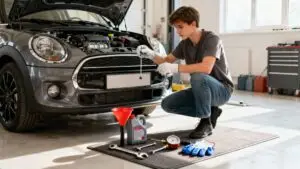
Preventive maintenance is all about staying ahead of the game. It’s a strategy built around a consistent schedule, including routine services like oil changes, tire rotations, and brake inspections done at specific mileage markers or time intervals. The entire point is to keep your car running in peak condition and head off major failures before they ever have a chance to happen. It’s about being in control.
On the other hand, reactive maintenance is what happens when a problem forces you to the shop. This "run-to-failure" approach means you only deal with issues after they’ve made themselves known—a weird noise from the engine, a new warning light on the dash, or a complete breakdown on the side of the road. It might feel like you're saving money in the short term, but this path often leads to much bigger, more expensive, and far more stressful repairs.
The core trade-off is clear: preventive maintenance requires small, planned investments to avoid large, unexpected expenses, while reactive maintenance defers all costs until a failure forces your hand.
Quick Comparison: Preventive vs. Reactive
To get a better sense of how these two approaches really measure up, here’s a quick breakdown of their key differences:
| Feature | Preventive Maintenance (Proactive) | Reactive Maintenance (Reactive) |
|---|---|---|
| Timing | Scheduled based on time or mileage | Unscheduled, occurs upon failure |
| Cost | Predictable, smaller, regular payments | Unpredictable, often large, lump-sum costs |
| Downtime | Minimal and planned | Significant and unplanned |
| Safety | High, as potential issues are caught early | Lower, as failures can happen on the road |
| Vehicle Lifespan | Extended through consistent care | Shortened due to stress and major failures |
While this table gives you a good snapshot, there’s always more to the story. For a really detailed breakdown of how these strategies affect your car's uptime and your wallet, check out this practical guide to preventive vs reactive maintenance. And if you're just getting started with all this, our guide on car maintenance for beginners is a great place to build a solid foundation.
The True Financial Impact Of Your Maintenance Strategy

Choosing between staying on top of maintenance or waiting until something breaks isn't just a difference in philosophy—it's a financial decision that echoes for years. It might feel like you’re saving a few bucks by skipping a scheduled service, but that short-term gain often sets you up for a much bigger, non-negotiable repair bill down the road. The real cost of your approach goes way beyond a single invoice; it includes emergency tows, stressful downtime, and a faster drop in your car’s value.
Following a reactive, or "run-to-failure," strategy means living with total financial guesswork. You simply never know when a part will give out or how much damage it will do when it goes. This path is littered with expensive surprises, from paying for a tow truck to facing premium charges for a last-minute repair and rush-ordered parts.
On the other hand, a preventive strategy makes your car costs predictable and manageable. Those smaller, regular investments in services like fluid top-offs and brake inspections become part of your budget, not a financial emergency. This proactive care stops the domino effect where one failed part takes down several others, protecting you from catastrophic failures like a blown engine or a seized transmission.
Calculating The Snowball Effect Of Reactive Repairs
That financial gap between the two strategies gets wider and wider the longer you own your car. Let’s take a simple, often-ignored part: a worn serpentine belt. Ignoring the warning signs leads to a sudden breakdown, which could leave you stranded and facing a tow bill. But it gets worse. That snapped belt can damage connected components like your water pump or alternator, turning a simple, cheap fix into a complex repair costing hundreds more.
The numbers don't lie. The cost difference between preventive maintenance vs reactive maintenance is huge, with proactive care saving businesses between 12% to 18% on average. Some studies even show that a reactive approach can end up costing 3 to 5 times more over the life of a vehicle when you factor in all the collateral damage and downtime.
For drivers right here in Fort Worth, that means every dollar you put into preventive care can save you around $5 in future repair costs—a massive return on your investment. If you want to dive deeper into the data, you can check out this detailed maintenance strategy comparison.
The core financial difference is simple: Preventive maintenance lets you control your budget with planned expenses. Reactive maintenance lets your car's unexpected failures control it for you.
To see how this plays out with real-world numbers, let's look at a few common scenarios. The table below breaks down the costs for typical automotive issues, showing just how much you can save by being proactive.
Cost Comparison Preventive vs Reactive Maintenance Scenarios
| Vehicle Issue | Preventive Action & Estimated Cost | Reactive Consequence & Estimated Cost | Potential Savings |
|---|---|---|---|
| Engine Oil | Regular Oil Change: $75 – $125 | Engine Seizure & Replacement: $4,000 – $8,000+ | $3,875+ |
| Brake Pads | Pad Replacement: $250 – $400 | Damaged Rotors & Calipers: $700 – $1,200+ | $450+ |
| Timing Belt | Scheduled Replacement: $500 – $1,000 | Snapped Belt & Engine Damage: $2,500 – $5,000+ | $2,000+ |
These numbers paint a very clear picture. The small, consistent cost of getting a preventive service at a trusted shop like Kwik Kar is an investment that pays for itself many times over. It's the smartest way to avoid the financial chaos and stress of a major, unexpected breakdown.
Why Proven Industries Run On Preventive Care
The discussion around preventive vs. reactive maintenance isn't just for car owners—it’s a fundamental strategy for the world's most successful industries. From aviation to manufacturing, high-stakes businesses simply can't afford to wait for critical equipment to fail. They operate on a powerful principle: proactive care is the only way to guarantee safety, maximize uptime, and keep costs under control.
Just think about it. You would never get on a plane that only gets serviced after an engine sputters. The exact same logic applies to your vehicle. When you start treating your car like a critical asset, just as a factory manager does with their machinery, you ensure it stays reliable and avoids those disastrous, expensive failures.
The Industrial Blueprint for Vehicle Reliability
The data from major industries gives us a clear roadmap for success. In these sectors, a single hour of unplanned downtime can cost millions, and efficiency is directly tied to the bottom line. It’s no surprise that their overwhelming consensus is that a proactive approach is non-negotiable.
This isn't just a preference; it's a proven operational standard. Industry data shows that 88% of manufacturing companies now rely on preventive maintenance as a core part of their strategy. The reasons are obvious: over 60% of these companies directly link this approach to better productivity and far less downtime. By following this model, you aren't being upsold on services you don't need—you're aligning your car's care with a globally recognized best practice.
For a fleet manager, a vehicle breakdown isn't a small inconvenience; it's a direct hit to the bottom line from lost revenue and emergency repair bills. This is why businesses overwhelmingly choose predictable, scheduled maintenance.
This industrial mindset translates perfectly to your own car here in Fort Worth. A scheduled brake inspection at Kwik Kar is based on the same logic as a pre-flight check on an airplane. It’s all about finding and fixing small issues before they become dangerous and costly emergencies on the road.
Managing Your Car Like a Critical Asset
You can see the real financial impact of a good maintenance strategy in how organizations apply IT asset management best practices, which helps them optimize costs and extend the life of their equipment through proactive care. Adopting this mindset means you stop seeing routine oil changes and tire rotations as a chore. Instead, you start viewing them as smart investments in your car's future value and dependability.
This approach offers clear benefits for every kind of driver:
- For the Budget-Conscious Driver: A preventive plan turns unpredictable, high-cost emergency repairs into manageable, budgeted expenses. You get to avoid the premium prices for rush jobs and overtime labor that always come with a sudden breakdown.
- For the Fleet Manager: Proactive maintenance is the key to business continuity. It stabilizes your operational budget, cuts down on vehicle downtime, and keeps your fleet on the road generating revenue.
- For Every Driver: It simply provides peace of mind. Knowing your vehicle has been professionally inspected and serviced means you can trust it to get you and your family safely where you need to go.
In the end, all the data and industrial practices point to one simple conclusion. Whether you're managing a global supply chain or just your daily commute, the principles of asset management are universal. Choosing preventive care means you are actively protecting your investment, your budget, and your safety by following a model that has been proven to work time and time again.
Of course. Here is the rewritten section, crafted to sound like a human expert and match the provided examples.
The Hidden Dangers Of A Reactive Approach
It might feel like you're saving a few bucks by skipping routine check-ups, but the real cost of a "fix-it-when-it-breaks" approach goes far beyond your wallet. Relying on reactive maintenance introduces serious, often overlooked, risks to your safety. It effectively turns your reliable car into a gamble every time you start the engine.
This mindset creates a false sense of security. While you might think you're avoiding the shop, you're actually letting critical components wear down silently in the background. Small problems that a mechanic would catch in a heartbeat are left to worsen, eventually becoming major failures that don’t give you a polite heads-up before they strike.
From Minor Neglect To Catastrophic Failure
Picture this: you're cruising down the highway, and suddenly your brake pedal sinks to the floor. What started as worn brake pads—an easy and affordable fix—has now snowballed into a total brake system failure because the worn-out pads destroyed the rotors and calipers. This isn't an exaggeration; it's the reality of reactive maintenance.
Likewise, an engine that seizes up out of the blue is rarely a random event. It's the disastrous end result of running on old, sludgy oil that can no longer properly lubricate or cool your engine's moving parts. These aren't just frustrating breakdowns; they are genuine emergencies that endanger you, your passengers, and everyone else on the road.
The core danger of a reactive approach is that it puts you in a constant state of uncertainty. You are no longer in control of your vehicle's condition; you are simply waiting for the next failure to occur, hoping it doesn't happen at the worst possible time.
The consequences of this strategy are well-known. Research shows that operations relying heavily on reactive maintenance suffer from significantly higher costs and downtime. For instance, businesses that kept reactive maintenance below 23% of their total service performed far better than those who didn't. The latter group experienced 52.7% more unplanned downtime and 78.5% more operational defects. For an everyday driver, this translates directly to more sudden breakdowns and serious safety hazards. You can read the full research on maintenance performance to see why a proactive approach always comes out on top.
The Domino Effect Of Unplanned Breakdowns
A reactive strategy rarely results in just a single problem. More often, it triggers a cascade of issues that can compromise your car’s overall health and shorten its lifespan. When one part fails unexpectedly, it puts a massive amount of stress on other connected systems.
Just think about these common scenarios:
- A Failed Alternator: A preventive check might spot a worn alternator belt. A reactive approach waits for it to snap, which doesn't just stall your engine—it can also wreck other pulleys and components in the process.
- A Leaking Radiator Hose: A small, unnoticed leak eventually causes the engine to overheat. This can lead to warped cylinder heads or a blown head gasket, turning a simple hose replacement into a multi-thousand-dollar engine rebuild.
This vicious cycle of stress and major failures takes a serious toll on your vehicle's longevity. In contrast, the preventive inspections we perform at Kwik Kar are designed to stop these problems in their tracks. Our ASE-certified experts can identify worn parts and potential leaks long before they become a dangerous on-road emergency, protecting both your wallet and your well-being. This changes maintenance from just another expense into a crucial investment in your personal safety and your car's reliability.
Choosing The Right Maintenance Strategy For You
Deciding between preventive and reactive maintenance isn't a one-size-fits-all call. The right strategy really comes down to your driving habits, the kind of car you have, and what matters most to you. What works perfectly for a daily commuter could be a disastrous choice for a small business owner whose vehicles are their livelihood.
To help you land on the right approach, let's look at a few common driver profiles. See which one sounds the most like you to figure out the best way to protect your car, your wallet, and your time.
This simple decision aid is a great place to start. If you notice anything unusual with your car, the best first step is always to get it checked out by a professional.

The flowchart here nails the most basic rule of thumb: never ignore strange sounds or signs. They're often the first warning that a bigger problem is just around the corner.
The Daily Commuter
You count on your car for a predictable, steady routine—getting to work, picking up groceries, and managing your daily schedule. For you, it's all about reliability. A surprise breakdown isn't just an inconvenience; it's a major disruption that can throw your whole day off track.
- Your Biggest Risk: Unplanned downtime. A car that refuses to start in the morning creates instant chaos, from missed meetings to scrambling for a ride.
- Recommended Strategy: Preventive Maintenance. A consistent service schedule is your best defense, ensuring your vehicle is ready to go when you are. Following a plan based on your car's mileage is the single most effective way to guarantee that reliability. You can learn more about what that looks like in our guide to car maintenance by mileage.
For the daily driver, the small, planned cost of proactive care is a smart investment against the massive headache and unexpected expense of a breakdown. That peace of mind is priceless.
The High-Mileage Road Warrior
You spend a lot of your life on the road, whether it's for sales trips or just a love of travel. Your vehicle racks up miles fast, which puts accelerated wear on everything from the engine to your tires and suspension. Your main goal is to maximize your car's longevity and safety.
- Your Biggest Risk: Rapid wear and tear leading to a premature, catastrophic failure far from home. Breaking down hundreds of miles away is not only expensive but can be genuinely dangerous.
- Recommended Strategy: Aggressive Preventive Maintenance. You simply can't follow the average driver's service schedule. Frequent fluid checks, tire rotations, and comprehensive inspections are non-negotiable to keep your high-use vehicle safe and extend its life on the road.
The Owner Of An Aging Vehicle
You’ve got an older car that's paid off and still serves you well. It might have a few quirks, but your priority is keeping it running safely and reliably without pouring a fortune into it. It’s a constant balance between cost-effectiveness and safety.
- Your Biggest Risk: A major component failure, like the transmission or engine, that costs more to fix than the vehicle is actually worth.
- Recommended Strategy: A Hybrid Approach. Get serious about a preventive plan for critical safety systems—think brakes, tires, and engine oil. For non-critical things like cosmetic issues or a finicky accessory, you can afford to be more reactive and fix them as they break to save money.
The Small Business Fleet Owner
Your vehicles are your business. Whether you're running a delivery service or a sales team, every hour a vehicle sits in the shop is an hour of lost revenue. Your absolute top priority is maximizing uptime and budget predictability.
- Your Biggest Risk: Unplanned downtime and liability. A single vehicle failure can grind operations to a halt, damage your reputation, and create serious safety risks for your employees.
- Recommended Strategy: Strict Preventive Maintenance. A reactive, "fix-it-when-it-breaks" approach is simply not a viable option for a business. Implementing a rigorous, scheduled maintenance program across your entire fleet is the only way to minimize surprises, control costs, and keep your business running smoothly.
Building Your Preventive Maintenance Action Plan

Alright, so you understand why preventive maintenance is so important. Now, let’s get practical and build a plan that actually works for your car and your wallet. The point isn't to turn you into a master mechanic overnight.
It’s all about creating a simple, manageable routine of checks and services. A good plan takes the guesswork out of car care, putting you in control and giving you real peace of mind on the road.
A Foundational Maintenance Schedule
Your owner’s manual is the best source for your vehicle's specific needs, but a general timeline based on mileage is a fantastic starting point for anyone. Following a consistent schedule is the heart and soul of any smart preventive maintenance strategy.
Here’s a simple schedule that covers the absolute essentials:
Every 5,000 to 7,500 Miles:
- Oil and Filter Change: This is non-negotiable. Fresh oil is the lifeblood of your engine, providing vital lubrication that prevents premature wear and catastrophic failure.
- Tire Rotation: Rotating your tires helps them wear down evenly, which means they’ll last longer and give you better, safer handling.
Every 15,000 to 30,000 Miles:
- Brake Inspection: Have a technician inspect your brake pads, rotors, and fluid. Finding wear early saves you from much more expensive damage and, most importantly, ensures your car can stop when you need it to.
- Engine Air Filter Replacement: Your engine needs to breathe. A clean filter boosts performance and fuel efficiency by keeping the air supply clean.
Every 30,000 to 60,000 Miles:
- Battery Check and Fluid Flushes: It’s time to test your battery’s health and replace key fluids like your transmission fluid, brake fluid, and coolant to keep those systems from failing. To make it even easier, you can use our comprehensive preventive maintenance checklist template to keep track of everything.
The real difference between preventive and reactive maintenance comes down to control. Proactive care puts you on a predictable timeline, letting you schedule service on your terms—not because a sudden breakdown forced you to.
Recognizing Early Warning Signs
Even with the best plan, your car will talk to you. Learning to listen for those little clues is your best defense against a full-blown crisis. Think of these as your vehicle’s way of asking for a little help before a small problem becomes a major headache.
Keep an eye (and an ear) out for these signs that it's time for a professional check-up:
- New or Unusual Noises: Squealing brakes, a clunking sound from the suspension, or a whining engine are never good signs. Don't ignore them.
- Dashboard Warning Lights: If that check engine, battery, or oil pressure light comes on, your car is telling you something needs immediate attention.
- Changes in Performance: Have you noticed a sudden drop in gas mileage? Is your car slow to accelerate or idling rough? These are clear signs of a problem.
- Visible Leaks: Puddles of red, green, or dark brown fluid underneath your car mean something is leaking and needs to be fixed right away.
Catching these signs early is what separates a minor fix from a reactive disaster. When you bring your car to Kwik Kar, our ASE-certified technicians can diagnose these symptoms with precision, giving you clear explanations and honest repair options. Scheduling a simple inspection is the easiest first step to protecting your investment for years to come.
Frequently Asked Questions
When it comes to car care, the preventive vs. reactive maintenance debate can be confusing. We get a lot of questions from drivers trying to figure out what’s truly best for their car and their budget. To help clear things up, here are answers to some of the most common questions we hear at the shop.
Is Preventive Maintenance Worth It for My High-Mileage Car?
That’s a great question, and the answer is a definite yes. In fact, keeping up with preventive care is even more important for a vehicle with a lot of miles on the clock. As a car ages, its parts are naturally more worn, making it more vulnerable to sudden failures.
A consistent maintenance schedule is your best defense, allowing you to catch things like a worn-out belt, a brittle hose, or aging fluids before they leave you stranded. It might feel strange to keep investing in an older car, but that proactive care is precisely what keeps it dependable for thousands of miles more. You’re not just spending money; you’re protecting a valuable asset you rely on every day.
How Often Do I Really Need a Professional Inspection?
Your owner’s manual is a great starting point, but a good rule of thumb is to get a professional look-over at least once a year or every 12,000–15,000 miles. Of course, that can change depending on how you drive.
You should think about getting more frequent inspections if you:
- Spend a lot of time in stop-and-go city traffic.
- Often tow heavy loads or drive in extreme heat or cold.
- Have a vehicle that’s over seven years old or has more than 100,000 miles.
A trained eye from an ASE-certified technician can spot underlying issues that just aren't visible during a quick oil change.
The point of an inspection isn't to rack up a repair bill. It’s to confirm your vehicle is safe and to head off small issues before they become dangerous and expensive emergencies. That peace of mind is worth the small investment.
Can I Do Some Maintenance Myself to Save Money?
Absolutely! Getting your hands dirty with a few basic checks is a fantastic way to understand your vehicle's condition better and save a bit of cash. Simple, regular checks can help you notice a problem long before it gets serious.
Some great DIY-friendly tasks include:
- Checking your engine oil level and color.
- Topping off windshield washer fluid.
- Inspecting tire pressure and looking at the tread depth.
- Visually checking belts and hoses for any obvious cracks or fraying.
The key is knowing where to draw the line. Things like brake jobs, transmission fluid flushes, and timing belt replacements are complex and require specialized tools and expertise. For those critical systems, trusting a professional is the safest and most cost-effective choice in the long run.
Ready to build a smart, proactive maintenance plan that fits your vehicle and driving style? The team at Kwik Kar Oil Change and Auto Care is here to help. Our certified technicians provide honest advice and reliable service to keep you safe on the road, from comprehensive inspections to expert repairs. Schedule your appointment today to get started.